01
A bush dinner under the Milky Way
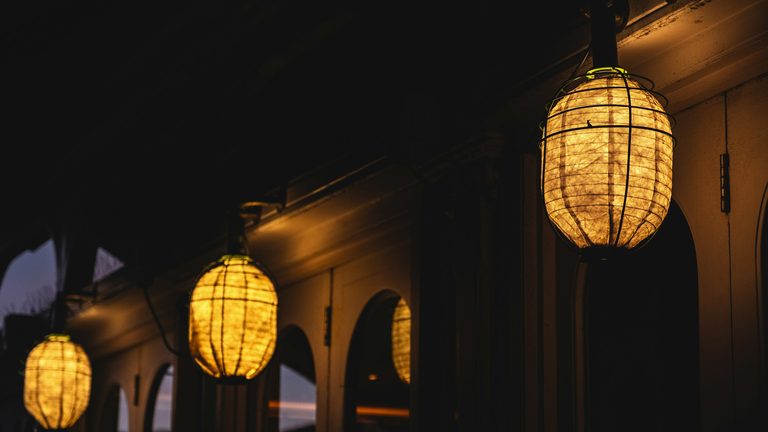
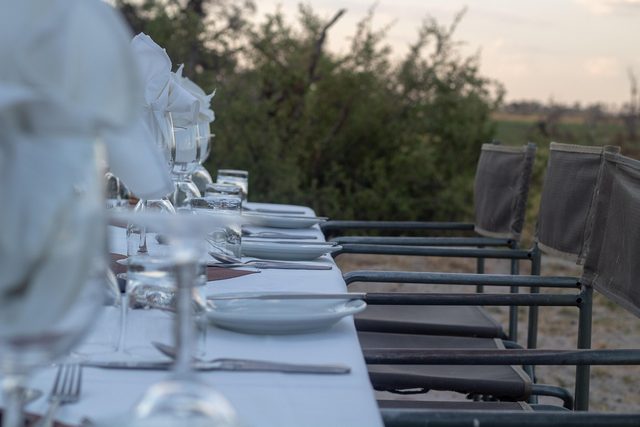
A table set in the savannah at dusk — open fire, hurricane lamps, wildlife at the edge of the light.
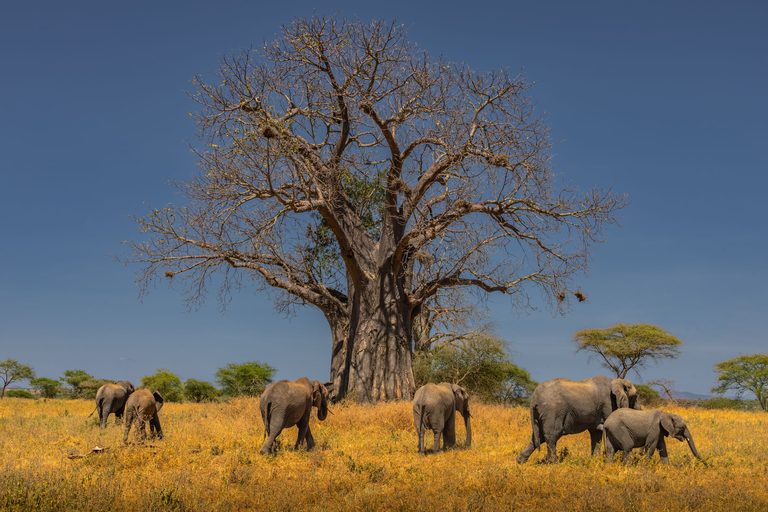
The savannah at dawn with no other vehicle in sight, a bush dinner beneath the Milky Way, and a camp that is yours alone.
A great safari is measured not in animals seen but in moments earned — the plains holding their breath before the light. Privacy is what turns sightings into memory.
What an advisor can open that an algorithm cannot. Each of these is staged on your terms — the access, the timing, the people.
A table set in the savannah at dusk — open fire, hurricane lamps, wildlife at the edge of the light.
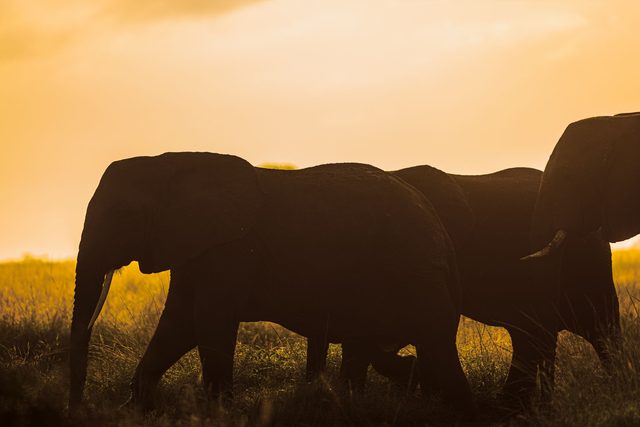
A guide who has tracked the same family for a decade — and the permission to follow them off-road.
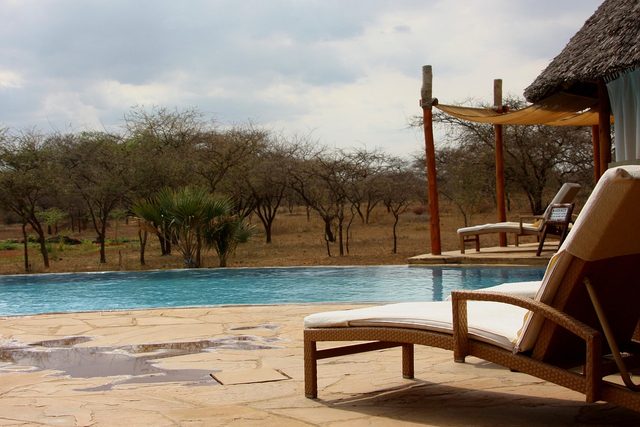
A six-tent bush camp taken in full — your own staff, your own schedule, no game vehicle in sight but your own.
Not packages — points of departure. Find the journey that already feels like yours; your advisor reshapes it entirely around you.
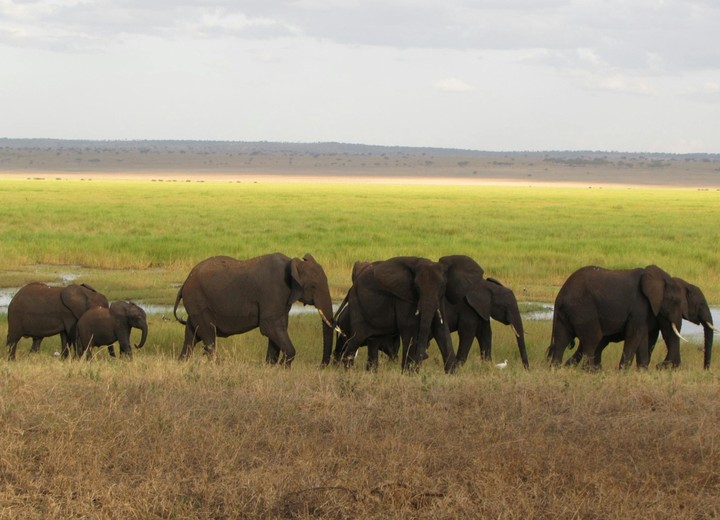
Exclusive-use camps and private guiding — the Big Five for every age.
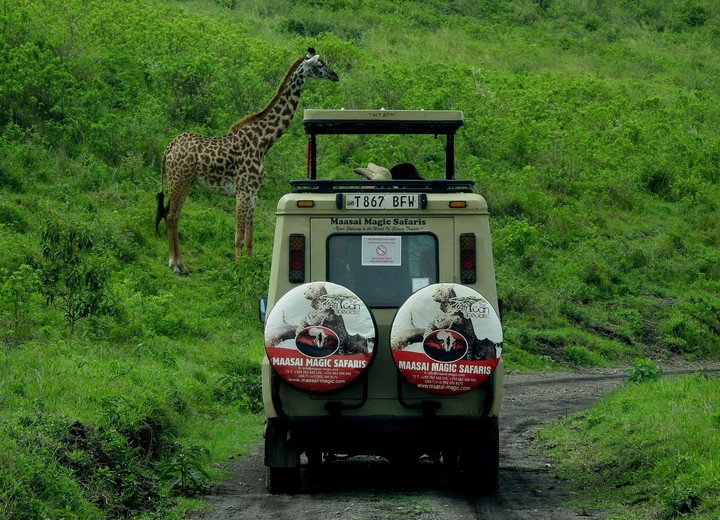
The thrill of the plains and the stillness of the Indian Ocean.
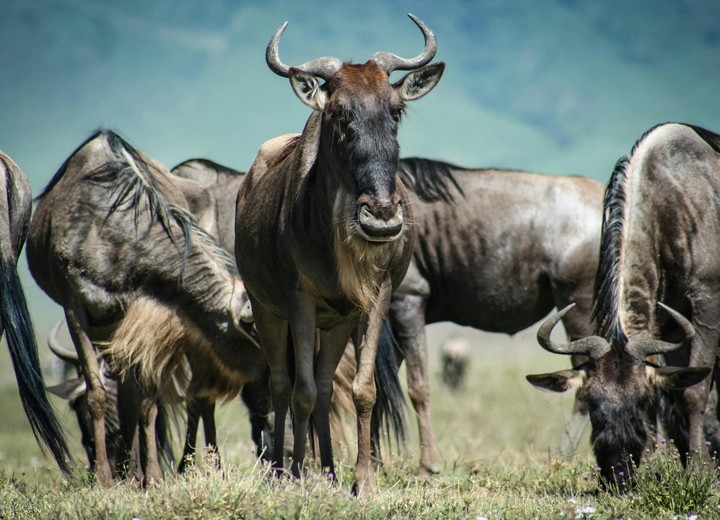
Time with researchers and anti-poaching teams — a safari with meaning.
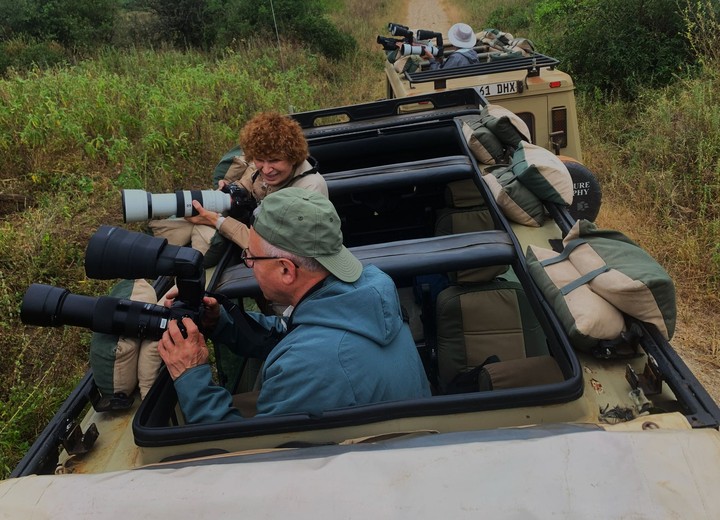
Specialist guides, hides and the light that defines the savannah.
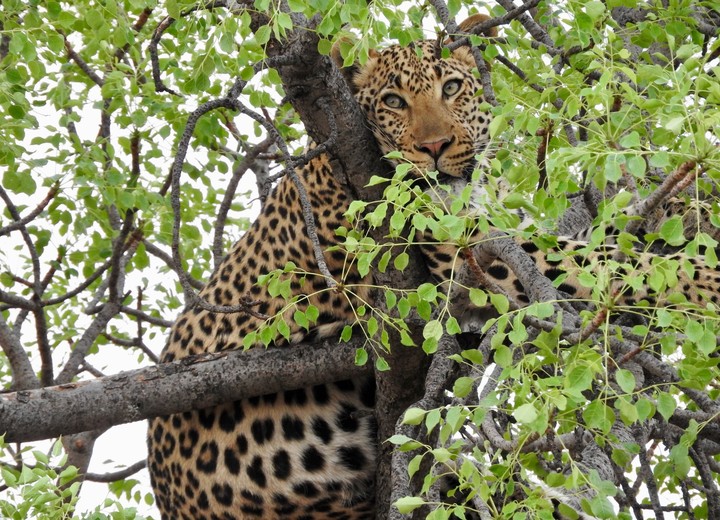
Private conservancies, private aircraft and the plains to yourselves.
Each opens onto a private chapter — its rhythm, its access, the hours only a relationship can hold open.
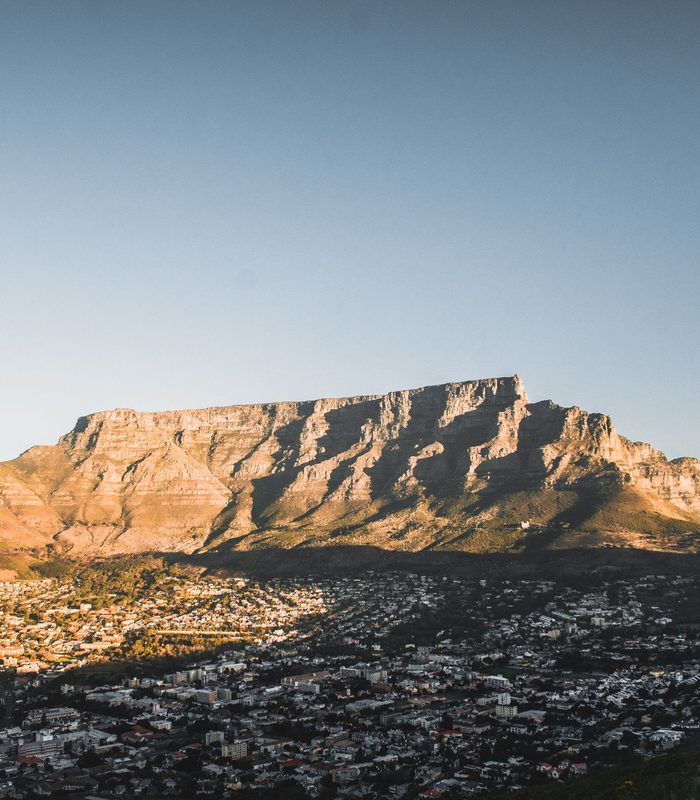
Big Five conservancies, the Winelands and the Cape — bush and culture in one journey.
Explore the Region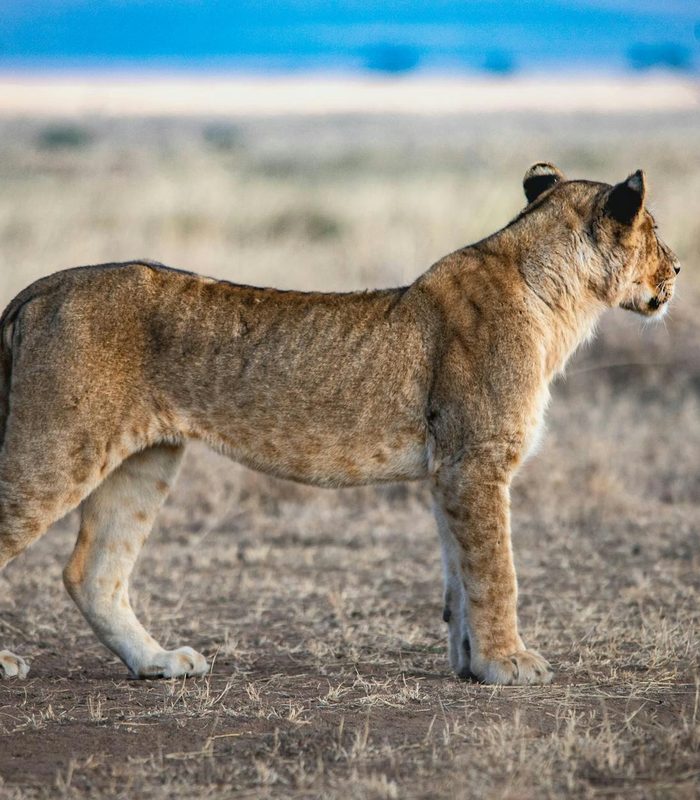
Private conservancies bordering the Mara, walking safaris and the Great Migration in season.
Explore the Region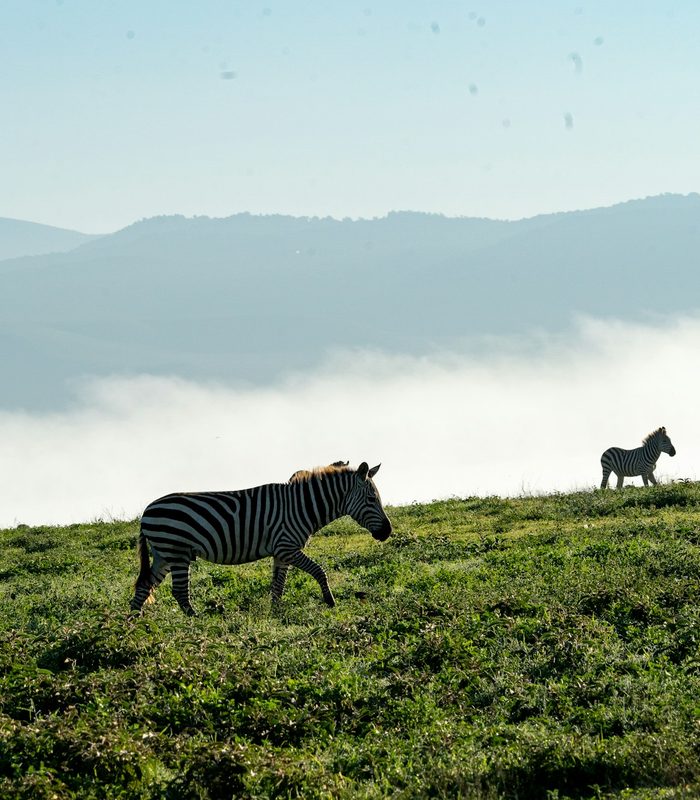
The Serengeti when the herds are moving, the Ngorongoro Crater at opening, and the Indian Ocean waiting when you are ready to stop.
Explore the Region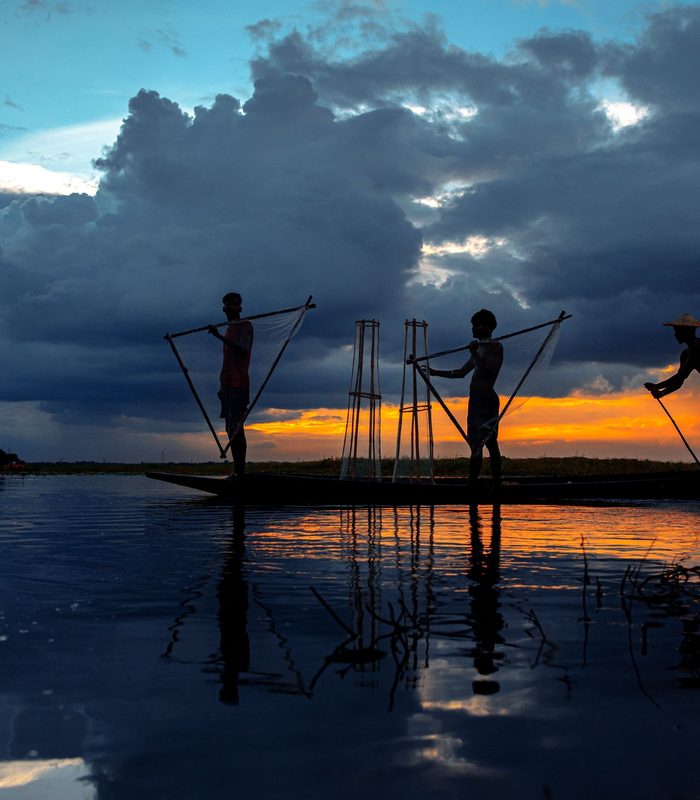
A delta that floods in the dry season, reached by light aircraft, where the camp holds twelve people and the water does the guiding.
Explore the Region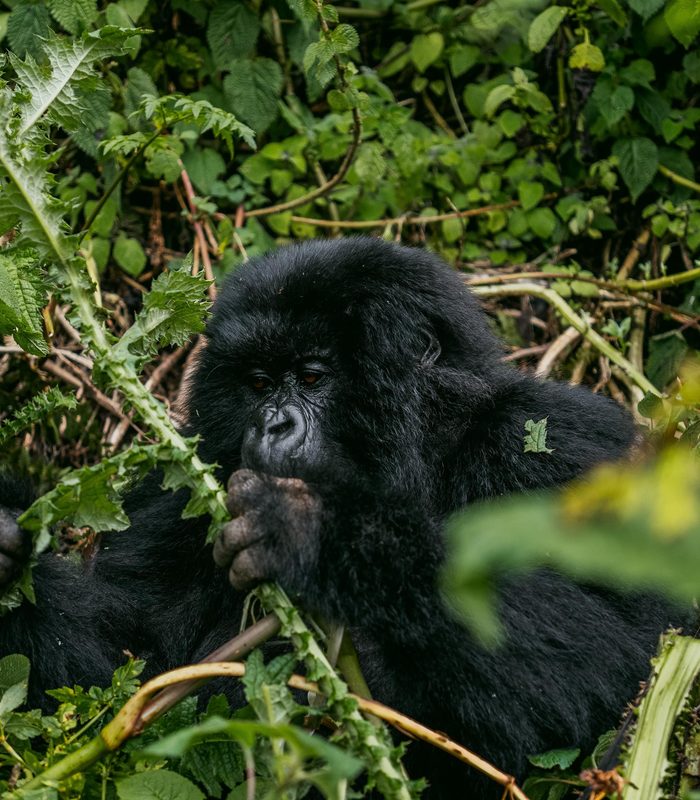
Mountain gorillas an hour's walk above the tea, and the shortest journey in Africa between an international flight and a great wildlife encounter.
Explore the Region
A restored wilderness in Gorongosa, and an island archipelago where the safari continues underwater.
Explore the RegionA luxury safari is defined by exclusivity of access, not by thread count. In practice that means a private vehicle and guide used only by your party, camps inside private conservancies where off-road driving, night drives and walking are permitted (they are not inside national parks), a maximum of eight to twelve guests in camp, and light-aircraft transfers between regions. Expect from roughly US$1,200 per person per night at that level, and more for exclusive-use camps or private aircraft.
Luxury safaris generally run from around US$1,200 per person per night, all-inclusive, rising with exclusivity, season and private guiding; ultra-luxury and private-conservancy itineraries sit at the top of that range. Applied to a trip, seven nights in one country at the premium tier starts from US$10,000 per person before international flights, and ten to twelve nights across two countries from US$20,000. Peak-season and Migration dates command the highest rates. Your advisor will tell you honestly where your vision sits before you commit.
July to October is the classic window: the Great Migration reaches Kenya's Maasai Mara for the river crossings, and the dry season concentrates game around water across Botswana, Namibia and South Africa. January to March is the quieter alternative, with calving in Tanzania's southern Serengeti and excellent predator action. April, May and November bring rain, lower rates and green landscapes; some camps close. Your advisor times the route to the month you can travel rather than asking you to move your dates.
For a first safari, Kenya or South Africa. Kenya gives you the Maasai Mara conservancies, walking safaris and an easy beach finale on the Indian Ocean, all within short flights. South Africa's Sabi Sand and Madikwe reserves deliver the most reliable close-range Big Five sightings, are malaria-free in Madikwe's case, and pair naturally with Cape Town and the winelands. Tanzania, Botswana and Namibia reward a second or third safari, when you already know what you want more of.
Both, and the difference is the animal. The savannah safaris — Kenya, Tanzania, Botswana — are what most people picture: a private vehicle, a guide, open plains. The forest safaris are a different journey entirely, and on foot: mountain gorillas in Rwanda's Volcanoes National Park and Uganda's Bwindi, chimpanzees in Nyungwe. Where an itinerary includes both, the forest goes first, while the legs are fresh.
In Kenya, the standouts sit in the Mara conservancies and Laikipia: Angama Mara on the Oloololo escarpment, Mahali Mzuri in Olare Motorogi, Sala's Camp in the far south of the Mara, Cottar's 1920s Camp for classic tented style, and Segera or Solio in Laikipia for rhino and riding. In Tanzania, Singita Grumeti's Sasakwa and Faru Faru in the western corridor, Namiri Plains for cheetah in the eastern Serengeti, mobile camps that follow the herds for the migration, and The Highlands or Gibb's Farm near the Ngorongoro Crater. Which one is right depends far more on your month and region than on the camp's name.
Yes, and it is worth knowing before you book. Namibia is a landscape safari as much as a wildlife one: the Sossusvlei dunes, the Skeleton Coast, and desert-adapted elephant, lion and rhino in the Hoanib and Damaraland. Game density is lower than in East Africa, so it is driven and flown between distinct regions rather than spent on twice-daily game drives from one camp. May to October is the window. It is superb as a second safari, or paired with Botswana's Okavango Delta for a trip that combines desert and water.
On the safaris we arrange, private by default. A private vehicle and guide means you set the departure time, stay with a sighting as long as you want, skip what does not interest you, and never share a row. It also makes photography possible — no negotiating a window seat. Shared game drives are the norm in most camp rates; a private vehicle is typically an added cost of from around US$650 per day, and it is the single upgrade that changes the experience most.
Camp accommodation and all meals, game activities with a private guide and vehicle, light-aircraft or road transfers between regions, park and conservancy fees, laundry, and the drinks most camps include. Your advisor also arranges the international flights, the visas and permits, and stays reachable while you travel — so a delayed connection is re-solved before you land, not after. What is quoted is what you pay: no per-activity add-ons discovered in camp.
Plan a minimum of four nights in any one camp region and seven to ten nights of safari in total. Fewer than three nights in a camp and you lose a day to each transfer; the best sightings tend to come on days three and four, once your guide knows what you want to see. A classic shape is four nights in a private conservancy, three in a second contrasting region, then three or four on the coast — around eleven nights door to door.
Ten to twelve months for July to October, and for any exclusive-use camp or a family needing adjoining tents. The best camps in the Mara conservancies and the migration mobile camps in the Serengeti hold very few rooms — often eight to twenty guests in total — so peak dates go early. Gorilla permits in Rwanda and Uganda are capped daily and should be secured first, before flights. Shorter notice is workable in the green season, and we do place last-minute trips through camp relationships.
Almost every safari we design ends somewhere still. From Kenya, Lamu or Diani on the Indian Ocean; from Tanzania, Zanzibar or Mnemba Island; from South Africa, Cape Town and the winelands, or Mozambique's islands. Three or four nights of beach after four or five nights of early starts is the pattern that works. Your advisor arranges the connecting flights and the private transfers so the transition costs you no day.
Yes, with the region chosen for their age. Most camps in private conservancies take children from six, some from four with a private vehicle, and family suites or exclusive-use houses solve the rest. For under-eights, Madikwe and other malaria-free South African reserves are the straightforward answer. Above that, Kenya's conservancies add walking, spear-throwing with Maasai guides and horse riding — the things children actually remember.
Honeymooners are best served by intimate, private camps with plunge pools, private decks and standalone suites — Botswana's Okavango Delta, the private conservancies bordering the Masai Mara, and South Africa's Sabi Sand are favourites for seclusion and service. Many couples pair a few nights on safari with a beach finale in Zanzibar, the Seychelles or Mauritius. Advisors arrange the romantic touches — private dining, sundowners, a bush breakfast — and the seamless connections between them.
Neutral, breathable layers (khaki, olive, beige — avoid bright colours, white and dark blue or black), a warm layer for cold morning drives, a wide-brim hat, sunglasses, high-SPF sunscreen and insect repellent, closed walking shoes, and any personal medication. Bring binoculars and a camera with a zoom lens. Most luxury camps offer same-day laundry, so pack light — light-aircraft transfers require soft-sided bags and enforce strict weight limits (often around 15 kg). Your advisor sends a tailored packing list for each camp and season.
For most travellers, yes. A luxury safari buys exclusivity and access — private conservancies with few vehicles, expert guiding, off-road driving and walking safaris that public parks don't allow — plus seamless logistics across remote camps and light-aircraft transfers that are hard to arrange alone. The comfort matters, but the real value is more wildlife, fewer crowds and a trip that simply works. An advisor's relationships also unlock camps and dates that sell out far in advance.
There is no single best — it depends on what you want. For the Great Migration and big-cat density, the Serengeti (Tanzania) and the Masai Mara (Kenya) lead. For privacy and walking safaris, Botswana's Okavango Delta and its private conservancies excel. For dramatic landscapes and rhino, South Africa's Sabi Sand and Kruger-area reserves are superb; for gorillas, Rwanda and Uganda. The best safari is the one matched to your season, interests and pace — which is exactly what a specialist advisor designs.
Through the camps themselves. Forty years of placing clients in East and Southern Africa, and Virtuoso membership since 2004, mean we hold allocation and waitlist priority at properties whose public availability shows nothing — and we know which rooms in a camp are worth holding out for. It is the same relationship that gets a private vehicle released in high season, or a guide you asked for by name assigned to your party.
Mozambique works best as the second half of a safari rather than the whole of one. The pattern that works is four or five nights in South Africa's Kruger region for the Big Five, then the daily direct flight from Johannesburg to Vilanculos, about an hour and a half, and three or four nights in the Bazaruto Archipelago. For wildlife inside Mozambique itself, the reference is Gorongosa National Park in Sofala province, restored since 2008 by the Government of Mozambique and the Carr Foundation.
Two areas carry almost every luxury itinerary: the Bazaruto Archipelago off Vilanculos for the beach, and Gorongosa in the centre of the country for wildlife, best in the dry season from May to October. Conditions differ sharply from one province to the next, so before anything is confirmed your advisor checks the current government travel advisory against the exact route and every road transfer. That check belongs to the planning of your trip, not to a general rule.
On a photographic safari, the light-aircraft transfers between airstrips set the real limit. They allow around 20 kg per person, including hand luggage and all camera gear, in soft bags no larger than 25 × 30 × 62 cm, and some operators cap it at 15 kg. That is what constrains a long lens, a tripod and a second body, so the trip is planned around the aircraft first. Same-day laundry in camp helps; a private charter or helicopter removes the limit.
Each safari country asks for something different. Kenya no longer issues visas: it requires a US$30 electronic travel authorisation, valid 90 days, with a five-year multiple-entry option at US$185 for US passports. Tanzania requires a US$100 multiple-entry e-visa for US citizens and has not issued visas at the border since January 2025. Botswana collects a US$30 tourism development levy on arrival. South Africa is visa-free for 90 days but refuses entry without two consecutive, completely blank visa pages.
Since 1 March 2026, the Uganda Wildlife Authority has withdrawn its seven-day reservation hold on gorilla permits. Permits for Bwindi must now be paid in full at booking and placed through a licensed Ugandan operator. Uganda's permit is US$800, or US$600 in April, May and November; Rwanda's Volcanoes permit is US$1,500. Because permits are capped daily, they are secured before camps, then flights, then visas.
A Botswana safari explores the Okavango Delta by boat and mokoro, with the Linyanti added for predators. Botswana has the lowest guest density in Africa and the highest cost per night. Choosing the camp depends on water levels, not on the month alone, so the right Okavango camp is matched to how the water sits when you travel.
Yes. A six-tent bush camp can be taken in full, with your own staff, your own schedule and no game vehicle in sight but your own. Evenings can include a table set in the savannah at dusk, with an open fire, hurricane lamps and wildlife at the edge of the light, beneath the Milky Way. Mornings can begin at first light with a guide who has tracked the same elephant family for a decade, with permission to follow them off-road.
White is not banned; it simply works against you on safari. It shows the dust of an open game vehicle within hours and stands out in the bush, where neutral khaki, olive and beige blend in. Dark blue and black are best left at home too. Pack breathable neutral layers and a warm layer for cold morning drives; most luxury camps offer same-day laundry, so a light bag is enough.
A seven-night luxury safari in one country starts from US$10,000 per person at the premium tier, before international flights. All-inclusive luxury camps run from around US$1,200 per person per night, and private conservancies and exclusive-use camps sit above US$1,500. Park and conservancy fees, a private vehicle from around US$650 per day and light-aircraft transfers decide much of the final figure, and green-season rates sit 30–50% below peak at the same camp.
Choose Kenya for privacy and variety on a shorter trip, Tanzania for the migration across more of the year. Kenya's Maasai Mara conservancies allow off-road driving, night drives and walking, river crossings run roughly July to October, Laikipia adds rhino and riding, and the Indian Ocean is one short flight away. Tanzania's Serengeti holds the herds for most of the year, with calving in the south around January to March, plus the Ngorongoro Crater and Zanzibar to finish.
When to go, how long to stay and what it starts from — the questions our advisors answer most for this destination.
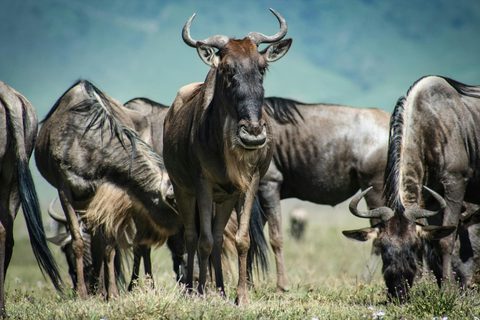
Eco-conscious luxury travel is less about a label than about where the money goes and how the trip is shaped. The places where it is concrete, and the questions that separate a real conservation programme from a brochure.
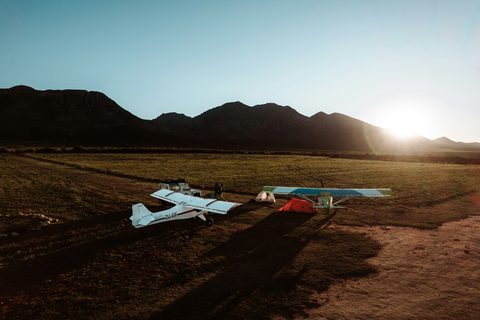
The fastest way between the great safari camps is not a road. A fly-in safari links them by light aircraft — on a shared scheduled flight or a private charter — and turns transfer days into game-drive days.
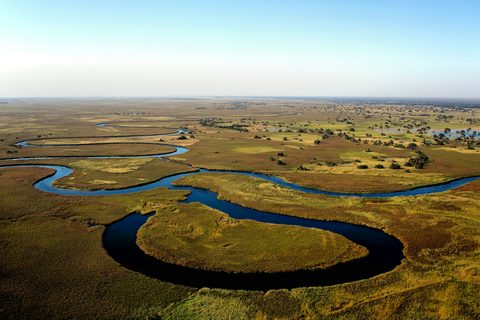
The Okavango is one of the most photographed wetlands in Africa for a reason: water and light at ground level, predators on open floodplains, and — from the air — patterns you cannot see any other way. This is the trip built around the frame.
Every journey here is a starting point a private advisor reshapes entirely around you — your pace, your people, the version of Safaris only you would recognise.
A real person answers: an in-house luxury travel advisor, in English or Spanish. The first conversation is complimentary.