01
A temple at dawn, alone
Kyoto's most photographed sub-temple opened before the public, walked in silence with the resident monk.

A temple closed to the public at dawn, cherry blossom from a private ryokan, and a sushi counter held for you alone.
Japan rewards precision and patience. The country opens slowly, and most beautifully, to those who arrive with the right introductions.
What an advisor can open that an algorithm cannot. Each of these is staged on your terms — the access, the timing, the people.
Kyoto's most photographed sub-temple opened before the public, walked in silence with the resident monk.
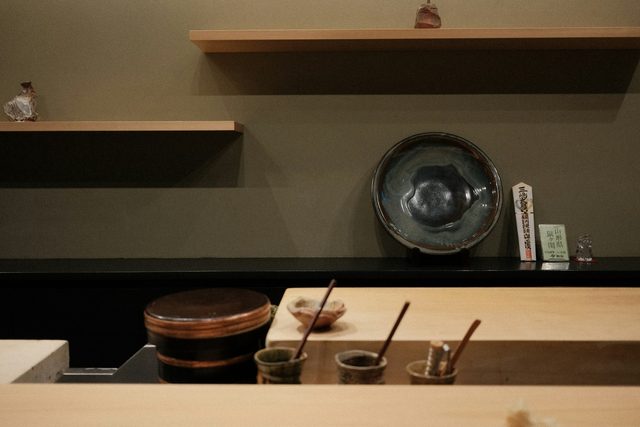
An eight-seat Tokyo counter reserved entirely — the master serving only your party, course by course, for two unhurried hours.

A traditional inn taken in full — your own onsen, your own garden, the sakura at first light.
Not packages — points of departure. Find the journey that already feels like yours; your advisor reshapes it entirely around you.

Sakura from a private ryokan, a Fuji-view onsen and Kyoto's stillness.

Held counters, kaiseki masters and the markets of Tokyo and Osaka.

Onsen rituals, temple meditation and the quiet discipline of beauty.

A temple closed to the public, a tea master and the art island of Naoshima.

Private access, master artisans and the finest ryokan and suites.
Each opens onto a private chapter — its rhythm, its access, the hours only a relationship can hold open.

A held sushi counter, an after-hours art house and the world's most exacting city.
Explore the Region
A private ryokan, a dawn temple meditation and a tea ceremony with a master.
Explore the Region
Japan's kitchen — counter dining, markets and warmth after Kyoto's restraint.
Explore the Region
Private onsen ryokan with Fuji views, and the art and gardens of the foothills.
Explore the Region
The art island — Ando architecture and installations between sea and sky.
Explore the RegionEntirely. The Japanese journeys here — honeymoon, culinary, wellness, cultural immersion, ultra-luxury — are starting points rather than packages, and they cross over: a temple at dawn before anyone else, a sushi counter held for you alone. Your advisor rebuilds the route around your pace and your party, timed to the blossom in March–April or the maples in October–November.
No one can guarantee cherry blossom in Japan. The Japan Meteorological Corporation publishes its first spring forecast only in mid-December, and it keeps moving. Full bloom arrives roughly a week after the first blossoms open, the petals fall about a week later, and the season can shift a week either way year to year. Forest Travel books to a date, tells you where the front is likely to be, and treats blossom as the gift rather than the plan.
On a first journey to Japan, the proportions that work are three or four nights in Tokyo, three or four in Kyoto, and one or two in a ryokan at Hakone between them. The final two nights go either to Osaka for its counters and markets or to Naoshima for the art. With fewer nights, the advice is to choose one capital and defend it, cutting a city rather than a day.
Hokkaido is the better answer from late December to February, when the north is the reason for the trip rather than a detour. Niseko and its neighbours take 12 to 15 metres of snow in an ordinary winter, with January the deepest and driest month and early February close behind. It is a separate itinerary of northern lodges, private guiding and almost no temples. In blossom season the north runs weeks behind: Sapporo opens only in late April.
Naoshima's Chichu Art Museum releases tickets only on the fifth of each month, for the month after next, and Japan's leading counters open one to three months out, some by introduction alone. Japan runs on fixed calendars: ryokan serve kaiseki at a set hour and most museums close on Mondays. That is why a Japan itinerary suits travelers happy to plan ahead rather than decide each morning what the day holds.
In Kyoto, the city's most photographed sub-temple can be opened before the public at dawn and walked in silence with the resident monk. In Tokyo, an eight-seat sushi counter can be reserved entirely, the master serving only your party, course by course, for two unhurried hours. What will not be sold is what is shut: Gion's private alleys are closed, and much of Kyoto is public and rationed.
The best time to travel to Japan depends on the season you want, and no one can promise cherry blossom. The first spring forecast appears only in mid-December and keeps moving, so blossom is treated as a gift rather than the plan. Maples peak in Kyoto mid-to-late November and in Tokyo a fortnight later. For snow, Hokkaido is the answer from late December to February. Through Golden Week, Obon and the year-end holidays, every Nozomi seat is reserved.
Japan suits travelers who value precision and patience and want to arrive with the right introductions: a temple opened at dawn, a sushi counter held for their party, cherry blossom from a private ryokan. The starting journeys cover honeymoons, gastronomy, wellness, cultural immersion and ultra-luxury. It is not for anyone who wants to decide each morning what the day holds, because ryokan serve kaiseki at a set hour, most museums close on Mondays and the leading counters book one to three months out.
Within Japan, a first journey combines Tokyo and Kyoto with one or two nights in a ryokan at Hakone, then two nights either in Osaka for the counters and markets or on Naoshima for the art. Hokkaido, from late December to February, is a different itinerary of northern lodges, private guiding and almost no temples, and is planned separately. In blossom season the north runs weeks behind the south, and Sapporo does not open until late April.
In Japan, travelers stay in the finest ryokan and suites, including a traditional inn taken in full, with its own onsen, its own garden and the sakura at first light. A first journey usually places one or two nights in a ryokan at Hakone between Tokyo and Kyoto, and a Hokkaido winter trip uses northern lodges. At this level in Kyoto, the top lodging-tax band applies: ¥10,000 per person, per night, for rooms of ¥100,000 or more.
In Japan, Forest Travel opens access through introductions, timing and the right people, which an algorithm cannot do. That can mean Kyoto's most photographed sub-temple opened before the public and walked with the resident monk, or an eight-seat Tokyo counter reserved for your party alone. Leading counters open one to three months out, some by introduction alone, and Naoshima's Chichu Art Museum releases tickets on the fifth of each month. What is shut, such as Gion's private alleys, is never sold.
A first journey to Japan really needs twelve to fourteen nights to see both capitals and one slower stop without packing every second morning: three or four nights in Tokyo, three or four in Kyoto, one or two in a ryokan at Hakone, and two in Osaka or on Naoshima. Ten nights works. Seven means choosing one capital and defending it, because it is better to cut a city than a day.
The one that can secure what Japan rations and is honest about what it cannot. The leading sushi counters open one to three months out, some by introduction alone; Naoshima's Chichu Art Museum releases tickets on the fifth of each month for the month after next; and Gion's private alleys are closed. Forest Travel, a Miami agency since 1986 and a Virtuoso member, plans Japan with in-house advisors in English or Spanish; the planning fee is US$250 per itinerary.
Not for a private journey at this level. Forest Travel estimates Japan from around US$1,000 per person per night, so a first journey of twelve to fourteen nights starts from around US$12,000 per person. Some costs sit outside the room: Japan's departure tax rose to ¥3,000 per person on 1 July 2026, and Kyoto's lodging tax reaches ¥10,000 per person per night for rooms of ¥100,000 or more. The planning fee is US$250 per itinerary.
Usually not on the nightly rate: luxury hotels enforce rate parity, so an advisor's rate and the best public rate are normally the same number. What changes is what comes with it, typically daily breakfast for two, a property credit, an upgrade on arrival when available, and early check-in or late checkout. Forest Travel's planning fee is US$250 per itinerary. In Japan, the advisor also times the counters, ryokan and museum releases that open on fixed dates.
When to go, how long to stay and what it starts from — the questions our advisors answer most for this destination.
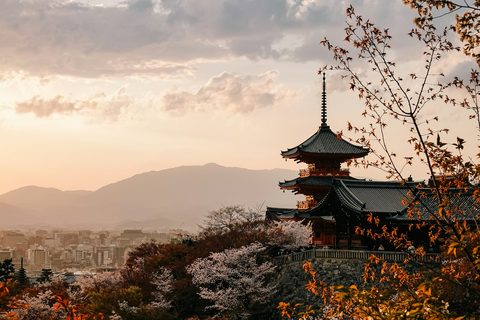
Japan is one of the easiest great journeys to make with three generations: trains that run to the minute, luggage that travels on its own, food every age will eat. What makes it work is pacing, a few private days, and luggage that travels without you.
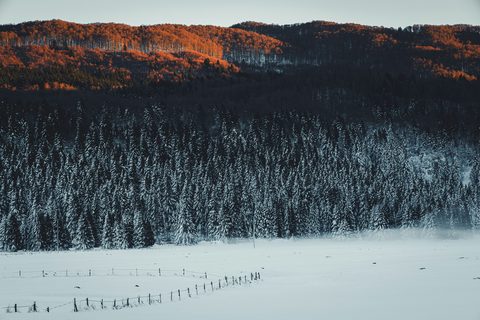
Four resorts on one mountain in Hokkaido, famous for some of the lightest powder anywhere: when to go in 2026–27, which side of the mountain suits whom, and how the trip fits with the rest of Japan.
Almost everything that goes wrong on a Japanese itinerary goes wrong on the ground. The guide and the chauffeur are two different hires, the hire car is billed from the garage rather than from you, and a large suitcase needs a reservation of its own.
Every journey here is a starting point a private advisor reshapes entirely around you — your pace, your people, the version of Japan only you would recognise.
A real person answers: an in-house luxury travel advisor, in English or Spanish. The first conversation is complimentary.