Which island belongs to your trip?
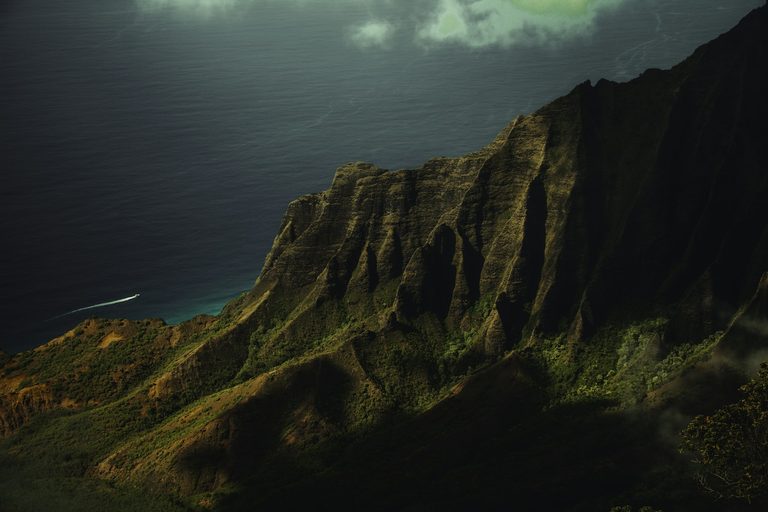
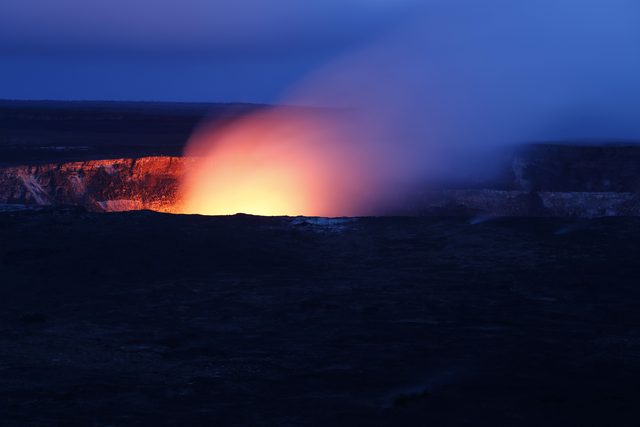
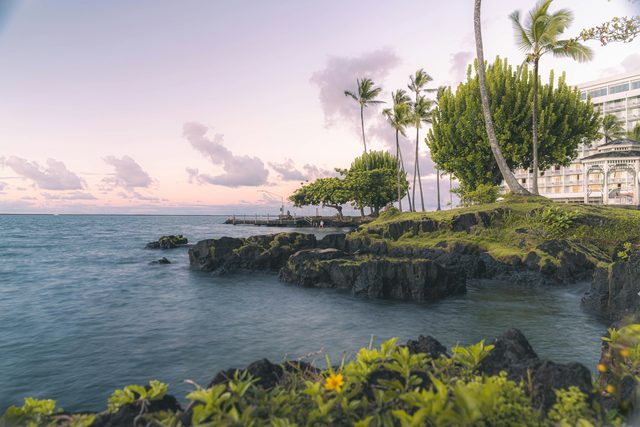
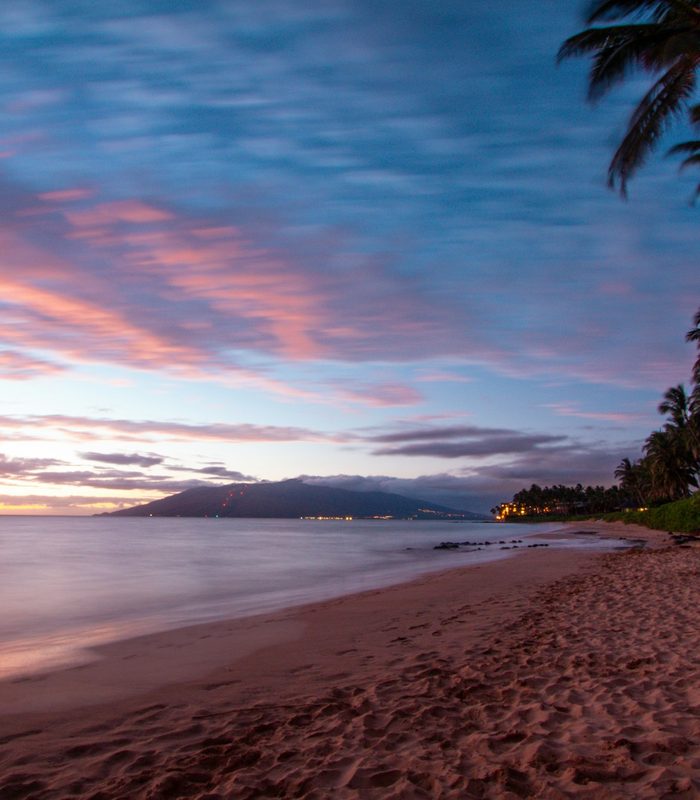
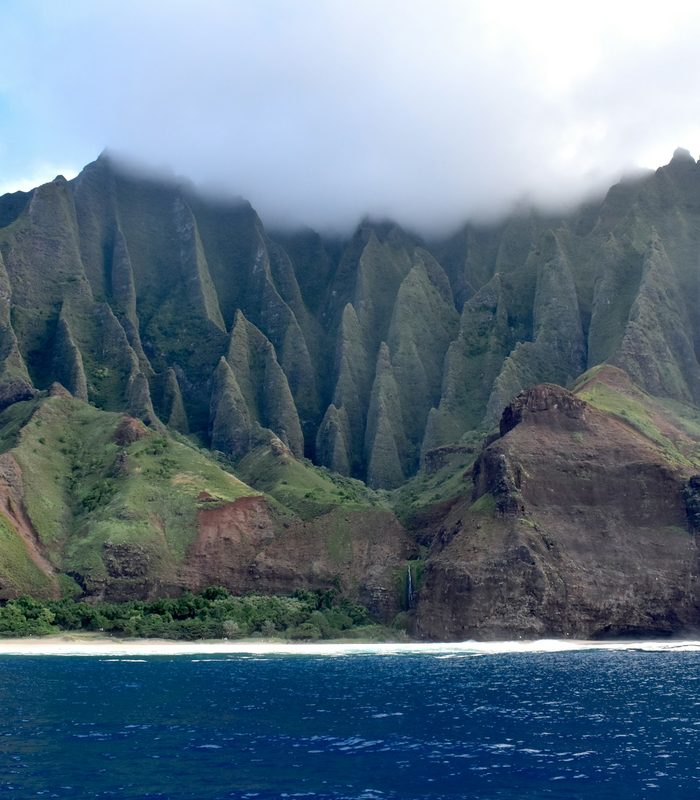
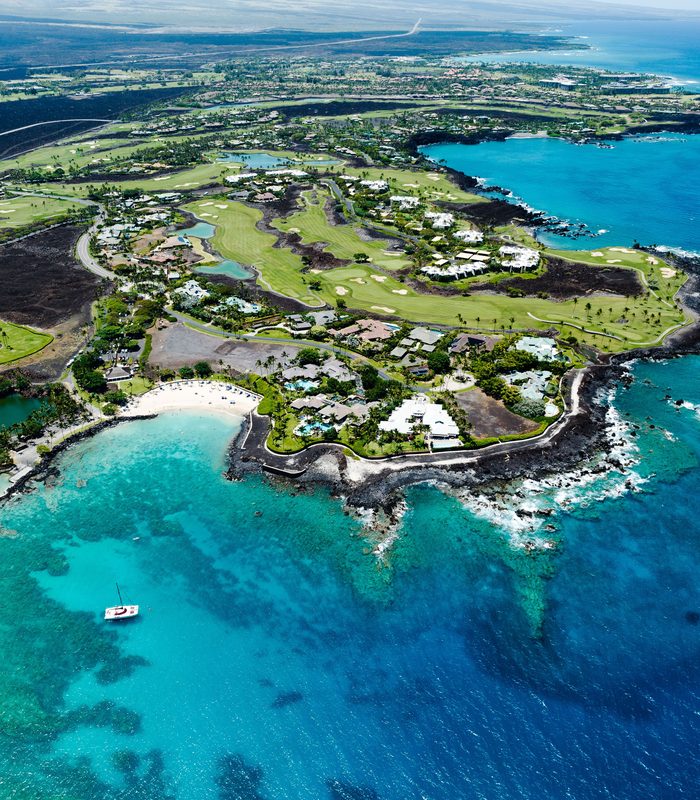
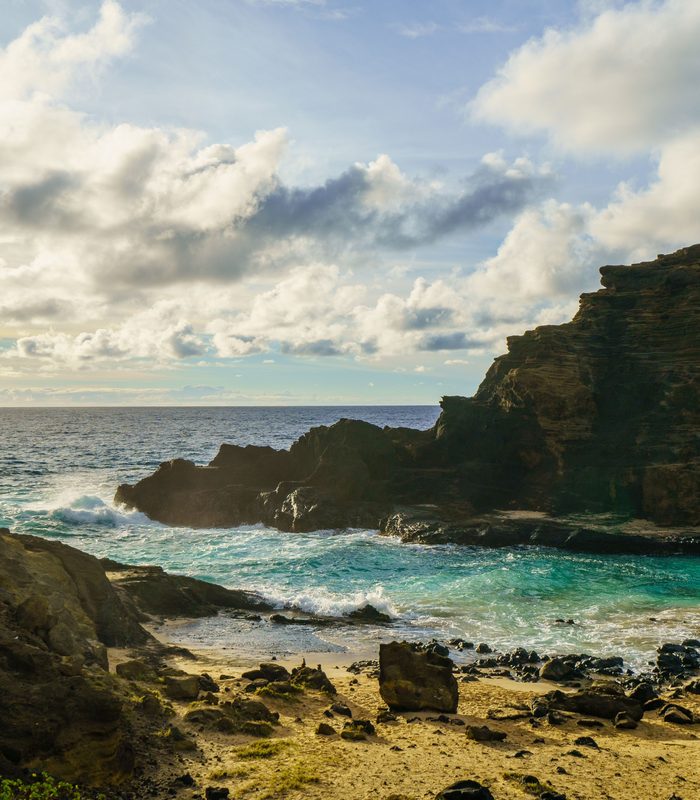
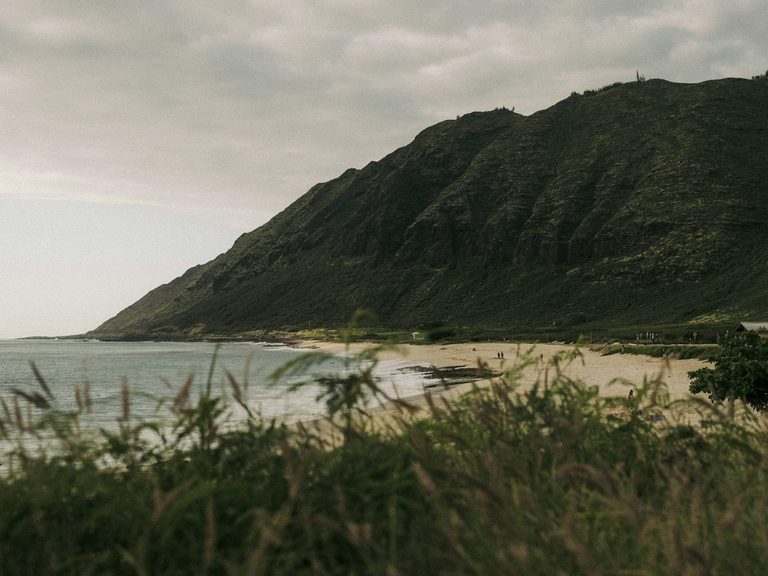
Maui for polished resorts, leeward beaches and the archipelago's strongest dining. Kauai for cliffs, canyons and the greenest, most changeable landscape. The Big Island for active volcanoes, many climates on one island and the dry Kohala Coast. Oahu for culture, history, surf and the only real city. Lānaʻi for absolute retreat. We do not start from the island. We start from what you want your mornings to look like, and the island follows.
The side of the island decides more than the month
Rain in Hawaii is geography rather than calendar. The trades unload on the windward slopes and leave the leeward coasts dry: the Kohala Coast takes roughly 6 to 10 inches of rain a year while Hilo, on the same island, runs around 130. That is why the great resorts sit where they sit. The right coast rescues a mediocre month; the wrong coast is not rescued by any month.
Two islands, not four
Five to seven nights for one island, ten or more for two. Every island change costs half a day between checkout, airport, flight and arrival, so the pairing that works sets a resort-and-dining island against one of landscape or silence. Inter-island hops run 25 to 50 minutes and no island connects to another by bridge. Seeing all of Hawaii in one trip is the surest way to see none of it.
When you travel well, and when you overpay
April, May, September and early October are the four good windows: dry weather, fewer people, better availability of the suites that actually matter. The two peaks are the year-end holidays and mid-June to mid-August. For the best properties we work four to eight months ahead, and further for those two peaks — the season of access explains why. Which month, and which island goes through it in full; for travelling with children see luxury family travel, and for two, our journeys for couples.