01
A lodge on a fjord no road reaches
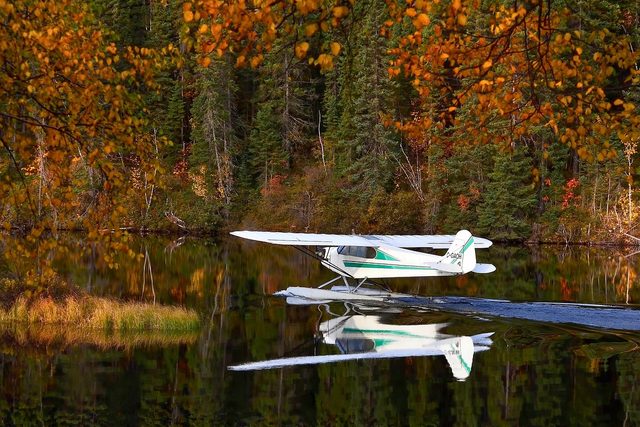
A floatplane brings you in; the lodge is yours; the wilderness begins at the door.

A private lodge on a glacial fjord, a floatplane to untouched wilderness, and whales surfacing in mirror-still water.
Alaska's scale resets the soul. We design each journey from scratch — a private lodge, a floatplane, a guide who reads the tides — so the wilderness feels not endured but inhabited.
What an advisor can open that an algorithm cannot. Each of these is staged on your terms — the access, the timing, the people.
A floatplane brings you in; the lodge is yours; the wilderness begins at the door.

Brown bears at the salmon run with a single private guide — a morning the brochures cannot put a price on.
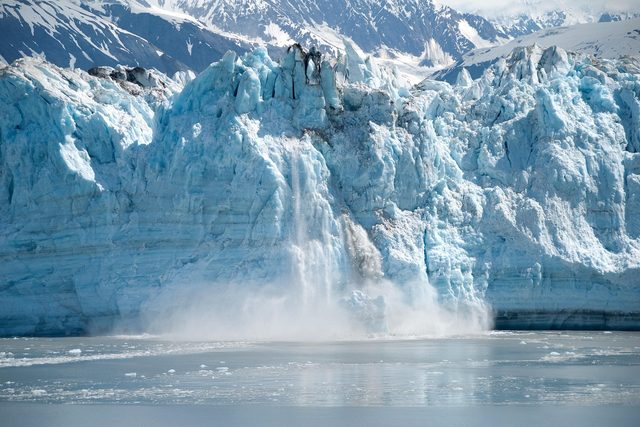
A bush pilot and a guide who reads the ice — calving glaciers watched from a place no cruise will pass.
Not packages — points of departure. Find the journey that already feels like yours; your advisor reshapes it entirely around you.

Alaska told as a story every generation remembers, with private guiding throughout.

Guided expeditions and the raw landscapes around Alaska.

Exclusive-use conservancies and private guiding across Alaska.

Endless summer light and the wild at its most alive.
Each opens onto a private chapter — its rhythm, its access, the hours only a relationship can hold open.

North America's highest peak, and the wild interior at its feet.
Explore the Region
Tidewater glaciers, orcas, and a coastline of ice and forest.
Explore the Region
The world's greatest gathering of brown bears, watched from the water's edge.
Explore the Region
Rainforest fjords, calving ice, and the living Tlingit coast.
Explore the RegionEntirely. Alaska for the Family, Adventure in Alaska, the Wild Heart and the Midnight Sun journeys are starting points, not packages. A lodge on a fjord no road reaches can anchor any of them, and bear-viewing away from the crowd fits a family week as well as an expedition one. Your advisor rebuilds the route around your party, across the May–September season.
Alaska is four regions, not one, and most journeys should cover one or two of them. Each change of region costs a flight day. Southeast (the Inside Passage) is travelled by water; South-Central holds Kenai Fjords, reachable from Anchorage by road or train; the Interior is Denali, four hours north of Anchorage; Southwest is Katmai, two flights out with no road. Ten days hold two regions properly; twelve to fourteen hold three, only if one is a coast you sleep on.
No. Buses on the Denali park road run only to mile 43 until the road reopens. The new Pretty Rocks bridge was completed this August and opened to hikers and cyclists on 27 August, but the National Park Service states that full bus service along the road resumes in 2027. The Road Lottery is suspended for the foreseeable future.
Rarely, because they peak in different months in Alaska. Alaska Fish and Game places cooperative bubble-net feeding by humpbacks in June and July, but the National Park Service says June and July are too bright for aurora at Denali. Skies darken enough for aurora from about mid-August, when bear activity is also at its densest, though August is wetter.
In Alaska the itinerary can be promised, not the weather: floatplanes fly on cloud ceiling, boats on swell, and the mountain shows itself when it chooses. Forest Travel builds in margin instead — a spare day held in each region, lodges chosen so a grounded morning is still a good morning, and guides who have a second plan ready. Ten honest days are preferred to twelve that depend on every day behaving.
The best time to travel to Alaska is the May–September season, and each month trades one thing for another. May is the driest and emptiest; June brings roughly nineteen and a half hours of sun in Anchorage but no aurora; July is warmest, with salmon running and humpback bubble-net feeding most likely; August is wetter but holds the densest bear activity and aurora from about mid-August; September brings colour, quiet and the first snow.
Alaska is ideal for travellers who have time and who read changing plans as adventure rather than failure. It suits families, adventurers and wildlife lovers, with journeys built around private guiding, floatplanes and bear-viewing without the crowd. It is not for anyone who needs the day to run as printed or has only five days, and it asks for a tolerance of rain: Ketchikan averages around 150 inches a year.
Yes. Alaska combines best within itself first: its four regions (Southeast, South-Central, the Interior and Southwest) can be paired, though each change of region costs a flight day. If your journey continues to Glacier or Yellowstone, the US$250 nonresident annual pass, covering the holder and three other adults, is usually cheaper than the US$100 per-person nonresident fee, and Forest Travel buys it before you travel.
In Alaska, Forest Travel can place you in a private lodge on a glacial fjord that no road reaches: a floatplane brings you in, the lodge is yours, and the wilderness begins at the door. Lodges are chosen so that a morning grounded by weather is still a good morning. In Katmai, the only roofed lodging is allocated by lottery years ahead.
Forest Travel opens Alaska through advisors rather than algorithms, staging each experience on your terms: the access, the timing, the people. That means bear-viewing at the salmon run with a single private guide, a bush pilot and an ice-reading guide for calving glaciers no cruise will pass, and planning around quotas, such as the Glacier Bay vessel permits required between 1 June and 31 August.
Plan at least ten days for Alaska; five is too short, as two of those days are spent flying. Ten days hold two of Alaska's four regions properly, and twelve to fourteen hold three, but only if one is a coast you sleep on. Starting-point journeys run 8 days and 7 nights, or 7 days and 6 nights, with a spare day held in each region.
For a private trip, the best way to cruise Alaska is the Inside Passage by small ship or by a chartered yacht of your own, on a route written around the ice and the tides rather than a port schedule. Our Inside Passage by yacht runs six to eight days, anchoring each night in a cove of your choosing, from US$15,000 per traveler. Between 1 June and 31 August, Glacier Bay admits only two cruise ships, three tour vessels, six charter boats and 25 private vessels a day.
A private trip to Alaska starts from around US$1,300 per person per night across the May to September season. Our Inside Passage journeys of five to eight days start from US$11,000 per traveler, and a chartered yacht through the passage from US$15,000. The figure rises with floatplanes, a fly-in lodge on a fjord no road reaches and private bear-viewing in Katmai. Forest Travel's planning fee is US$250 per itinerary, and your advisor shares a range before any design work.
When to go, how long to stay and what it starts from — the questions our advisors answer most for this destination.

Tlingit culture, rainforest and small ports, off the cruise routes. A private, tailored journey of 6-8 days in The Inside Passage, Alaska, designed end to end by a Forest Travel advisor — with Virtuoso privileges at the finest luxury hotels, from US$11,000 per traveler.

Calving ice and humpbacks, with naturalists and rangers aboard. A private, tailored journey of 5-7 days in The Inside Passage, Alaska, designed end to end by a Forest Travel advisor — with Virtuoso privileges at the finest luxury hotels, from US$12,000 per traveler.

Glacier fjords and whale waters on a chartered vessel of your own. A private, tailored journey of 6-8 days in The Inside Passage, Alaska, designed end to end by a Forest Travel advisor — with Virtuoso privileges at the finest luxury hotels, from US$15,000 per traveler.
Every journey here is a starting point a private advisor reshapes entirely around you — your pace, your people, the version of Alaska only you would recognise.
A real person answers: an in-house luxury travel advisor, in English or Spanish. The first conversation is complimentary.