What changed at Nuuk
Nuuk now has an international airport, and it is the single fact that reframes
Greenland. Its runway was extended from 950 metres to 2,200 metres, which is the
difference between turboprops and jets, and Air Greenland moved its hub there from Kangerlussuaq. There
are now direct services from Copenhagen — around five a week in winter, more over the holidays and up to
eight in summer — and United flies Newark to Nuuk directly, twice weekly. A country that used to cost a
day and a connection each way now costs a flight.
And the map is still moving. Qaqortoq opened in April, replacing Narsarsuaq as the way into the
south, and Ilulissat's own airport opens this October — Air Greenland flies it direct from Copenhagen
from the 29th. Once it does, the icefjord stops requiring a connection through anywhere, and most of the
country sits within about ninety minutes of the capital. Anyone weighing whether to go now or
later should read that as the answer: the reason to go now is that the second wave has not arrived
yet.
There are no roads
This is the fact that governs every itinerary and the one visitors underestimate most. Greenland has
roughly sixty kilometres of paved road in the entire country, and none of it connects one town to
another. You move by aircraft, by boat, by helicopter, or in winter by dogsled and snowmobile. There is
no drive between Nuuk and Ilulissat, at any budget, in any season.
Which means the plan is the trip. A week here is a sequence of flights and boats that either works or
does not, and weather closes both. We build in slack rather than density — fewer places, longer in each,
with a day of margin before anything that cannot be missed. Itineraries that read impressively on paper
are the ones that fail here.
Which season are you actually buying?
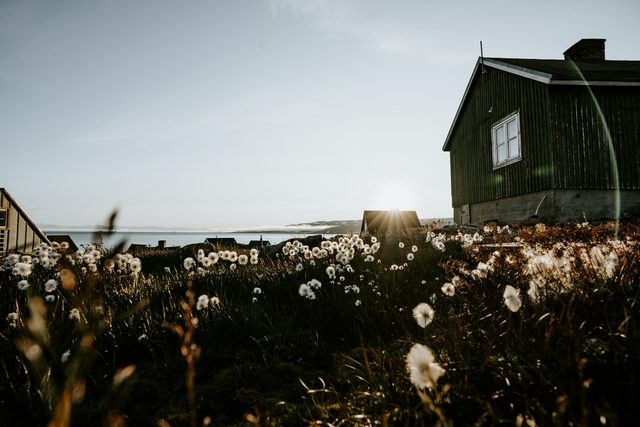
Two Greenlands, and you cannot have both in one trip. From mid-May to late July the sun does not set
over Ilulissat: that is the ice season, the whales, the long light, and the only window when the lodges
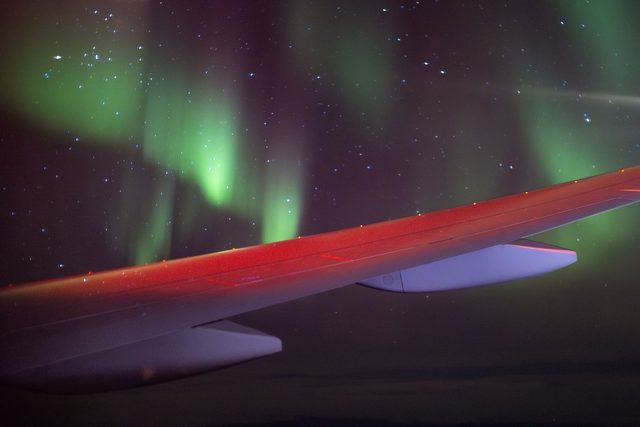
are open. From late September to early April the dark returns and with it the aurora, best over Disko
Bay, Nuuk and the south — but the lodges are closed and you are staying in towns.
The honest version, which the season pages rarely give: the finest place to stay in the country is shut
for the whole of aurora season. If the lights are the point, plan around hotels in Ilulissat or Nuuk and
accept it. If the ice and the light are the point, come in July and forget the aurora entirely.
Where you can actually stay
This is the constraint that has not caught up with the runway. Greenland's supply of genuinely fine
accommodation is measured in dozens of rooms, not hundreds — Ilimanaq's fifteen cabins are the reference
point, and they are seasonal. Everything else is either a good town hotel or a ship.
Which is why, for a party that wants a standard the land cannot yet supply, the answer is often a
small expedition vessel taken privately: it moves you between fjords no road reaches, it is the room and
the transport at once, and it does not depend on a settlement having a kitchen. That is not a compromise
in Greenland. It is frequently the better version.
Ilulissat, and why it is the anchor
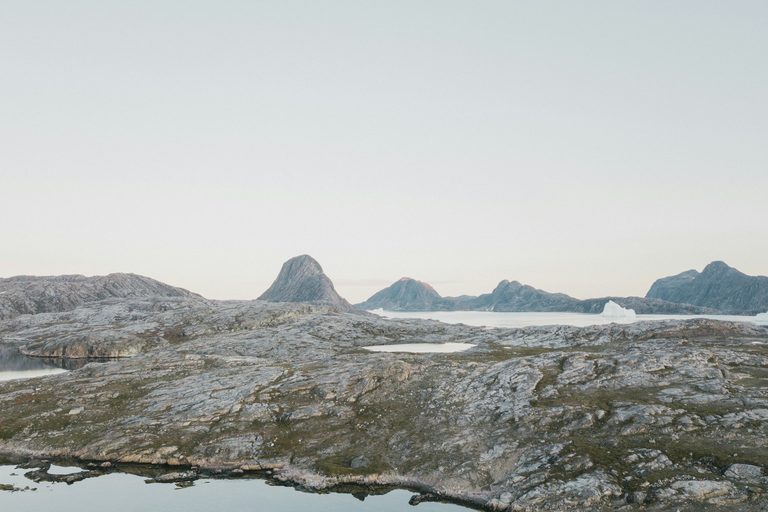
The Ilulissat Icefjord has been a UNESCO World Heritage site since 2004. It runs forty kilometres from
the inland ice to Disko Bay, two hundred and fifty kilometres north of the Arctic Circle, and it is where
the Greenland ice sheet actually reaches the sea. The town itself has about five thousand people and
nearly as many sled dogs, which tells you what the winter is for.
Everything else in a first trip arranges itself around that fjord: Disko Bay and the whales, the
settlements across the water, and — once its runway opens — the fact that you will no longer have to
route through anywhere to get here.