Canada is not one trip
The mistake is understandable and expensive: Canada reads on a map like a single destination and
behaves like four. Its signature wildlife experiences run on windows of a few weeks, they do not overlap,
and the two most sought-after are separated by most of a continent. No itinerary combines Churchill and
the British Columbia coast well, and the ones that try spend their best days in transit.
Which is why we start the conversation from the other end. Name the thing you actually want to see,
and the month, the coast and the length of the trip follow from it — rather than choosing dates and then
discovering what those dates permit.
Churchill: six weeks, and why they are those six
The polar bear season on Hudson Bay runs from about mid-October to late November, with the peak from
late October to mid-November. The reason is not tourism scheduling; it is ice. Roughly nine hundred bears
of the western Hudson Bay population move onto the coast near Churchill in those weeks, waiting for the
sea ice to reform so they can get back onto it and hunt seals. When the ice comes, they leave.
Two consequences worth knowing before you plan. The window is genuinely six weeks, so accommodation and
tundra access in a town of a few thousand people are the constraint rather than the flights. And the same
nights are dark enough for the aurora, which is why this is one of the few places where two headline
experiences share a date instead of competing.
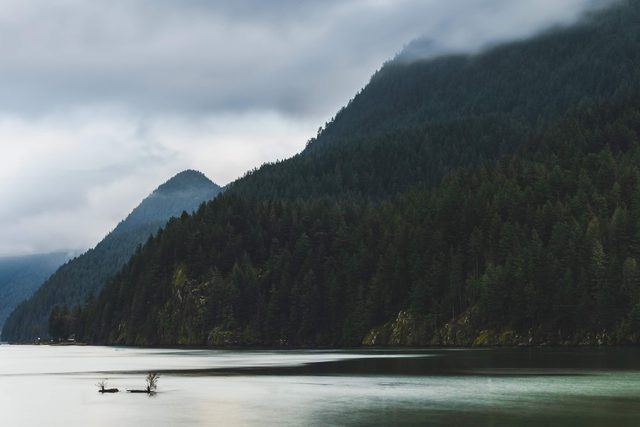
The Great Bear Rainforest: five weeks, and the rain is the point
On the other coast, the window is early September to mid-October, and the last two weeks of September
are the centre of it. The mechanism is the salmon run: it begins in late August, peaks in September or
October, and the autumn rains swell the creeks that draw the bears out of the forest to fish. Wolves,
bald eagles and gulls arrive on the same schedule.
People ask whether they can go before the rain. The rain is what makes it work. Go in August and the
creeks are low, the salmon are not in, and the forest keeps its bears. What you are buying here is
weather you would avoid anywhere else.
What to combine, and what not to
Churchill pairs naturally with a few days in Winnipeg or with the aurora, because they are the same
nights. The Great Bear Rainforest pairs with Vancouver Island and the coast, because they are the same
floatplane network. What does not pair is the two of them, and it is worth saying plainly: a party that
wants both is planning two trips a year apart, and the better version is to do each properly.
The Rockies are a third, separate proposition on a summer calendar, and Nova Scotia and the east a
fourth on an autumn one. Canada rewards the household that returns rather than the one that sweeps.
How access actually works out here
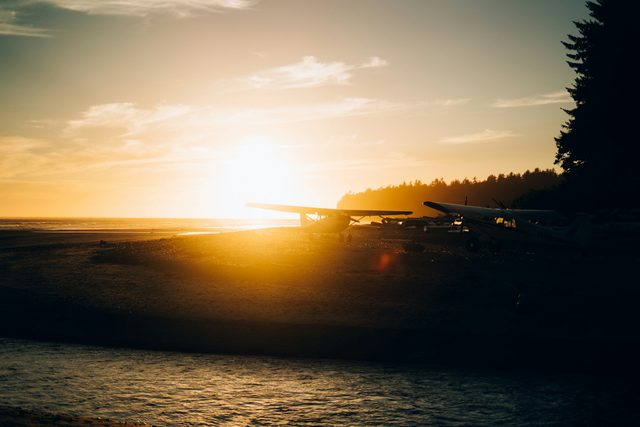
In both windows the limiting factor is not money but capacity. The Great Bear Rainforest has almost no
roads: you arrive by boat or floatplane, and the number of beds within reach of the good creeks is very
small. Churchill is a town, not a resort, and its tundra vehicles and rooms are finite across a six-week
season that has no elasticity.
Which puts both of them in the category we plan a year out rather than a season out — and makes the
cancellation, when one moves, worth having a relationship for.