01
The Acropolis Museum, alone
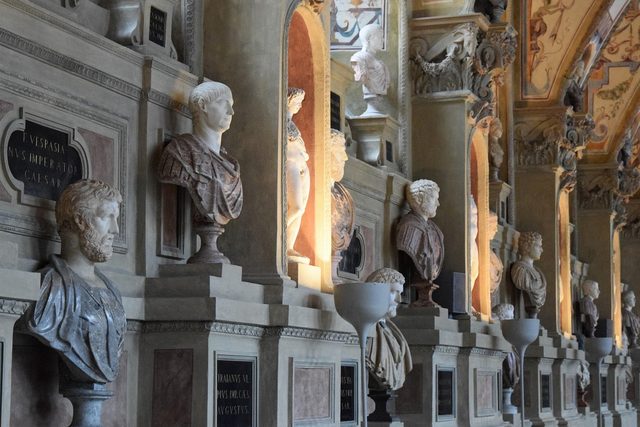
After the doors close, walked with the archaeologist who excavated the marbles you are standing in front of.
The Acropolis Museum after closing, a gulet toward islands the ferries never reach, and a caldera sunset in private.
Greece rewards those who arrive slowly. Beneath the postcard lies something older and quieter — a marble corridor opened after closing, a cove reachable only by sea.
What an advisor can open that an algorithm cannot. Each of these is staged on your terms — the access, the timing, the people.
After the doors close, walked with the archaeologist who excavated the marbles you are standing in front of.
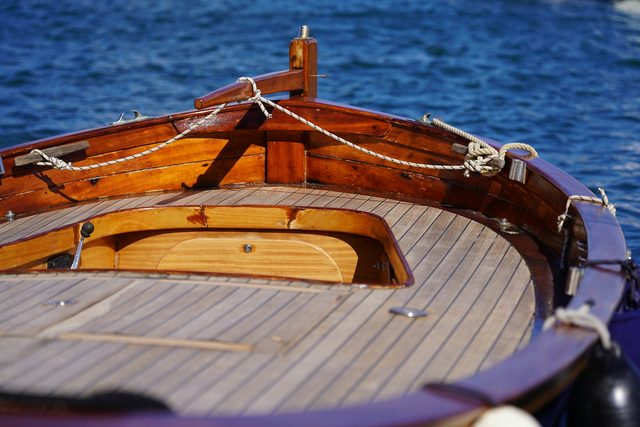
A private wooden yacht across the Aegean — anchorages without another vessel in sight, dinners on motus the ferries never reach.
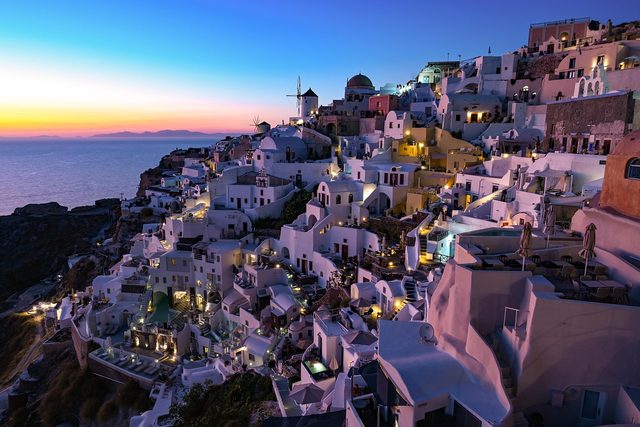
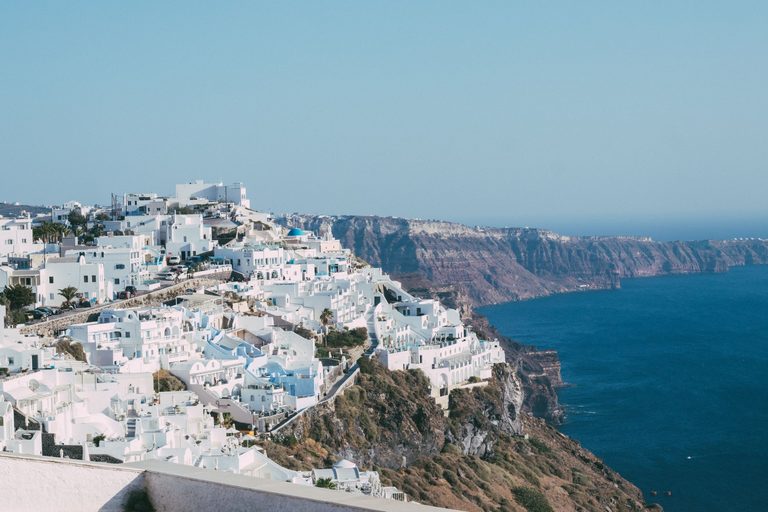
A cliff-edge house in Oia opened for cocktails — Santorini's most famous view, with no one else.
Not packages — points of departure. Find the journey that already feels like yours; your advisor reshapes it entirely around you.

A crewed gulet to Aegean coves the ferries never reach.

A caldera villa and a private gulet through the Cyclades.

Athens' antiquities and the quieter Cyclades, island to island.

Beach clubs, cliff-top villas and the famous Aegean light.
Each opens onto a private chapter — its rhythm, its access, the hours only a relationship can hold open.

The Acropolis Museum after hours and the ancient city walked with a scholar before the crowds.
Explore the Region
The glamorous Cyclade — private villas, beach clubs and a yacht to neighbouring isles.
Explore the Region
A cliffside villa above the caldera and the world's most storied sunset, watched in private.
Explore the Region
Marble villages, fishing harbours and a quieter, more authentic Aegean.
Explore the Region
Lunar coves and volcanic beaches reached best by private boat.
Explore the Region
A quiet Cycladic retreat — ancient roots, mountain villages and long golden beaches.
Explore the RegionThe finest windows are Late April – June · September – October. Your advisor times the journey to the season you choose, balancing weather, light and crowds.
Entirely. The Greek journeys here — a gulet through the Aegean, an island honeymoon, island discovery, a summer escape — are starting points rather than packages, and they combine freely: the Acropolis Museum alone after closing, then islands the ferries never reach. Your advisor rebuilds the route around your pace and your party, timed to late April–June or September–October.
There is no commercial flight between Mykonos and Santorini; going by air means routing back through Athens and surrendering the day. The high-speed catamaran covers the crossing in about 2 hours 10 minutes to 2.5 hours. A helicopter does it in 30 to 38 minutes, the right answer on a short trip or a windy week, since small high-speed craft can suspend service from Beaufort 7 when the meltemi blows between June and September.
No. Santorini sells a view from a cliff and has almost no swimmable shoreline beneath it, and booking it for a beach holiday is the error Forest Travel corrects most often. Match the island to the verb: Mykonos for beach clubs and late tables, Paros for a working harbour and dinner in a village square, Milos for a volcanic coastline read from a boat. Santorini is for the caldera, ideally a private sunset in Oia.
Athens first, Santorini last. Starting in Athens lets the reading precede the swimming, because it is the only place in Greece where the classical world becomes legible in an afternoon. Ending in Santorini makes the caldera the finale rather than the overture. Ten nights buys Athens and two islands, and every move between them costs half a day at minimum: checkout, port, crossing, transfer.
The Acropolis Museum is walked after the doors close, alone, with the archaeologist who excavated the marbles you are standing in front of. It is one of the signature moments of a Greek journey, and it fits naturally at the start of the trip, since Athens comes first so that the classical world is understood before the days turn to the islands.
A gulet journey in Greece is a crewed, private wooden yacht across the Aegean, with anchorages where no other vessel is in sight and coves the ferries never reach. The Greek Yacht Journey runs 8 days, and the Aegean Honeymoon pairs a caldera villa with a private gulet through the Cyclades. If August is your only month, a private yacht is the honest answer to the crowds and heat of the Cyclades.
Greece is ideal for travellers who arrive slowly and want what lies beneath the postcard: couples on the 10-day Aegean Honeymoon, sailors on the 8-day Greek Yacht Journey, the curious on the 10–12-day Island Discovery from Athens through the quieter Cyclades, and sun-seekers on the 8-day Greek Summer Escape. It suits July or August less well for anyone who dislikes queues, wind or 38 °C (100 °F) marble; late April to June and September to October are the best windows.
Greece is best combined within itself: Athens with one or two islands. Seven nights buys Athens for two or three nights and one island properly; ten nights buys Athens and two islands, three at the very most. Athens comes first so the classical world is read before the swimming, and Santorini last so the caldera is the finale. Every move costs half a day at minimum, so your advisor matches each island to what you want the days to feel like.
In Greece you stay where the island suits the trip: a caldera villa on the Aegean Honeymoon, cliff-top villas on the Greek Summer Escape, or a private crewed gulet anchoring in Aegean coves the ferries never reach. Santorini is chosen for its cliff view, not a beach. At five-star hotels and tourist villas, a climate crisis resilience fee of €15 per room, per night applies from April to October, and €4 from November to March, payable locally.
In Greece, Forest Travel stages moments on your terms — the access, the timing, the people — that an algorithm cannot open. The Acropolis Museum is walked after closing with the archaeologist who excavated its marbles; a private wooden gulet reaches anchorages with no other vessel in sight; a cliff-edge house in Oia opens for a private caldera sunset. Some limits remain: no relationship overrides a ministry order closing the Acropolis from 12:00 to 17:00 during declared heatwaves.
Greece is best given seven to ten nights. Seven nights buys Athens for two or three and one island properly; ten nights buys Athens and two islands, or three at the very most. The sample journeys run 8 days for the Greek Yacht Journey and Greek Summer Escape, 10–12 days for Island Discovery and 10 days for the Aegean Honeymoon. Every island move costs at least half a day, and in meltemi season a flexible day is held either side of fixed dates.
Seven days is enough for Athens and one island, not for island-hopping. Seven nights buys two or three nights in Athens and one island done properly; ten nights buys Athens and two islands. Every move costs at least half a day between checkout, port, crossing and transfer. We put Athens first, so the reading precedes the swimming, and Santorini last, so the caldera is the finale.
A private seven-day trip to Greece, six nights, starts from around US$8,100 per person, at Forest Travel's estimate of US$1,350 per person per night; a crewed eight-day sail through Naxos starts from US$9,800 per traveler. Local levies are extra: the climate crisis resilience fee is €15 per room per night at five-star hotels from April to October, and Acropolis admission is €30. Forest Travel's planning fee is US$250 per itinerary.
Look for one that plans around the meltemi, the ferries and the timed slots rather than around a brochure. Forest Travel, a Miami agency since 1986 and a Virtuoso member, plans Greece with in-house advisors in English or Spanish: the Acropolis Museum after closing, a private gulet to coves the ferries never reach, a flexible day either side of any fixed date in summer. The planning fee is US$250 per itinerary.
Athens first, then one or two islands matched to the trip you want. Athens is where the classical world becomes legible in an afternoon. Santorini sells the caldera view but has almost no swimmable shore below it; Mykonos sells beach clubs and late tables; Paros a working harbour and village squares; Milos a volcanic coastline read best by boat; Naxos mountain villages and long beaches. Tell your advisor how the days should feel.
When to go, how long to stay and what it starts from — the questions our advisors answer most for this destination.

Naxos in the Cycladic high season, navigated privately — the Portara at sunrise before the cruise passengers arrive, a boat to Koufonisia for the afternoon's turquoise shallows, a table at the Halki valley estate that picks its wine from the mountainside, and the mezes from the family who has supplied the island's tavernas since 1937. A private, tailored journey of 7 Days · 6 Nights in Naxos, Greece, designed end to end by a Forest Travel advisor — with Virtuoso privileges at the finest luxury hotels, from US$8,900 per traveler.
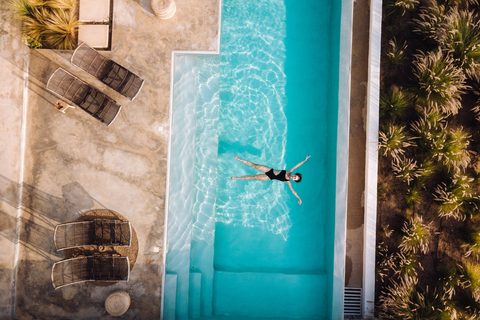
A Naxian cycladic house in Filoti above the Tragaea — stone floors, a private terrace above the olive groves, a cook who sources from the Naxos Town cooperative, and the island's mountains visible in every direction as the Aegean reflects the light from the sea below. A private, tailored journey of 7 Days · 6 Nights in Naxos, Greece, designed end to end by a Forest Travel advisor — with Virtuoso privileges at the finest luxury hotels, from US$7,200 per traveler.
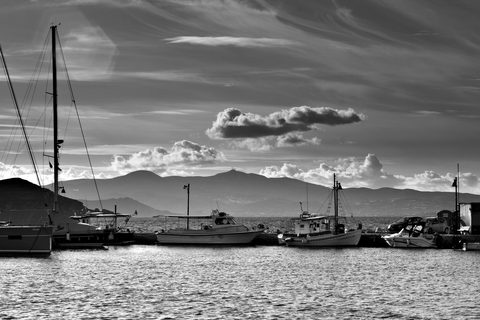
A crewed sail through Naxos — empty anchorages and sunsets on your schedule. A private, tailored journey of 8 Days · 7 Nights in Naxos, Greece, designed end to end by a Forest Travel advisor — with Virtuoso privileges at the finest luxury hotels, from US$9,800 per traveler.
Every journey here is a starting point a private advisor reshapes entirely around you — your pace, your people, the version of Greece only you would recognise.
A real person answers: an in-house luxury travel advisor, in English or Spanish. The first conversation is complimentary.