The Great Safari
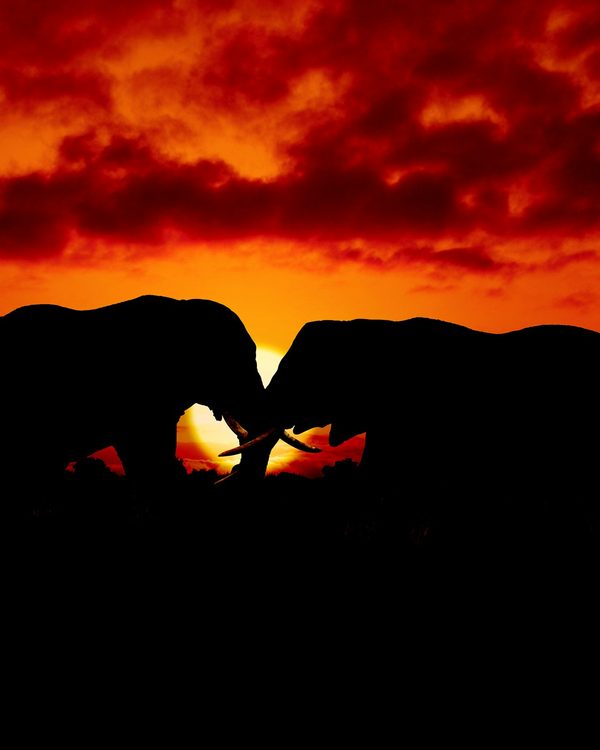
Dawn and dusk game drives in a private conservancy, walking safaris, and a bush dinner beneath the stars — the wild at its most thrilling.
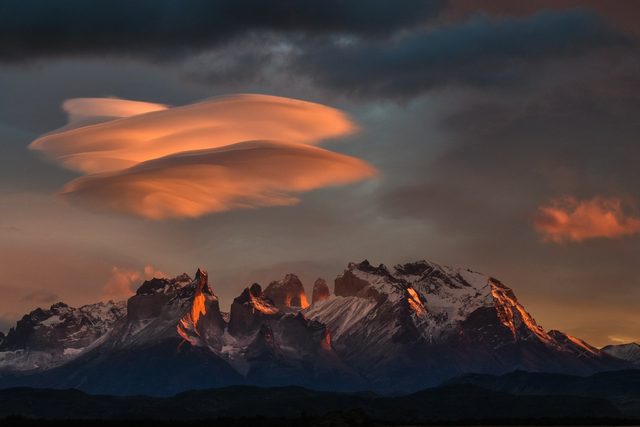
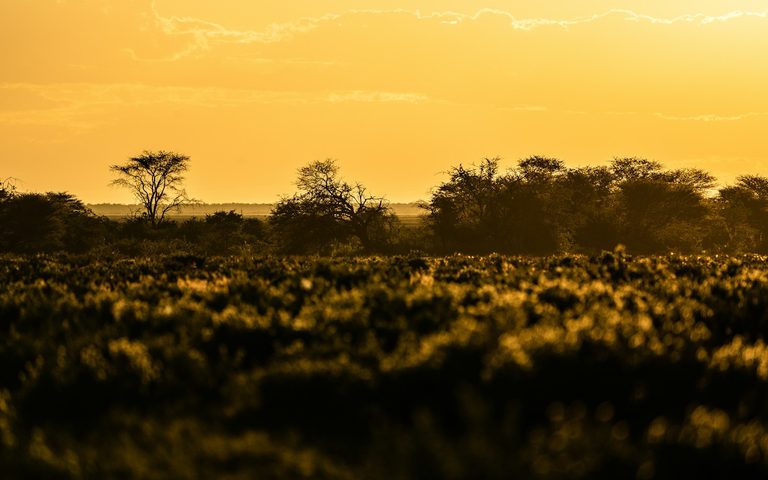
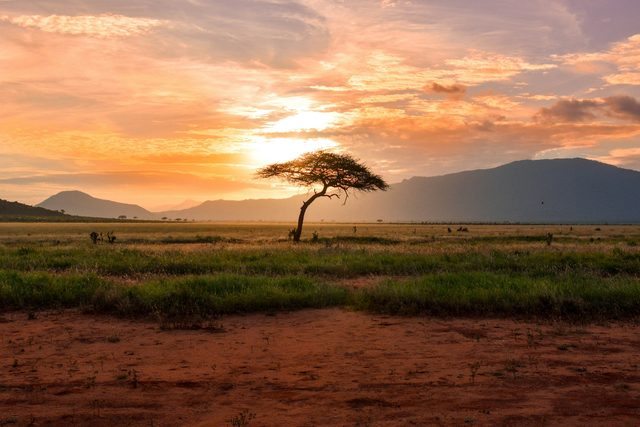
The great migrations, the predators at dawn, and the silence between — the African wild and beyond, hosted privately.
A great safari is theatre without a script. We place you in private conservancies and exclusive-use camps where the wildlife — not the crowd — sets the pace, and a personal guide reads the bush like a book.
The camp matters more than the country. Kenya and Tanzania for the migration and the private conservancies beside it, Botswana for water, mokoro and almost nobody else.
To choose a luxury safari, compare five things: the region (Kenya, Tanzania, Botswana, South Africa or Rwanda), the camp style (tented vs lodge, size and exclusivity), …
Read the guide →Each of these is a starting point — not a package, not a fixed schedule. Your advisor reshapes it entirely around you.

Dawn and dusk game drives in a private conservancy, walking safaris, and a bush dinner beneath the stars — the wild at its most thrilling.
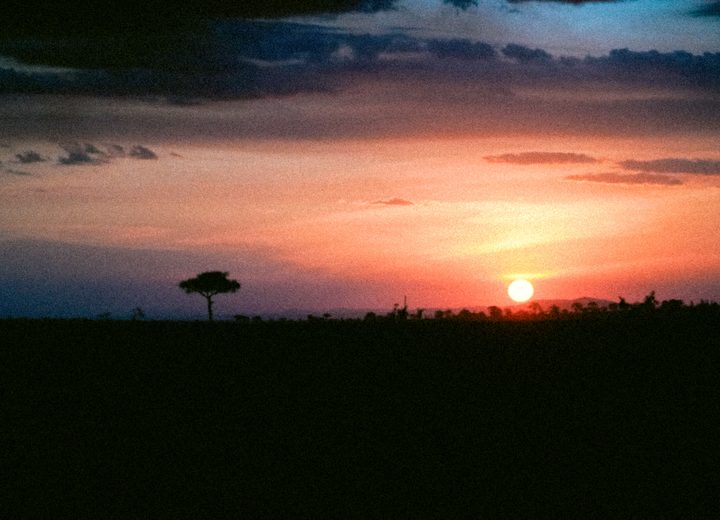
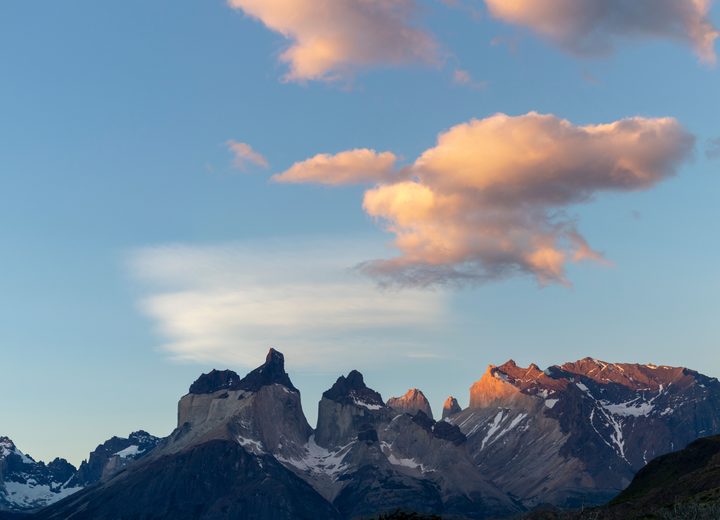
Guided treks and glacier days beneath Torres del Paine — the raw drama of the southern Andes, from an architectural lodge.

Manta rays at dawn, reef dives and lagoon crossings — the South Pacific's wildlife met from the water.
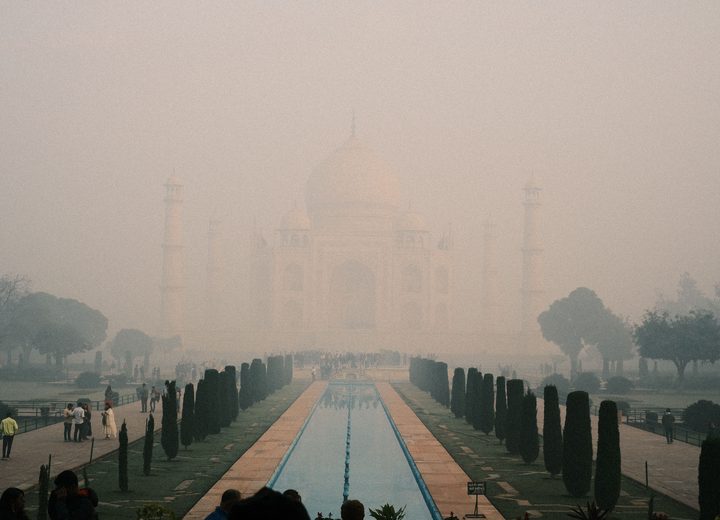
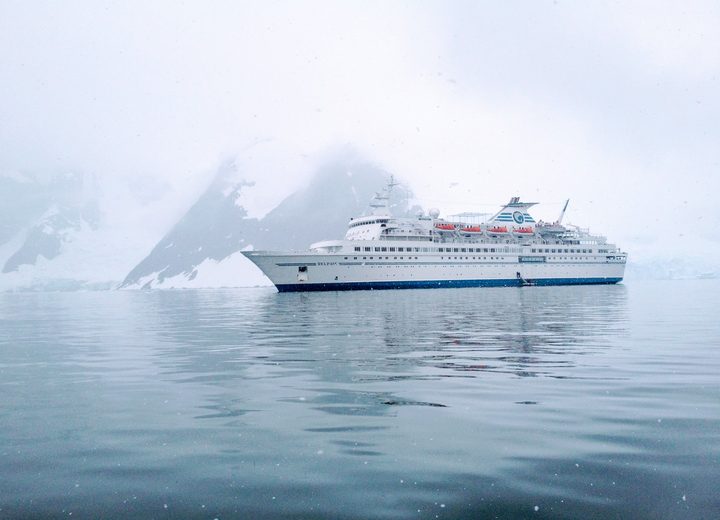
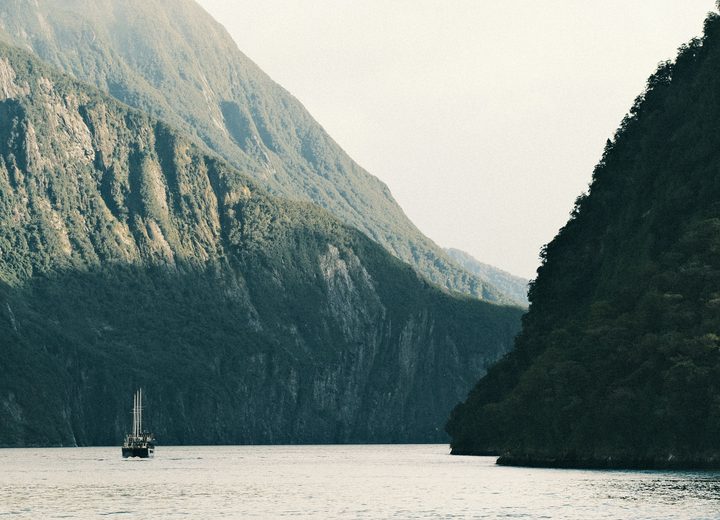
Five of the planet's great wildernesses — then built into a private, unhurried safari.
A lodge booking is the easy part. What puts you beside the wildlife is access — the conservancy with no other vehicles, the tracker who reads the bush, the hide kept for you at dawn — opened through forty years of relationships, never searched or booked.
None of these were on any itinerary. Yours won't be either.
No quotes. No obligation. A conversation.
The dry season is generally best for game viewing — roughly June to October across East and Southern Africa, when sparse vegetation and animals gathering at water make sightings easier. The Great Migration river crossings in the Serengeti and Masai Mara peak around July to October. Green-season months (November to March) trade some visibility for lush landscapes, newborn wildlife, fewer vehicles and lower rates. Your advisor matches the month to the specific reserve and to what you most want to see.
Neutral, breathable layers (khaki, olive, beige — avoid bright colours, white and dark blue or black), a warm layer for cold morning drives, a wide-brim hat, sunglasses, high-SPF sunscreen and insect repellent, closed walking shoes, and any personal medication. Bring binoculars and a camera with a zoom lens. Most luxury camps offer same-day laundry, so pack light — light-aircraft transfers require soft-sided bags and enforce strict weight limits (often around 15 kg). Your advisor sends a tailored packing list for each camp and season.
Both, and the difference is the animal. The savannah safaris — Kenya, Tanzania, Botswana — are what most people picture: a private vehicle, a guide, open plains. The forest safaris are a different journey entirely, and on foot: mountain gorillas in Rwanda's Volcanoes National Park and Uganda's Bwindi, chimpanzees in Nyungwe. Where an itinerary includes both, the forest goes first, while the legs are fresh.
A luxury safari is typically all-inclusive: accommodation, all meals and most drinks, twice-daily game drives with a private or shared guide, park and conservation fees, and in-country light-aircraft or road transfers between camps. Many include laundry, and some add private guides, walking safaris, night drives or hot-air-balloon flights. International flights, premium wines, gratuities and optional excursions are usually extra. Your advisor confirms exactly what each camp includes so there are no surprises.
For most travellers, yes. A luxury safari buys exclusivity and access — private conservancies with few vehicles, expert guiding, off-road driving and walking safaris that public parks don't allow — plus seamless logistics across remote camps and light-aircraft transfers that are hard to arrange alone. The comfort matters, but the real value is more wildlife, fewer crowds and a trip that simply works. An advisor's relationships also unlock camps and dates that sell out far in advance.
Luxury safaris generally run from around US$1,200 per person per night, all-inclusive, rising with exclusivity, season and private guiding; ultra-luxury and private-conservancy itineraries sit at the top of that range. Applied to a trip, seven nights in one country at the premium tier starts from US$10,000 per person before international flights, and ten to twelve nights across two countries from US$20,000. Peak-season and Migration dates command the highest rates. Your advisor will tell you honestly where your vision sits before you commit.
There is no single best — it depends on what you want. For the Great Migration and big-cat density, the Serengeti (Tanzania) and the Masai Mara (Kenya) lead. For privacy and walking safaris, Botswana's Okavango Delta and its private conservancies excel. For dramatic landscapes and rhino, South Africa's Sabi Sand and Kruger-area reserves are superb; for gorillas, Rwanda and Uganda. The best safari is the one matched to your season, interests and pace — which is exactly what a specialist advisor designs.
Honeymooners are best served by intimate, private camps with plunge pools, private decks and standalone suites — Botswana's Okavango Delta, the private conservancies bordering the Masai Mara, and South Africa's Sabi Sand are favourites for seclusion and service. Many couples pair a few nights on safari with a beach finale in Zanzibar, the Seychelles or Mauritius. Advisors arrange the romantic touches — private dining, sundowners, a bush breakfast — and the seamless connections between them.
First-timers do well in destinations with reliable game viewing, easy logistics and low-malaria or malaria-free options. South Africa's private reserves — Sabi Sand, and malaria-free Madikwe — offer excellent Big Five sightings with short flights and family-friendly comfort; Kenya and Tanzania deliver the classic open-plains safari and the Migration. A guided, all-inclusive private-reserve stay removes the guesswork. An advisor handles flights, transfers, visas and health guidance so a first safari feels effortless.
Plan for at least three to four nights in a single reserve to settle in and maximise sightings; the most rewarding luxury safaris run six to ten nights across two or three complementary camps — for example a delta, an open-plains reserve and a private conservancy. Fewer than three nights is possible but leaves little margin for weather or travel. Many travellers add a beach or city extension. Your advisor balances the number of camps against travel time so the itinerary never feels rushed.
Yes. We place families in conservancies and camps that welcome younger children — think exclusive-use villas at Singita or family suites at andBeyond's Kenyan properties — where private vehicles and dedicated guides replace fixed game-drive rules. Big-cat reserves often set minimums at six or twelve; we secure the camps that waive them, plus junior trackers and flexible mealtimes. Tell us your children's ages first.
We typically build seven to ten days on safari, then a private-island or coastal finale to decompress. Kenya and Tanzania flow naturally into Zanzibar or a North Island villa in the Seychelles; Botswana pairs with Mozambique's Bazaruto. Light-aircraft transfers connect the two without commercial connections. The rhythm matters more than the count — we calibrate camps and pace to your party, not a template.
Everything between camps is orchestrated for you: light-aircraft and helicopter transfers across the Mara, Serengeti and Okavango, a private guide and vehicle so you never share a sighting, and seamless border handling between Kenya, Tanzania, Rwanda or Botswana. We hold the relationships that turn fragmented bush logistics into one unbroken journey — including off-itinerary requests like a gorilla-trekking extension in Rwanda.
Because an advisor opens what no platform can sell. Online platforms list what's already public — the same rooms and flights available to everyone. A Forest advisor opens what isn't: private after-hours access, the host who answers because they know us, pacing built around your life, and logistics that stay invisible. Over forty years we've built the relationships that turn 'impossible' into 'it's arranged.'
It begins with a conversation, not a quote. A dedicated advisor learns how you want to feel — not only where you want to go — then designs a journey around you and reshapes it freely as your plans evolve. There's no fee for the initial consultation and no obligation.
Discretion is built in. We work quietly, share nothing, and arrange private transfers, exclusive-use stays and after-hours access so you're never on public display. For clients who require it, every detail is handled under strict confidentiality.
Tell a private advisor how you like to travel and they'll point you to the right starting point — or design something entirely new.