01
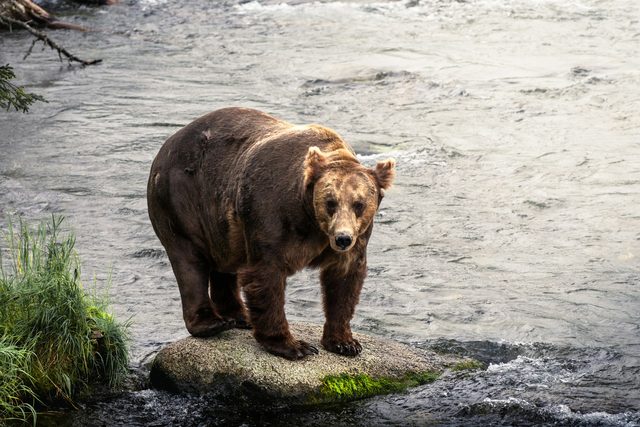
Brooks Falls at the Run
Brown bears fishing the falls, watched from privileged, private vantage.
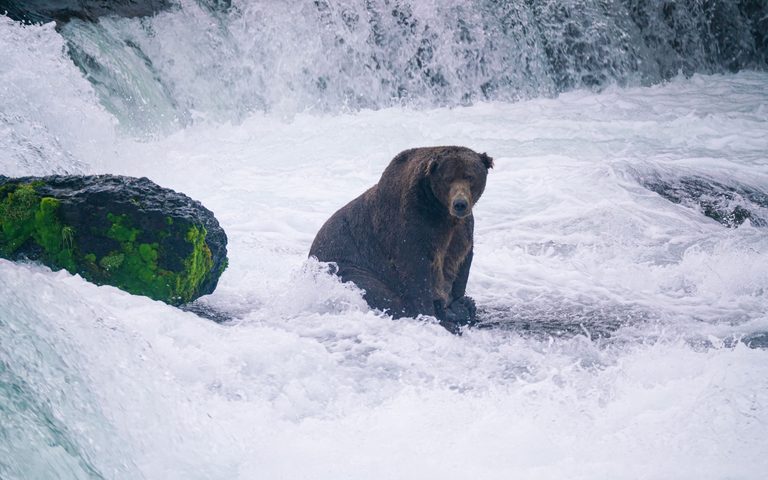
The world's greatest gathering of brown bears, watched from the water's edge.
Katmai is where the salmon run and the great brown bears gather — the densest concentration on earth. We fly you in by private charter, to the coastal bays that floatplanes alone reach and a wilderness camp where the only schedule is the run. Brooks Falls itself is a public platform on a ranger's waiting list; we build your days around it rather than pretending otherwise.
Brown bears fishing the falls, watched from privileged, private vantage.
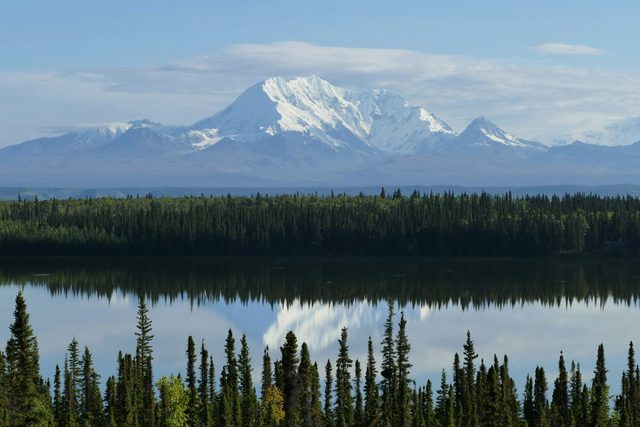
Fly in over the volcanoes to a coast few ever reach.
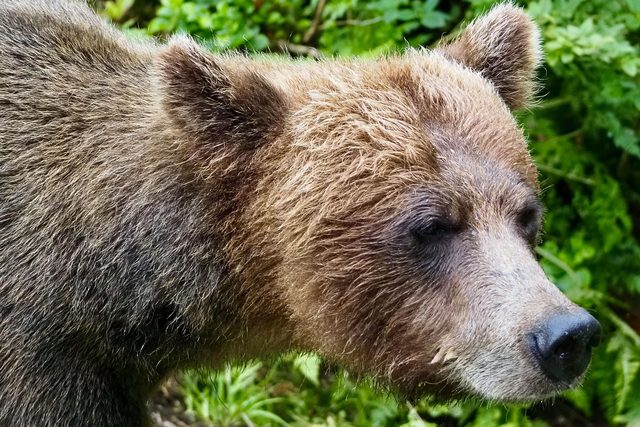
Bears clamming the tidal flats with a private guide, at a respectful distance.
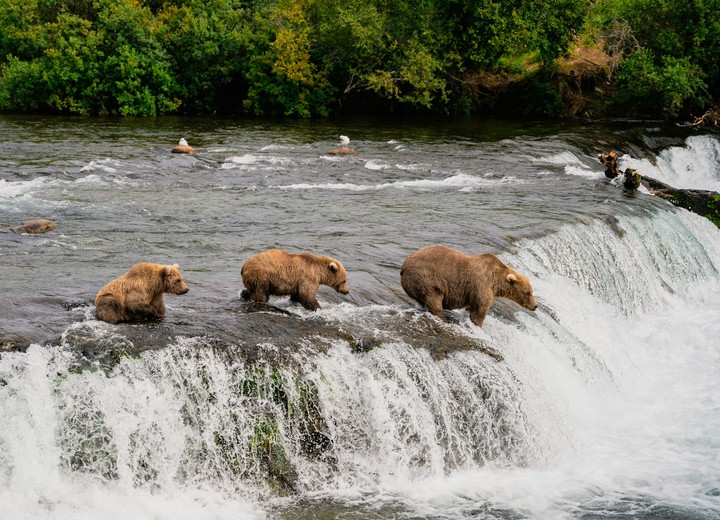
Brooks Falls and the coast at the height of the salmon run.
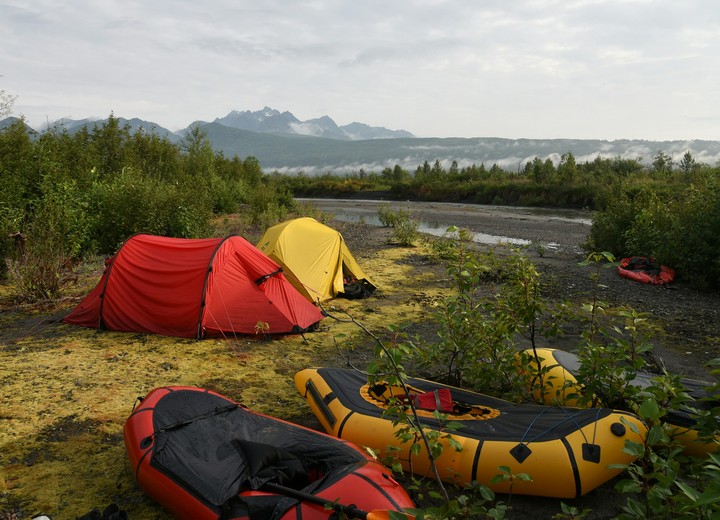
A fly-in camp at the edge of the run, days paced by the bears.
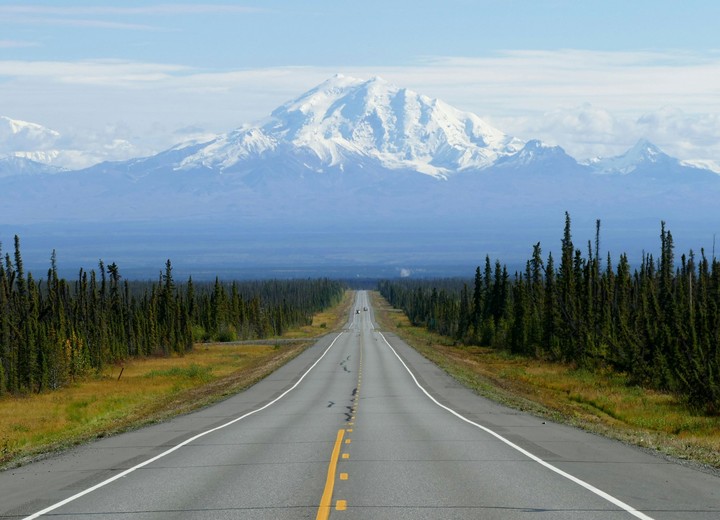
Katmai's volcanic backcountry and bear-rich coast, privately guided.
Each a starting point — our advisors weave them into a single, seamless journey.
July for bears fishing on Brooks Falls, when the salmon run concentrates them at the waterfall and as many as forty have been counted around the falls at once. September for numbers without the queue — bears return in force but spread along the river after spent salmon, with only dominant males holding the falls. June is the coastal month, when bears graze sedge and dig clams on the tidal flats before the run.
No permit is needed to stand on the viewing platform, but access is rationed by capacity, not paperwork. The falls platform holds forty people; once it is full, rangers run a waiting list and limit visits to one hour, and July midday waits commonly exceed an hour and a half. Every visitor also attends a mandatory bear-safety orientation on arrival at Brooks Camp.
By two flights, because there is no road. Anchorage to King Salmon is about an hour on a commercial service; King Salmon to Brooks Camp is roughly thirty minutes by floatplane, with a typical 50 lb baggage limit per person. We charter the floatplane privately so the schedule follows the weather and your day, not a shared flight's seat count.
50 yards (about 46 m) from any bear, and 100 yards from a female with cubs, at all times. Those distances apply to everyone, private client or not. What an advisor changes is when you are on the platform and how long you have there — never how close you stand.
Roofed accommodation inside Brooks Camp is allocated by lottery years ahead — applications for the 2028 season run 1–30 December 2026, with results between 3 January and 10 February 2027 and leftover rooms released publicly on 11 February 2027. For anything shorter than that horizon, we work through private fly-in lodges outside the camp and build the river as a day trip.
Our published reference starts from around US$1,300 per person per night for accommodation and ground services, so four nights sits near US$5,200 per person before flying. Private floatplane charters and coastal bear-viewing days are quoted separately by flight hour. We share the starting point openly and confirm a total only once dates and aircraft are fixed.
At Brooks Falls in Katmai National Park, Alaska, in July: the salmon run stacks up below the falls and the bears fish standing on the lip — as many as forty have been counted around the falls at once. In September the bears return in large numbers, sometimes more than in July, but spread along the river after spent salmon. On the Katmai coast, at Hallo Bay or Geographic Harbor, bears fish salmon from July to September with no platforms and no shifts; access is by floatplane from Homer, as a day trip.
At Brooks Falls in Katmai, the day is built backwards from the platform's forty-person limit. You arrive on the first floatplane of the morning, spend the pressure hours at the lower platform and the lower river, and return to the falls once the midday shift has emptied out. The capacity cannot be negotiated with anyone, but the timing can, and that is where a Katmai trip is won.
Brooks Falls is the spectacle; the Katmai coast is the encounter. At Hallo Bay or Geographic Harbor there are no platforms and no shifts: you walk sedge meadows and tidal flats with a guide while the bears go about their lives at middle distance, reached by floatplane from Homer as a day. A well-built Katmai stay includes both, the river for its density and the coast for its intimacy, and adding the coast asks for one more night.
Fog is the main risk on a Katmai trip, because access flights are cancelled on visibility and the floatplane leg answers to the cloud ceiling, not the clock. A private charter lets the departure move when the weather asks it to, rather than waiting on a shared flight. With three or four nights in the area, a grounded day stops being a disaster and becomes a change of plan; a two-night programme has no room to absorb it.
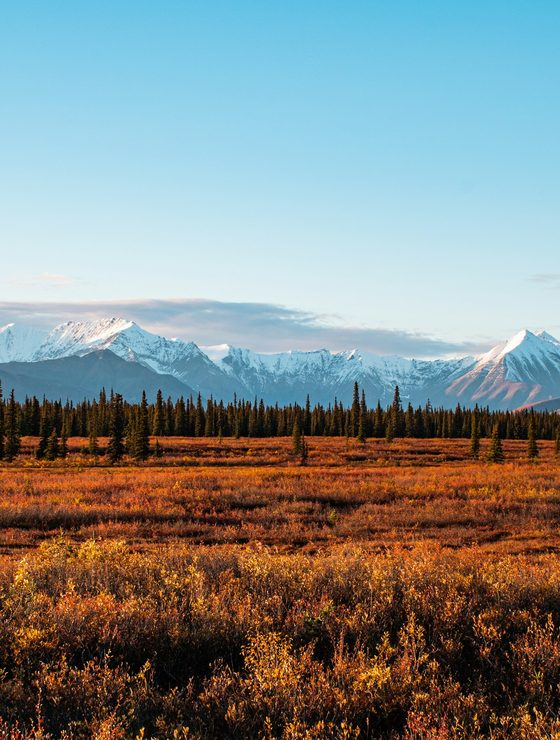
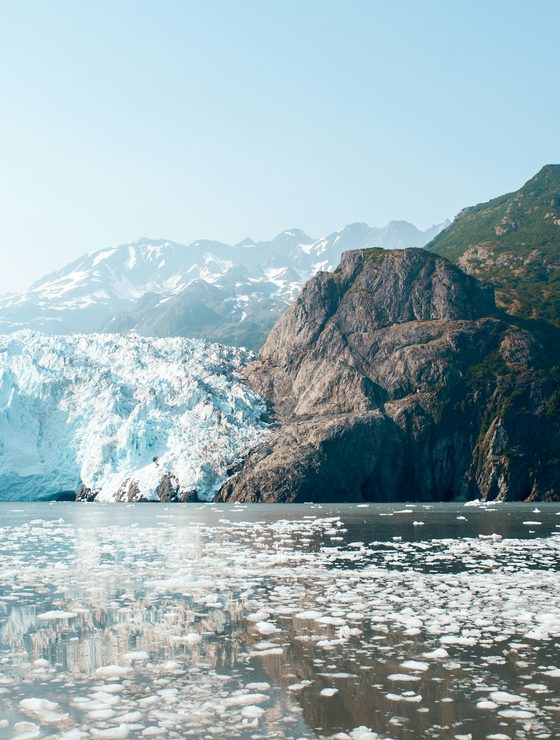
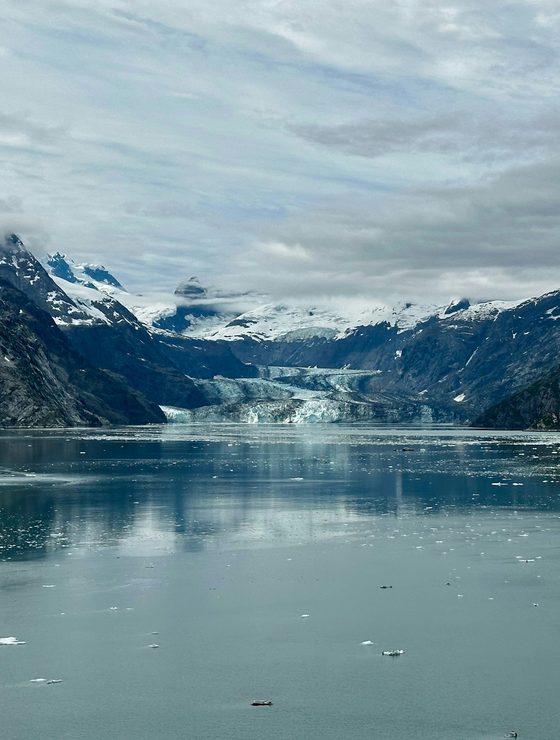
Katmai pairs best with what it lacks: mountain, ice and sea. Denali and the Interior add alpine scale and tundra wildlife; Kenai Fjords adds tidewater glaciers and whales seen from the water; the Inside Passage closes the journey by sea, through temperate rainforest and coastal towns. Two weeks in Alaska will hold Katmai plus two of those three without repeating a single kind of landscape.
Every journey here is a starting point a private advisor reshapes entirely around you — your pace, your people, the Katmai & Bear Country only you would recognise.