Will you see lava?
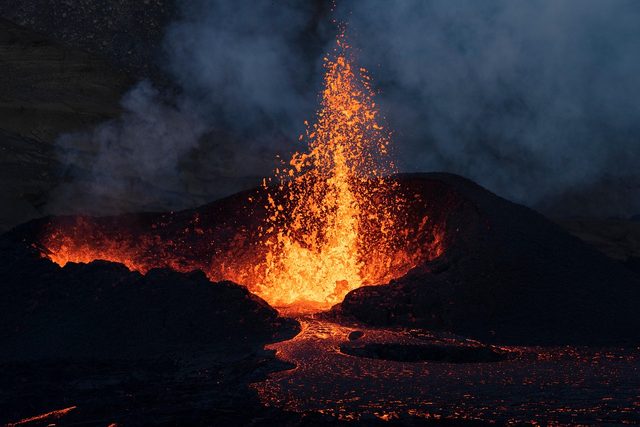
Possibly, and anyone who promises it is selling you something. Kīlauea's Halemaʻumaʻu eruption has been running in episodes rather than continuously: episode 54 began at 10:30am on 25 August 2026, fountained to close on 500 feet, and was over nine hours later the same day. Between episodes the summit is paused and the crater is dark. Hawaiʻi Volcanoes National Park is open and earns its days regardless. We build the visit around the park and treat an episode as the thing you hope for, not the thing you booked.
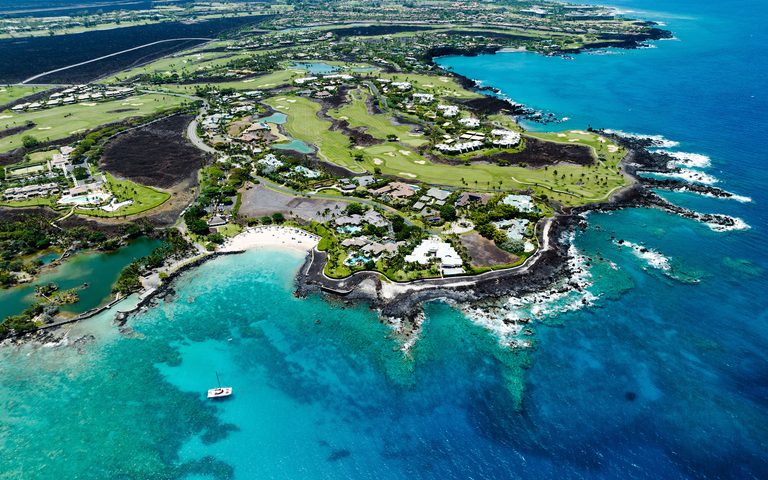
Why does the Kohala Coast cost what it costs?
Because it barely rains there. The Kohala and Kona coasts take roughly 6 to 10 inches of rain a year while Hilo, on the same island, runs around 130 — the sharpest contrast in Hawaii, and the reason every great resort on this island sits on the same dry western strip. You are paying for a climate, and here the climate changes within an hour's drive.
Can you go up Mauna Kea?
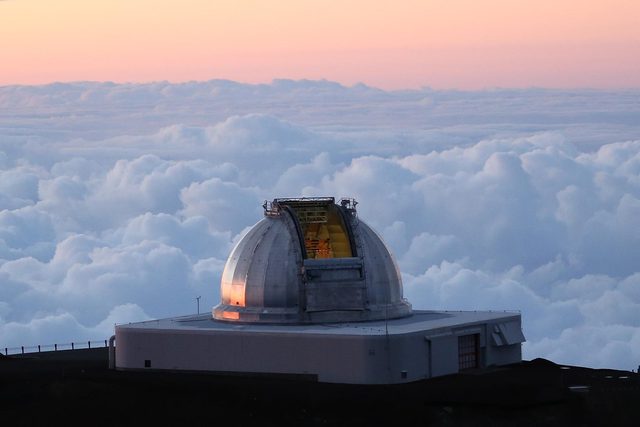
Yes, with the right vehicle and the right patience. The Visitor Information Station sits at 9,200 feet and opens daily from 9am to 9pm; above it the road is unpaved and steep, four-wheel drive in low range is required, and a small rental car stops there. Acclimatise at the station for at least half an hour. Children under 13, anyone pregnant and anyone in poor health should not go higher. Stargazing from the station itself is superb and asks none of that.
What is only here?
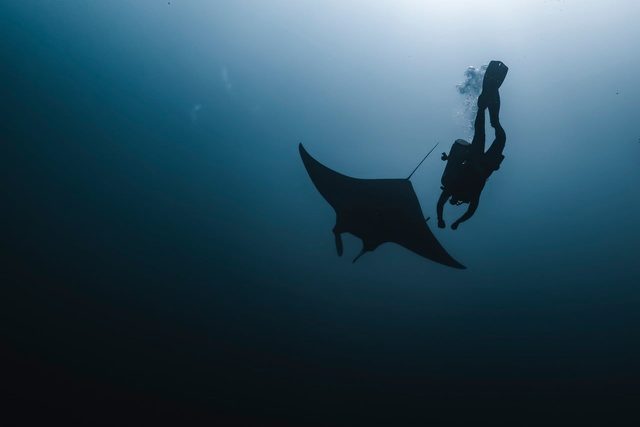
The manta rays off Kona at night, and the range. Within one island you can be on lava, in rainforest, on a dry resort coast and near-alpine on the same day — no other Hawaiian island offers that, and it is why the Big Island suits travellers who get restless with a beach.
Which coast do you sleep on?
The Kohala–Kona side almost always, and you drive to the volcano. Hilo is nearer the park and wetter by an order of magnitude, and the drive across is part of what the island is. If the volcano is the whole point, one or two nights near the park earns its place; otherwise the west coast is the base. Which island belongs to your trip.
How does it pair?
With Maui for resort-and-dining against landscape, or with Kauai for two landscape islands and no city at all. The range here does a great deal of work with children — luxury family travel — and which month, and which island sets out the calendar.