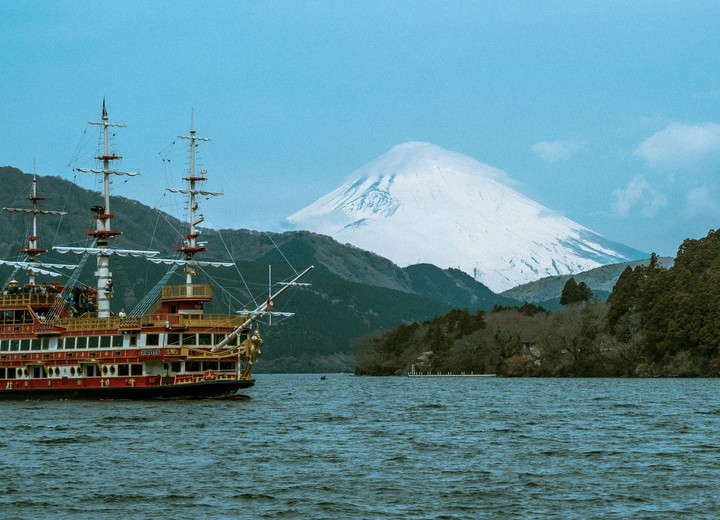
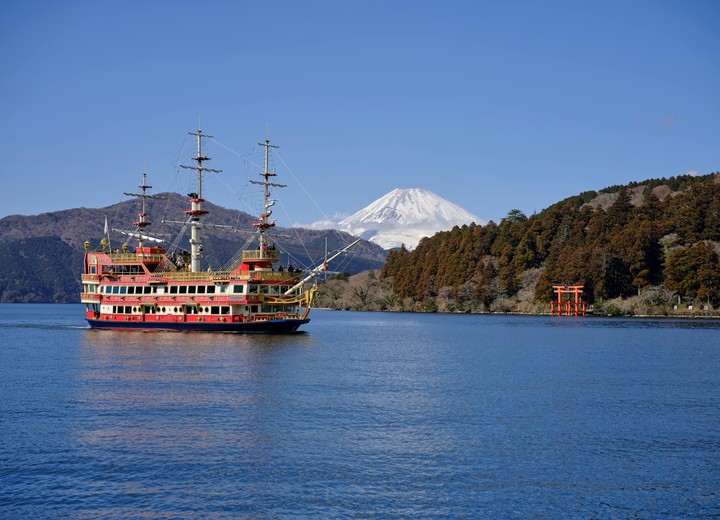
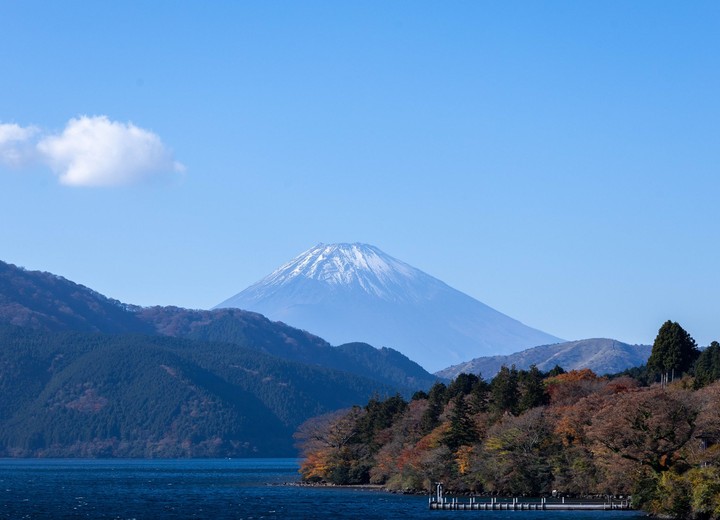
When will you actually see Mount Fuji from Hakone?
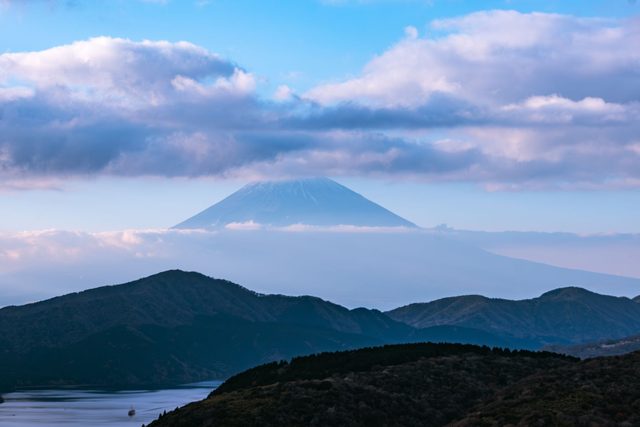
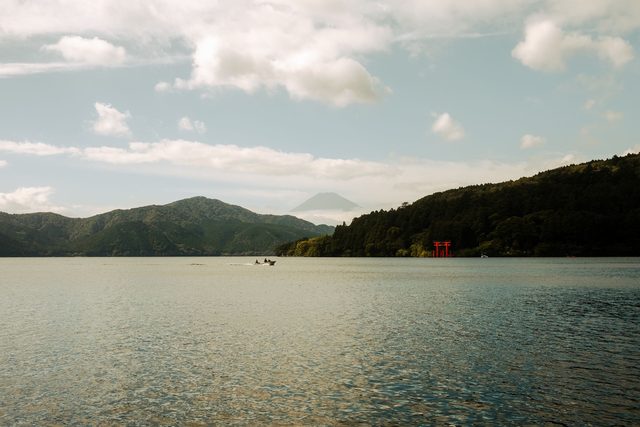
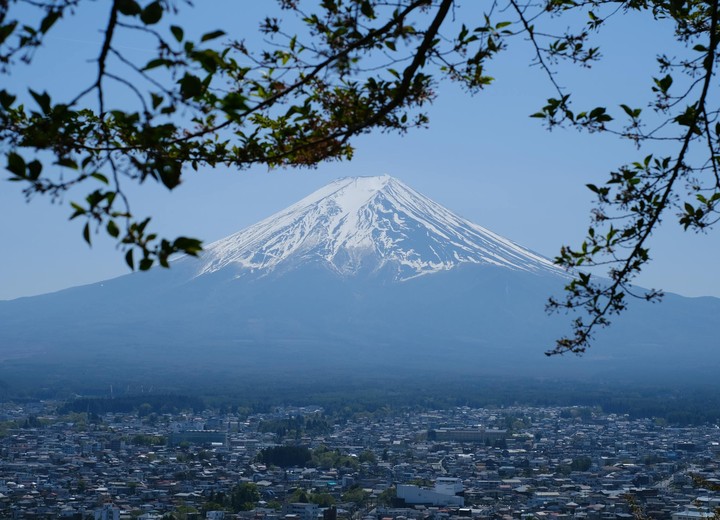
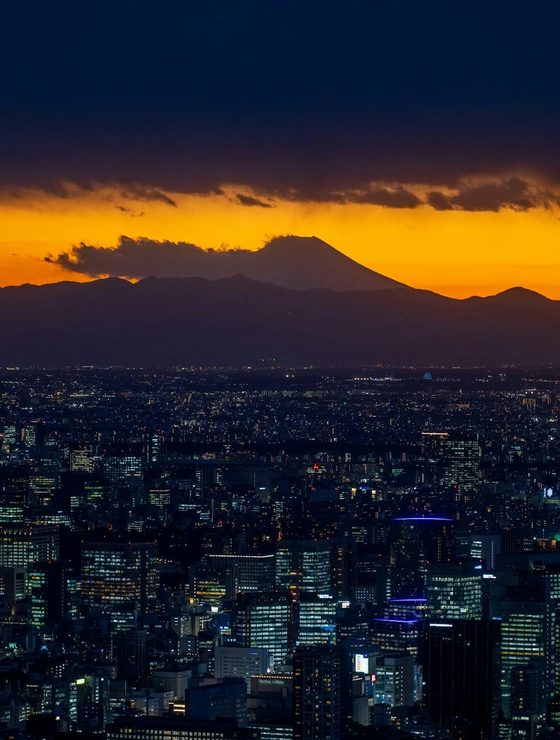
December to February, and even then not on demand. Winter air over the Kanto plain is cold and dry, and the mountain shows on the large majority of clear winter days, against a summer haze that hides it for weeks at a time; the autumn colour around Lake Ashi peaks in the first half of November. Two honest qualifications. From Hakone you see part of the mountain across ridgelines, not the postcard reflection — that view belongs to the Fuji Five Lakes — and even in the best months you are buying odds, not a photograph. We build the day so a grey morning still has a garden, a museum and a bath in it.
Which room do you actually want, and what are its rules?
A ryokan room with its own rotenburo, the open-air bath fed by Hakone's springs on your own terrace. It solves the two things that most often unsettle international guests in a communal bath — the etiquette and the fact that roughly half of Japan's hot-spring facilities still refuse visible tattoos — and it is the scarcest category on the island of Honshu in foliage season, gone months ahead for any weekend. The other rules matter as much: kaiseki is served at a set hour, usually between six and seven, and you are expected at the table; some ryokan are adults-only or restrict young children; and dinner, bath and breakfast run on the house's rhythm rather than yours.
One night or two?
Two if the ryokan is the point of the stop, one if it is a hinge. The classic route sets Hakone between Tokyo and Kyoto, about ninety minutes from Tokyo by car, and a single night gives you one dinner and one bath before the morning departure. A second night buys the thing people actually came for: an unhurried day of nothing, which is why we treat Hakone as the wellness pause in a route that is otherwise dense.
Should you do the famous loop of railway, cable car, ropeway and boat?
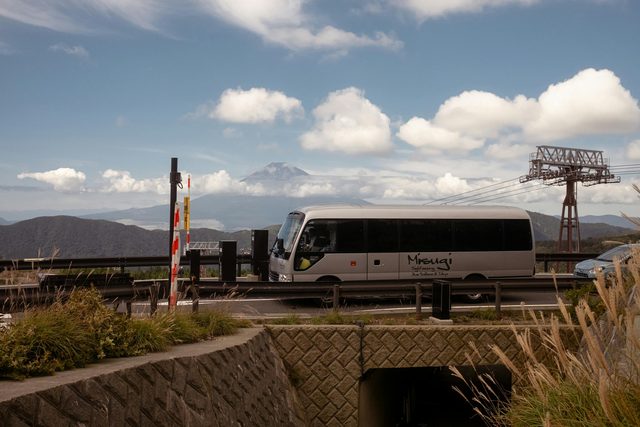
Not as a loop. The tourist circuit is charming and slow, and in peak season it is a queue with a view; we send a car and driver from Tokyo or the airports to the ryokan door and then take one or two segments — the ropeway, the lake crossing — privately or at the quietest hour. Forward the luggage by takkyubin so the mountain roads are done with an overnight bag.
What can close, and what happens then?
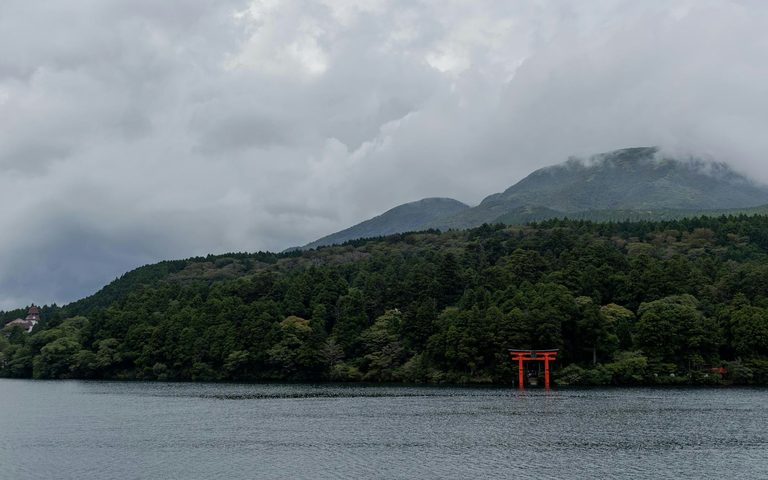
The ropeway and Owakudani, on short notice. Volcanic gas and temperature are measured continuously at the ropeway stations, and the valley, the walking trail or the whole area can shut on high gas readings, a raised alert level or strong wind; a substitute bus usually runs when the cable does not. This is normal for a live volcanic field, not a failure of planning, and it is why your itinerary here carries the Hakone Open-Air Museum with its Picasso pavilion, the Pola Museum in the forest and the lake's torii at first light as real alternatives rather than filler.
Who is Hakone not for?
Anyone who needs the Fuji photograph guaranteed, and anyone for whom a traditional room is a strain. A ryokan means tatami, low seating, a futon on the floor and, often, steps and gravel; families with restless children may find the fixed dinner hour and the quiet difficult. If Fuji itself is the objective rather than the bath, the Japan guide shows where else the mountain can sit in the route.