What changed about the cost of a Kyoto room in 2026?
The lodging tax, and at the top of the market it changed a great deal. On 1 March 2026 Kyoto replaced its three-tier tax with five bands — ¥200, ¥400, ¥1,000, ¥4,000 and ¥10,000 — charged per person, per night on the room rate before meals and consumption tax. Rooms of ¥100,000 or more now carry ¥10,000 per person, per night, the highest hotel tax in Japan: two people over five nights pay ¥100,000 in tax alone. It is not a reason to avoid Kyoto, but it is a real line in the budget, and it is one reason some travellers now sleep in Osaka and spend their days here.
What genuinely has to be applied for, months ahead?
The two places most travellers assume are simply ticketed. Katsura Imperial Villa is visited only on a guided tour of about an hour, applied for online through the Imperial Household Agency; when a slot is oversubscribed a lottery decides it and results come by email within three business days. Children under twelve are not admitted at all, and no one under eighteen may enter Shugakuin Imperial Villa or the Sento Imperial Palace — a detail that has undone more than one family itinerary. Saiho-ji, the moss temple, takes online bookings two months ahead at ¥4,000 plus a ¥110 fee, and the visit begins with sutra copying inside the hall before the garden. These are calendars we work, not doors we own.
What can we not get you into?
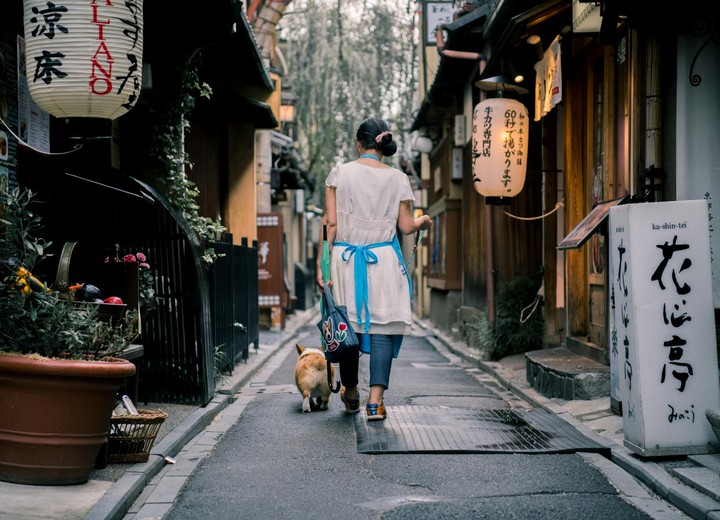
Gion's private alleys, and we would rather say so. Since 2024 the residents' council has closed the marked private lanes off Hanamikoji to visitors, with a ¥10,000 penalty; the public streets, Yasaka Shrine and Tatsumi Bridge remain open to everyone. Most of the crowd-free Kyoto you have seen photographed is not privileged access at all — it is being at the gate when a temple opens, often before seven, with a car waiting. Where a temple or garden does grant a genuine out-of-hours viewing, we name it and confirm it in writing, and we do not imply it for the rest.
Blossom or maples, and when do the rooms actually go?
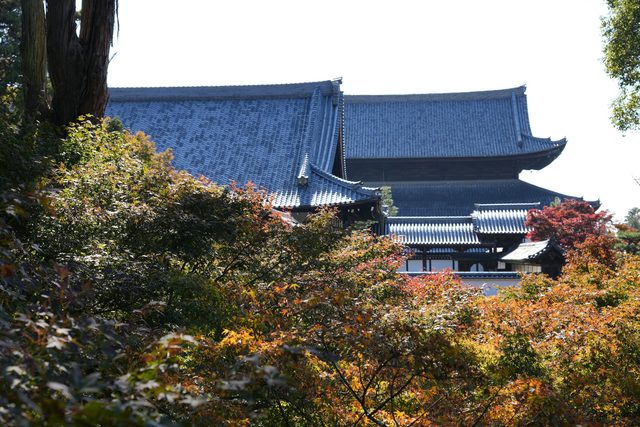
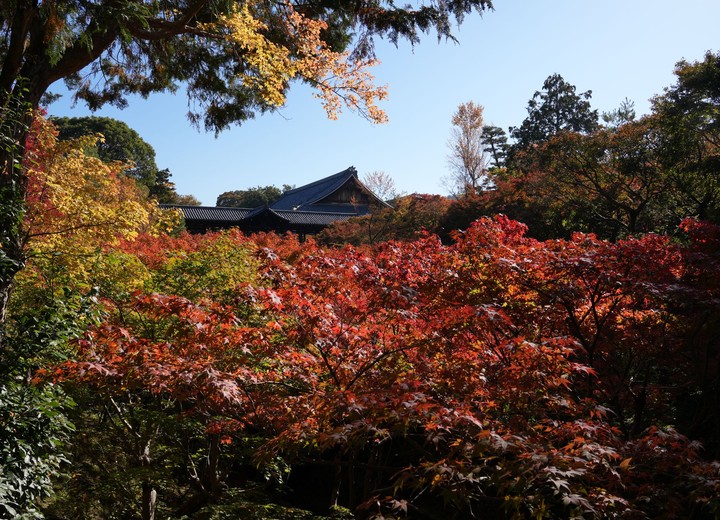
Sakura peaks late March to early April — full bloom was forecast for 31 March in 2026 — and koyo, the autumn colour, mid-to-late November at Tofuku-ji and Eikan-do. For either window, the ryokan and machiya worth having are confirmed six to twelve months out, and the tax band above applies to exactly those rooms. Golden Week in early May is the one period we steer away from outright.
Is the kaiseki reservation realistic?
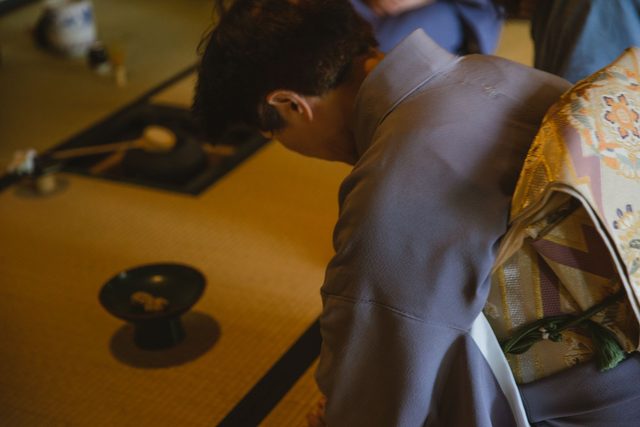
Yes, with the same sequencing as the hotel. The 2026 Michelin guide lists 244 restaurants in Kyoto, six of them at three stars, and kaiseki here is a fixed seasonal menu over two to three hours with a single sitting. Those tables release one to three months ahead, several only by introduction, and cancellation fees apply. A private tea ceremony with a qualified master, and an engagement with a maiko or geiko under proper protocol, are arranged the same way — early, in writing, and never as a walk-in.
Who is Kyoto wrong for?
Anyone who wants to improvise, and anyone expecting an empty city. Kyoto rebuilt its tax because of crowding, not in spite of it; the temples are dispersed enough that a private car and guide beat taxis, and the gravel, steps and floor seating of a traditional stay are demanding for limited mobility. If your interest is the culture rather than the calendar, the cultural journey is the better starting point; for the wider route, see the Japan guide.