How many nights does Osaka merit, and why is two usually right?
Two, because Osaka's value is as a counterweight rather than a base. Kyoto is about fifteen minutes away by rapid train and Nara thirty to forty, so the refined Kansai routing keeps the temples in Kyoto and gives Osaka the evenings: counters, markets, a river that is worth a private boat after dark. A third night earns its place only if you are using the city for day trips to Himeji or Koyasan rather than adding sights inside it.
How good is the dining here, in numbers rather than adjectives?
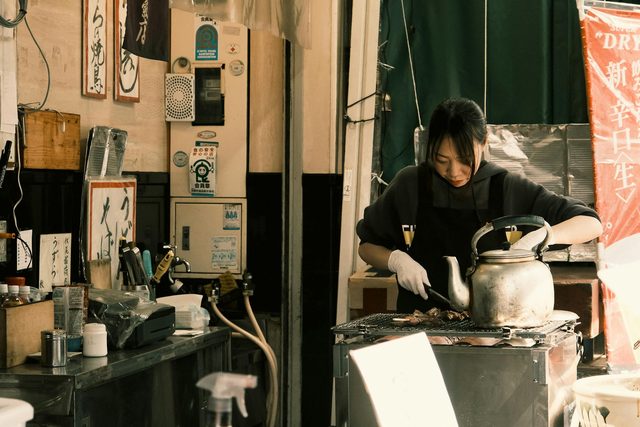
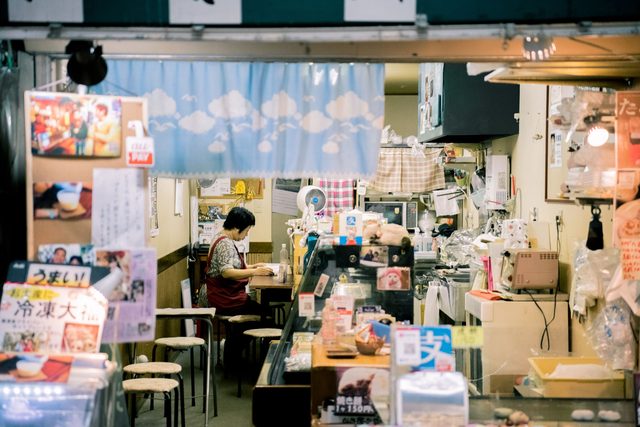
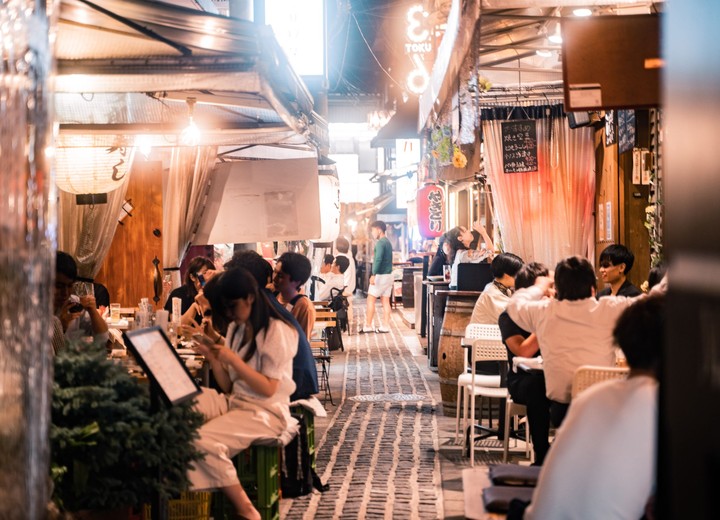
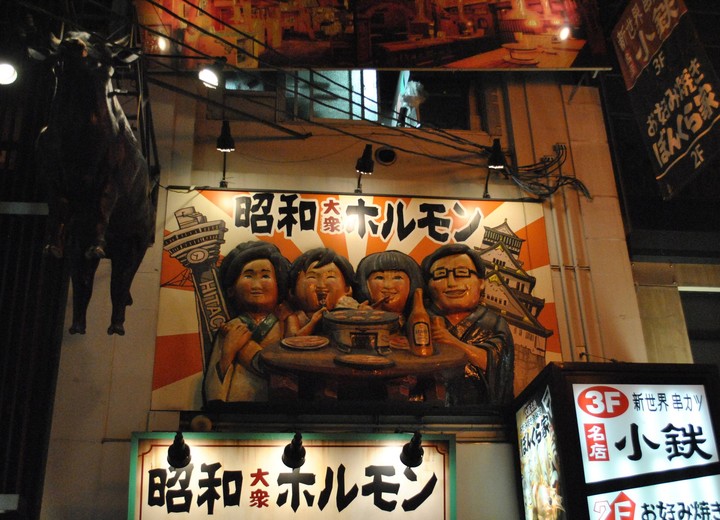
The 2026 Michelin guide lists 235 restaurants in Osaka: three at three stars, twelve at two and sixty-six at one. The city earns its nickname twice over — once at the counters, once in the street food of Dotonbori and Kuromon market — and the sensible itinerary uses both, a guided tasting through takoyaki, okonomiyaki and kushikatsu by day and a reserved counter at night. Those counters seat very few and release one to three months ahead, some only by introduction, so the dining calendar sets the dates. If food is the reason for the whole journey, start from the culinary route.
What changed on your bill in 2026?
How the accommodation tax is charged, not how much it is. Osaka's rates held: nothing below ¥5,000 per person per night, ¥200 from ¥5,000, ¥400 from ¥15,000 and ¥500 from ¥20,000. But from 1 March 2026 it is billed separately from the room rate and collected on site even on prepaid stays, and licensed private lodgings now collect it too. Set beside Kyoto's new top band of ¥10,000 per person, per night, the gap is large enough that some travellers now base themselves here and commute to the temples — a legitimate strategy, and one we will cost out for you honestly.
What should you not expect to find?
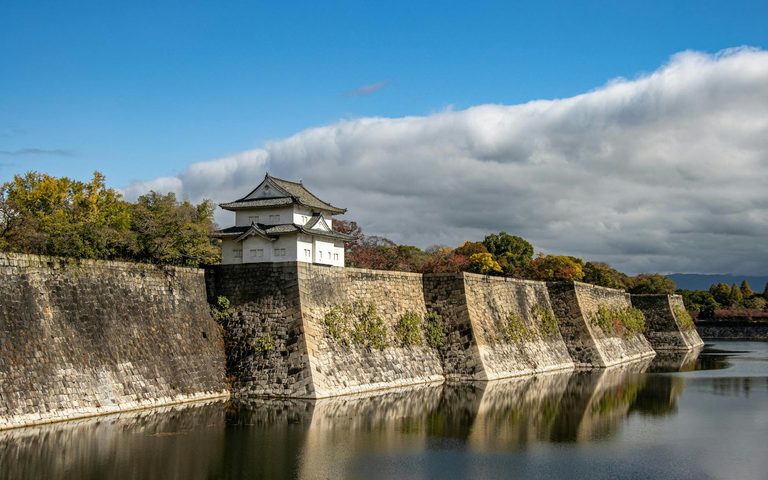
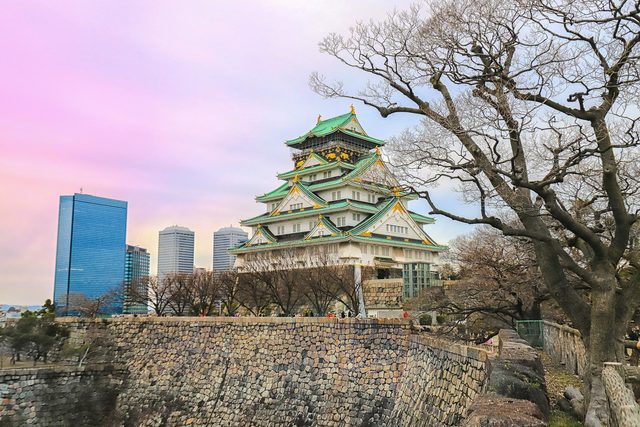
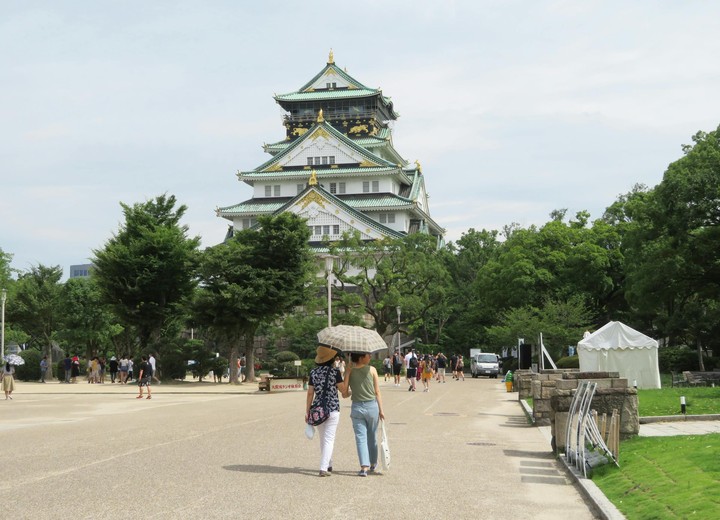
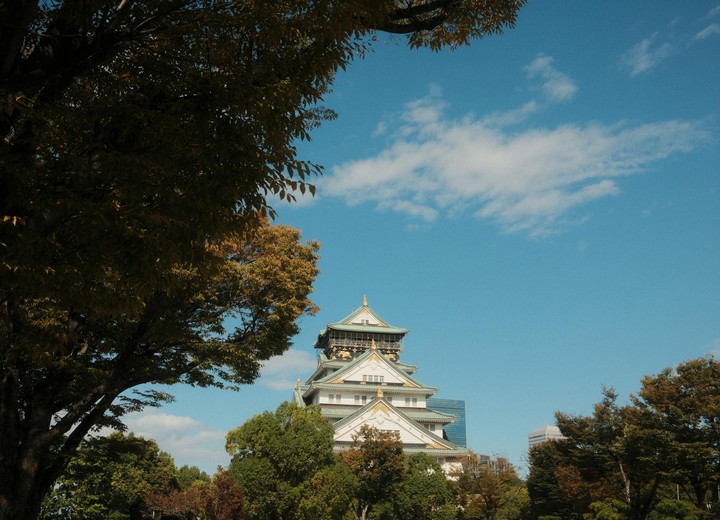
Expo 2025. The site on Yumeshima closed on 13 October 2025 and the island moved into dismantling and then construction for the integrated resort; there is nothing there to visit, whatever an older article suggests. Two other honest notes: Osaka Castle's main tower is a 1931 reconstruction rather than a surviving keep, best seen for the park and the early-April blossom around it, and Dotonbori and Kuromon are worth the morning rather than the evening if you dislike being pressed by crowds.
How does Osaka work as your arrival or departure city?
Very well, and it is the reason to consider an open-jaw itinerary. Kansai International is forty-five minutes to an hour from the centre by car, which we arrange rather than the airport train, and Shin-Osaka reaches Tokyo by Shinkansen in about two and a half hours. Flying into Kansai and out of Haneda, or the reverse, removes a backtrack of several hours from a two-capital route — see the Japan guide for how the days then divide.
Who is Osaka not for?
Anyone coming for beauty. Osaka was largely rebuilt after 1945 and reads as commercial, loud and modern; the pleasure of it is appetite and warmth, not architecture, and travellers whose Japan is temples and gardens should give those nights to Kyoto or to the art islands of Naoshima instead. It is also the wrong city for a traveller who wants to eat spontaneously at the top level: here more than anywhere, the good tables were booked before you arrived.