Osaka for the Family
Japan's most entertaining city explained through food — the morning ramen market with a chef, an okonomiyaki lesson at a school where the youngest in the family makes their own pancake, the Osaka Aquarium, and the castle explained as a battle story. A private, tailored journey of 8 Days · 7 Nights in Osaka, Japan, designed end to end by a Forest Travel advisor — with Virtuoso privileges at the finest luxury hotels, from US$18,500 per traveler.
- Ideal length: 8 Days · 7 Nights
- Best time: Late March through mid-April brings the cherry blossoms, while November paints the maples crimson and the summer crowds recede.
- Private guiding, access and transfers throughout
- From US$18,500 per traveler — a starting point, tailored to you
- Designed one-to-one by a Forest Travel advisor
- Virtuoso privileges at the finest luxury hotels
Japan's most entertaining city explained through food — the morning ramen market with a chef, an okonomiyaki lesson at a school where the youngest in the family makes their own pancake, the Osaka Aquarium, and the castle explained as a battle story. A private, tailored journey of 8 Days · 7 Nights in Osaka, Japan, designed end to end by a Forest Travel advisor — with Virtuoso privileges at the finest luxury hotels, from US$18,500 per traveler.
Japan rewards those who slow down, offering a rare intimacy between ancient ritual, precise craft and quiet natural beauty.
When to go
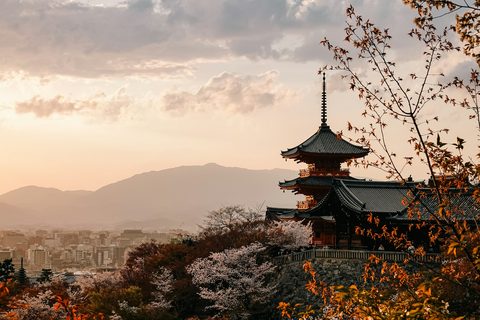
Late March through mid-April brings the cherry blossoms, while November paints the maples crimson and the summer crowds recede. Your advisor times it to the light, the crowds and your own calendar.
The experiences
A sense of what this journey can hold — each one arranged privately and shaped to you:
- A private early-morning visit to Kuromon Ichiba Market with a resident chef who turns the catch into breakfast, explaining every stall to the children in plain, vivid terms.
- An okonomiyaki session at a Namba cooking school where the youngest family member flips their own pancake onto the iron plate and plates it themselves.
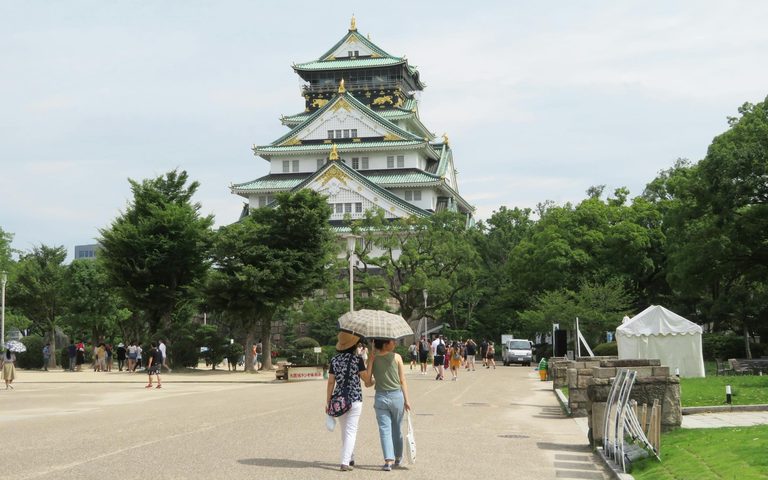
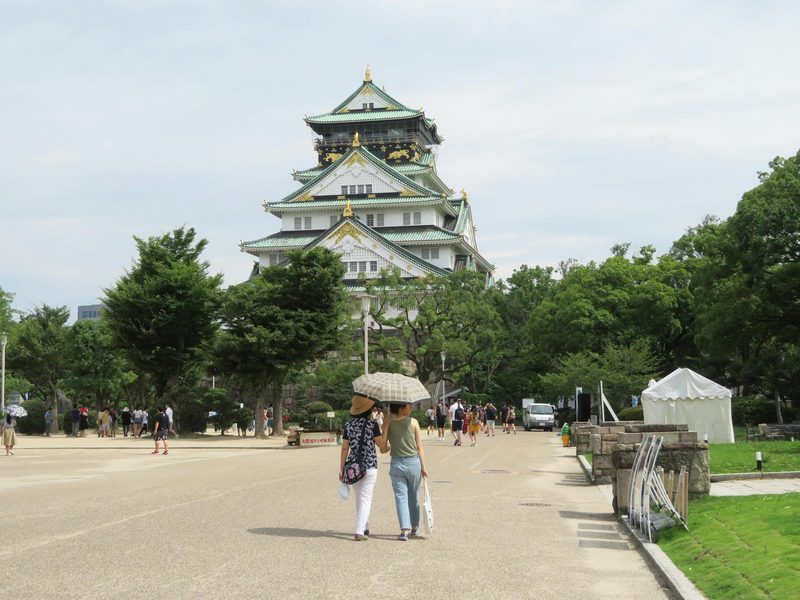
- A guided walkthrough of Osaka Castle framed entirely as a battle narrative — the siege of 1615, Tokugawa tactics, and the hidden stone-drop windows — so teenagers leave with a story, not a checklist.
- A private evening at Osaka Aquarium Kaiyukan, including a backstage pass to the whale shark feeding route before the general public arrives the following morning.
A sense of the rhythm
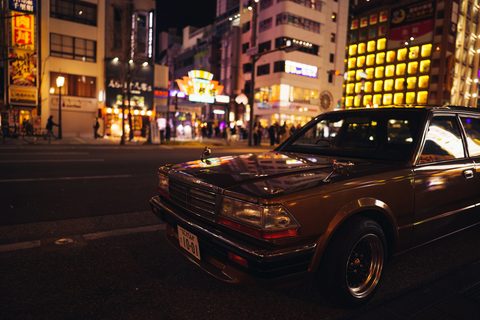
Osaka rewards families who move at a human pace — mornings anchored in a neighbourhood market or kitchen, afternoons at a landmark that earns its place in the itinerary through storytelling rather than obligation. Evenings on Dotonbori are genuinely joyful: neon, takoyaki, and no agenda. By day four, children navigate the subway exits themselves.
Whether to base the family in Shinsaibashi or split nights between Osaka and Kyoto
Shinsaibashi places everything — Dotonbori, Kuromon Market, the aquarium, and the castle — within a short taxi or subway ride, which matters enormously when travelling with children across multiple time zones. Splitting nights sounds appealing but adds packing, transit stress, and lost afternoon hours that families rarely recover. We recommend anchoring all seven nights in Osaka and building one or two day-trip arcs to Kyoto or Nara as unhurried excursions with a private driver, so the children have a home base they recognise by night two.
How to do it well
The counsel our advisors give travelers planning this journey:
- Book the Kaiyukan backstage experience at least three months in advance — the slots available before public opening are limited and fill with school groups from February onward.
- Plan arrival for late March to early April if school calendars allow: cherry blossoms along the castle moat are at their peak and the grounds become a natural classroom before the crowds arrive mid-morning.
- Request a guide who holds a Osaka Tourism Ambassador credential and has documented experience with mixed-age family groups — the castle narrative lands very differently when pitched at both a seven-year-old and a fourteen-year-old simultaneously.
- The Dotonbori food crawl works best on a weeknight; Friday and Saturday evenings bring local crowds that, while festive, are genuinely difficult to navigate with younger children — we schedule it for Tuesday or Wednesday.
What only your advisor can open
The difference between a good trip and an unrepeatable one is access — and access is a relationship, not a booking. Every guide, room and moment is chosen and sequenced for you.
Who it's for
Travelers who value privacy, time and doing it once — beautifully — and who would rather have one trusted advisor orchestrate every detail than assemble it themselves.
Estimated investment
From US$18,500 per traveler, based on double occupancy — scaled to your dates, party size and level of privacy. A starting point, not a final quote; confirmed once your advisor tailors the itinerary.
Designed entirely around you
Nothing here is a package. A Forest Travel advisor shapes the whole journey and stays one message away before and throughout your trip.
Your Virtuoso privileges
As a Virtuoso member, Forest Travel includes benefits reserved for Virtuoso guests at the finest luxury hotels, at no added cost: a room upgrade on arrival when available, daily breakfast for two, a property credit toward dining or spa, and early check-in with late check-out when the hotel allows.
Continue exploring Osaka
Part of our Osaka travel guide. Related private journeys:
Begin the conversation
Tell a Forest Travel advisor how you like to travel and they will design Osaka for the Family around you — privately, every Virtuoso privilege included. Request your private consultation →
Questions, answered.
Shinsaibashi places everything — Dotonbori, Kuromon Market, the aquarium, and the castle — within a short taxi or subway ride, which matters enormously when travelling with children across multiple time zones. Splitting nights sounds appealing but adds packing, transit stress, and lost afternoon hours that families rarely recover. We recommend anchoring all seven nights in Osaka and building one or two day-trip arcs to Kyoto or Nara as unhurried excursions with a private driver, so the children have a home base they recognise by night two.
Book it at least three months ahead. The slots before public opening are limited and fill with school groups from February onward. The experience is a private evening at Kaiyukan with a backstage pass to the whale shark feeding route before the general public arrives the following morning, so securing it early is the one booking that cannot wait.
A weeknight, ideally Tuesday or Wednesday. Friday and Saturday evenings bring local crowds that, while festive, are genuinely difficult to navigate with younger children. On a quieter night, Dotonbori is simply joyful: neon, takoyaki and no agenda, an easy way to close a day that began at a neighbourhood market or kitchen.
Ask for a guide who holds an Osaka Tourism Ambassador credential and has documented experience with mixed-age family groups. The castle walkthrough is framed as a battle narrative, covering the siege of 1615, Tokugawa tactics and the hidden stone-drop windows, and it lands very differently when pitched at a seven-year-old and a fourteen-year-old at once. The goal is that teenagers leave with a story, not a checklist.
8 Days · 7 Nights is the suggested length, with all seven nights anchored in Osaka, ideally Shinsaibashi, so Dotonbori, Kuromon Market, the aquarium and the castle sit a short taxi or subway ride away. Mornings center on a market or kitchen, such as Kuromon Ichiba with a resident chef or an okonomiyaki lesson in Namba; afternoons go to a landmark told through story, like the castle or Kaiyukan; evenings belong to Dotonbori. One or two unhurried day trips to Kyoto or Nara with a private driver round it out, and by day four the children navigate the subway exits themselves.
As a private, tailored journey it starts from roughly US$18,500 per traveler (double occupancy) and scales with your dates, party and level of privacy — a starting point, never a fixed package price. Your advisor confirms the figure once the itinerary is tailored.
Late March through mid-April is the cherry blossom season, and the guide suggests arriving late March to early April if school calendars allow: the blossoms along the castle moat are at their peak and the grounds become a natural classroom before the crowds arrive mid-morning. November is the other lovely window, when the maples turn crimson and the summer crowds recede. Whatever your dates, book the Kaiyukan backstage slots at least three months ahead, as school groups fill them from February onward.
The Kuromon Ichiba Market visit in Osaka is a private early-morning walk with a resident chef who turns the catch into breakfast and explains every stall to the children in plain, vivid terms. It sets the tone for a family journey told through food, and it reflects the rhythm the trip follows: mornings anchored in a neighbourhood market or kitchen, before an afternoon at a landmark such as the castle or the aquarium.
Yes. At the okonomiyaki session at a Namba cooking school in Osaka, the youngest family member flips their own pancake onto the iron plate and plates it themselves. The lesson is one of the kitchen mornings that anchor this family journey, and Namba sits close to a Shinsaibashi base, so it fits easily before an afternoon at a landmark and an evening of neon and takoyaki on Dotonbori.
Japan
See the collection →Tell a private advisor how you like to travel — no quotes, no obligation.
Speak With a Luxury Travel AdvisorA real person answers: an in-house luxury travel advisor, in English or Spanish. The first conversation is complimentary.