Which district should you actually sleep in?
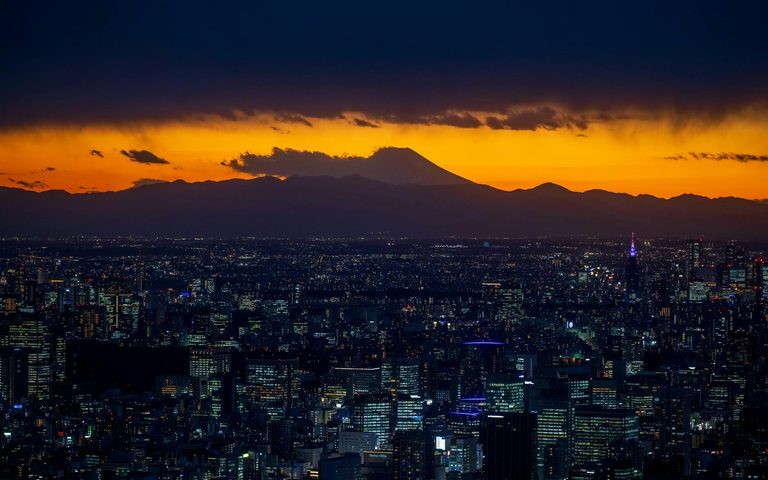
Marunouchi, if you want quiet and the shortest walk to a Shinkansen platform; Ginza if the trip is built around dining and flagship shopping; Roppongi for the museums and contemporary design; Shibuya if you want the city awake outside the door. Tokyo is not one city but four or five, and the district you choose decides more about the week than the hotel does. Three or four nights is the right length — enough for two neighbourhoods, two museums and one day trip to Nikko or Kamakura without a rushed morning.
Can the counters really be secured, and how far ahead?
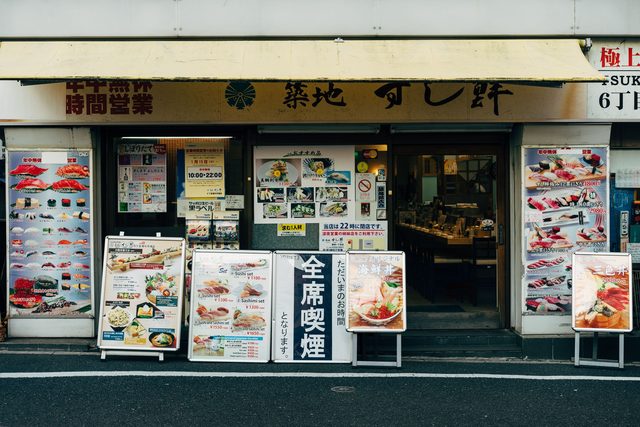
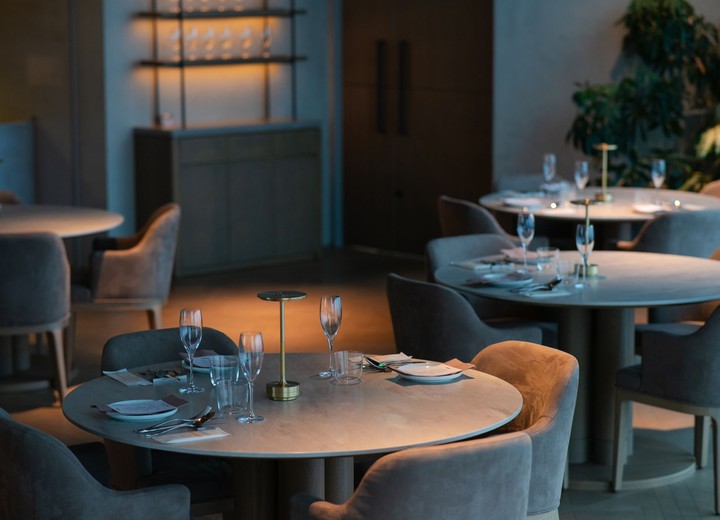
Usually, but the sequence matters more than the effort. Tokyo held the Michelin crown again in the 2026 guide with 160 starred restaurants, twelve of them at three stars, and the leading sushi, tempura and kaiseki rooms seat eight to twelve people. Those seats open one to three months before the date, not a year — some houses take bookings only through introduction or membership, and cancellation fees are normal. So the hotel is settled a year out and the table roughly two months out, which is why we ask for your dining priorities early and then work a calendar rather than a wish list. We will tell you plainly when a room is beyond reach in your window.
What has to be booked before you land, and what is closed?
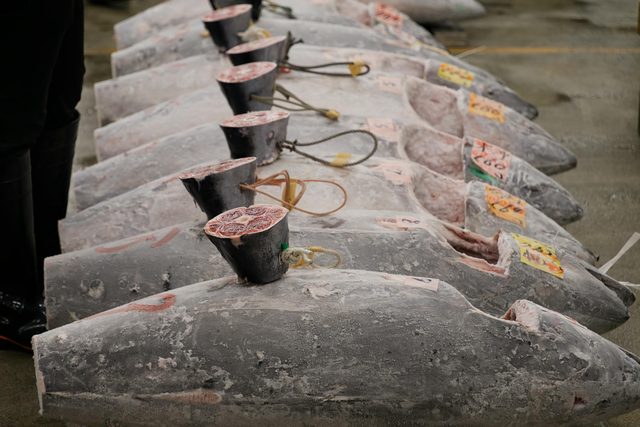
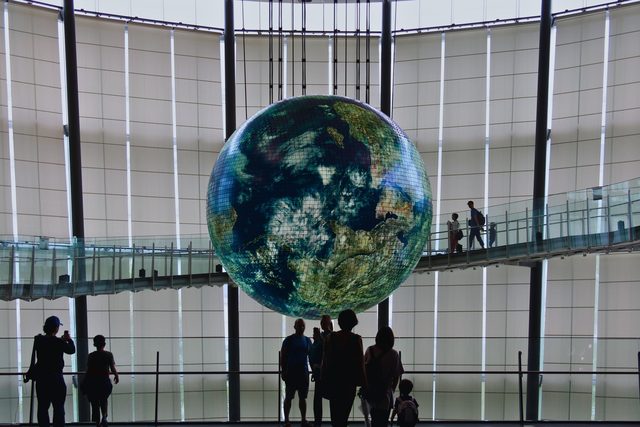
Anything with a timed entry, and two significant closures. The teamLab museums and Shibuya Sky sell timed slots that go weeks ahead; the lower observation deck at the Toyosu tuna auction is allocated by official lottery, while the upper viewing windows are free and open to anyone who arrives before dawn. Miraikan, the national science museum, is closed for renovation from 1 October 2026 until 22 April 2027, and the Mori Art Museum closes on 24 September 2027 until late April 2028 — worth knowing if a family itinerary was built around either.
When is Tokyo at its best, and when should you stay away?
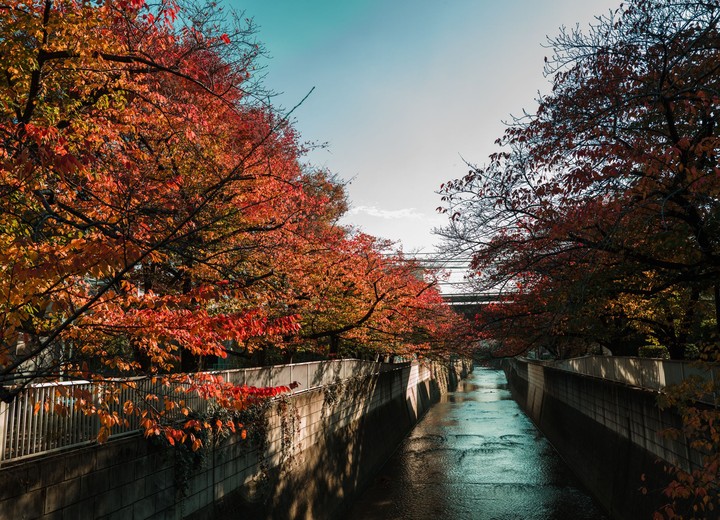
Late March to early April and late November into early December. Tokyo's sakura peaked on 28 March in 2026, and its autumn colour turns at much the same time as Kyoto's — the Japan Meteorological Agency's averages put the maples on 28 November in Tokyo and 5 December in Kyoto — so a single late-November trip can catch both. Avoid Golden Week (25 April to 6 May), Obon (8 to 17 August) and the year-end days (26 December to 4 January): the Nozomi runs fully reserved, hotels price accordingly and the city's best restaurants close. August is hot and humid enough to reshape a day around indoor hours.
Haneda or Narita, and how do you move at night?
Haneda, whenever the routing allows — thirty to forty-five minutes to central Tokyo against an hour or more from Narita, and the difference lands on your first evening. We put a car and driver on every airport and intercity transfer; the rail network is superb but not with luggage or after a long dinner. Between cities, forward the bags by takkyubin: next-day delivery between the major Honshu cities, up to 160 cm combined and 25 kg per case, so you travel with an overnight bag and meet your luggage at the next hotel.
Who is Tokyo not for?
Travellers who want a walkable, legible city they can finish. Tokyo asks for transfers, translation and a certain tolerance for scale, and a first-timer who wants one beautiful neighbourhood and a slow week is better served by Kyoto or a ryokan at Hakone. If dining is the whole point of the journey, say so at the start — see our culinary Japan — because the restaurant calendar, not the hotel, should then set the dates. The wider route is on the Japan guide.