Tokyo in Autumn
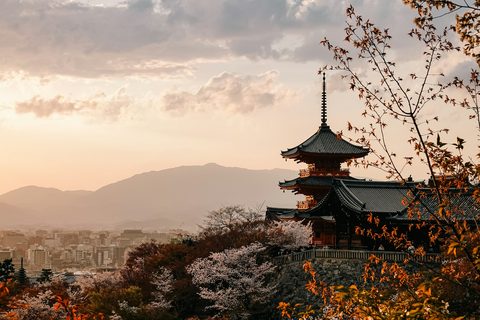
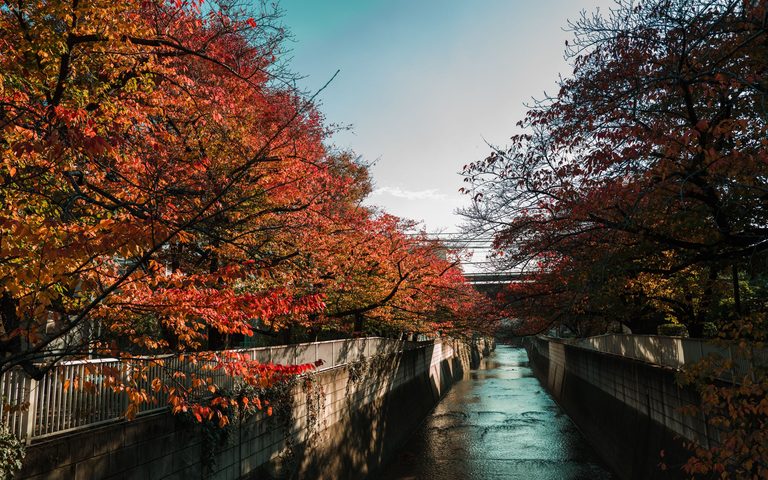
The koyo season in November — Rikugien's illuminated maple garden reserved for a private morning visit, Shinjuku Gyoen at first light, and the kaiseki counter in Akasaka where the menu changes with each maple variety that turns. A private, tailored journey of 7 Days · 6 Nights in Tokyo, Japan, designed end to end by a Forest Travel advisor — with Virtuoso privileges at the finest luxury hotels, from US$12,800 per traveler.
- Ideal length: 7 Days · 6 Nights
- Best time: From March to April and from October to November, the best window for Tokyo.
- Private guiding, access and transfers throughout
- From US$12,800 per traveler — a starting point, tailored to you
- Designed one-to-one by a Forest Travel advisor
- Virtuoso privileges at the finest luxury hotels
The koyo season in November — Rikugien's illuminated maple garden reserved for a private morning visit, Shinjuku Gyoen at first light, and the kaiseki counter in Akasaka where the menu changes with each maple variety that turns. A private, tailored journey of 7 Days · 6 Nights in Tokyo, Japan, designed end to end by a Forest Travel advisor — with Virtuoso privileges at the finest luxury hotels, from US$12,800 per traveler.
Japan rewards those who slow down, offering a rare intimacy between ancient ritual, precise craft and quiet natural beauty.
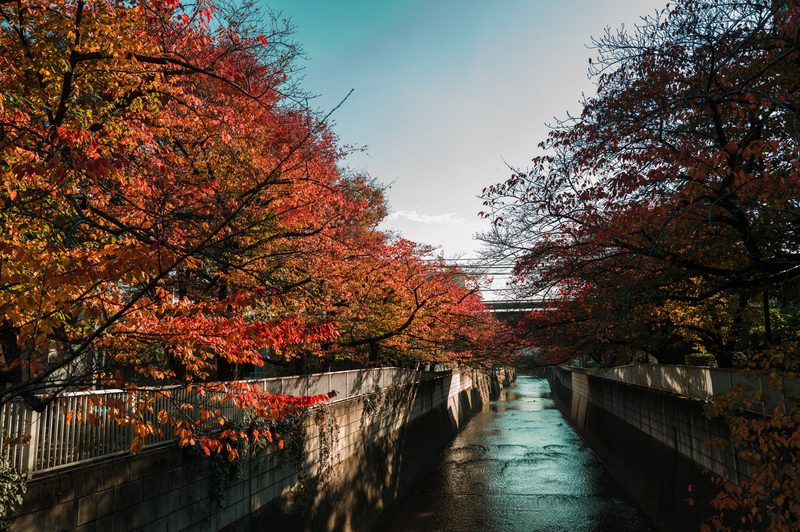
When to go
From March to April and from October to November is the best window for Tokyo. Your advisor times it to the light, the crowds and your own calendar.
The experiences
A sense of what this journey can hold — each one arranged privately and shaped to you:
- A private early-morning entry to Rikugien Garden before public gates open, walking the inner circuit as the illuminated maples fade into dawn light — arranged with the park authority months in advance.
- A reserved seat at a kaiseki counter in Akasaka where the chef builds each course around the specific maple variety currently at peak colour, sourcing leaves from Kyoto's Tamba highlands that week.
- A guided koyo-tracking itinerary built around real-time foliage data, routing you each morning to whichever pocket of the city — Hamarikyu, Shinjuku Gyoen, Yanaka Cemetery — is at its precise peak that day.
- A private session with a textile conservator in the Nishi-Ogikubo antiques district, selecting lacquerware and resist-dyed fabrics whose autumn motifs connect directly to the season you are witnessing outside.
A sense of the rhythm
Days begin early and quietly — first light at a garden, then a slow breakfast before the city wakes. Afternoons move between neighbourhoods at a deliberate pace, following the foliage rather than a fixed map. Evenings anchor in serious restaurants where the autumn menu is the whole conversation.
Whether to centre the itinerary on the koyo peak in the city parks or extend a day trip to Nikko or Hakone for mountain foliage
Tokyo's own koyo — Rikugien, Shinjuku Gyoen, Hamarikyu — peaks from late November into early December and rewards a traveler who stays put and follows it daily rather than chasing it across prefectures. Nikko and Hakone turn two to three weeks earlier, so combining both in a single trip usually means compromising the peak of one. We generally advise choosing the elevation that matches your travel dates precisely and building the rest of the week around Tokyo, where private garden access and the kaiseki season are logistically impossible to replicate on a day trip. If mountain foliage is essential, we can structure an opening night in Hakone and return to the capital before the city parks reach their best.
How to do it well
The counsel our advisors give travelers planning this journey:
- Request private early-access permits for Rikugien by late August at the latest — the park authority limits these arrangements and November slots are claimed first by returning guests.
- Book kaiseki counters in Akasaka and Ginza for November no earlier than the restaurant's reservation window opens, typically sixty to ninety days out, and specify that you are travelling for koyo so the kitchen can plan its seasonal menu around your visit.
- Travel between the last week of November and the first week of December for the most reliable overlap between illuminated-garden events and peak foliage colour — Rikugien's evening illumination ran from 28 November to 9 December in 2025; the first half of November is usually too early in the inner-city parks.
- Build at least one unscheduled afternoon into the week — koyo is weather-dependent and the best light after overnight rain, when the maples are still wet, often makes an unplanned garden visit the memory of the trip.
What only your advisor can open
The difference between a good trip and an unrepeatable one is access — and access is a relationship, not a booking. Every guide, room and moment is chosen and sequenced for you.
Who it's for
Travelers who value privacy, time and doing it once — beautifully — and who would rather have one trusted advisor orchestrate every detail than assemble it themselves.
Estimated investment
From US$12,800 per traveler, based on double occupancy — scaled to your dates, party size and level of privacy. A starting point, not a final quote; confirmed once your advisor tailors the itinerary.
Designed entirely around you
Nothing here is a package. A Forest Travel advisor shapes the whole journey and stays one message away before and throughout your trip.
Your Virtuoso privileges
As a Virtuoso member, Forest Travel includes benefits reserved for Virtuoso guests at the finest luxury hotels, at no added cost: a room upgrade on arrival when available, daily breakfast for two, a property credit toward dining or spa, and early check-in with late check-out when the hotel allows.
Continue exploring Tokyo
Part of our Tokyo travel guide. Related private journeys:
Begin the conversation
Tell a Forest Travel advisor how you like to travel and they will design Tokyo in Autumn around you — privately, every Virtuoso privilege included. Request your private consultation →
Questions, answered.
Tokyo's own koyo — Rikugien, Shinjuku Gyoen, Hamarikyu — peaks from late November into early December and rewards a traveler who stays put and follows it daily rather than chasing it across prefectures. Nikko and Hakone turn two to three weeks earlier, so combining both in a single trip usually means compromising the peak of one. We generally advise choosing the elevation that matches your travel dates precisely and building the rest of the week around Tokyo, where private garden access and the kaiseki season are logistically impossible to replicate on a day trip. If mountain foliage is essential, we can structure an opening night in Hakone and return to the capital before the city parks reach their best.
Request the private early-access permit for Rikugien by late August at the latest. The park authority limits these arrangements, and November slots are claimed first by returning guests. The visit is arranged with the park authority months in advance and lets you enter before the public gates open, walking the inner circuit as the illuminated maples fade into dawn light.
Book as soon as the restaurant's reservation window opens, typically sixty to ninety days out, for counters in Akasaka and Ginza. Tell them you are travelling for koyo so the kitchen can plan its seasonal menu around your visit. At the Akasaka counter in this journey, the chef builds each course around the maple variety at peak colour, sourcing leaves from Kyoto's Tamba highlands that week.
Rain can work in your favour. Koyo is weather-dependent, and the best light often comes after overnight rain, when the maples are still wet, which is why we advise building at least one unscheduled afternoon into the week. A koyo-tracking itinerary based on real-time foliage data also routes you each morning to whichever part of the city, such as Hamarikyu, Shinjuku Gyoen or Yanaka Cemetery, is at its peak that day.
Tokyo in Autumn is designed as 7 Days · 6 Nights. Days begin early and quietly, with first light at a garden such as Rikugien or Shinjuku Gyoen, then a slow breakfast before the city wakes. Afternoons move between neighbourhoods at a deliberate pace, following the foliage with real-time data rather than a fixed map, and evenings anchor in serious restaurants like the kaiseki counter in Akasaka. Keep at least one afternoon unscheduled for the light after overnight rain.
As a private, tailored journey it starts from roughly US$12,800 per traveler (double occupancy) and scales with your dates, party and level of privacy — a starting point, never a fixed package price. Your advisor confirms the figure once the itinerary is tailored.
For this journey, go in autumn, between the last week of November and the first week of December. Tokyo's koyo at Rikugien, Shinjuku Gyoen and Hamarikyu peaks from late November into early December, and this window gives the most reliable overlap between illuminated-garden events and peak colour; Rikugien's evening illumination ran from 28 November to 9 December in 2025. The first half of November is usually too early in the inner-city parks. Your advisor times it to the light, the crowds and your calendar.
On Tokyo in Autumn, you spend a private session with a textile conservator in Tokyo's Nishi-Ogikubo antiques district, selecting lacquerware and resist-dyed fabrics. Their autumn motifs connect directly to the season you are witnessing outside, so the pieces echo the maples you have been following in the city's gardens. Like every experience on this journey, it is arranged privately and shaped to you, and it fits the deliberate afternoons that move between neighbourhoods.
The koyo-tracking itinerary in Tokyo is built around real-time foliage data, routing you each morning to whichever pocket of the city, such as Hamarikyu, Shinjuku Gyoen or Yanaka Cemetery, is at its precise peak that day. Because Tokyo's koyo peaks from late November into early December, it rewards a traveler who stays put and follows it daily. Afternoons then move between neighbourhoods at a deliberate pace, following the foliage rather than a fixed map.
In Tokyo, the gardens of Rikugien, Shinjuku Gyoen and Hamarikyu, with Yanaka Cemetery for a quieter walk; their koyo peaks from late November into early December. For mountain foliage, Nikko and Hakone turn two to three weeks earlier, so pairing them with Tokyo usually means missing the peak of one. This journey follows real-time foliage data each morning and can open with a night in Hakone before returning to the city parks at their best.
Japan
See the collection →Tell a private advisor how you like to travel — no quotes, no obligation.
Speak With a Luxury Travel AdvisorA real person answers: an in-house luxury travel advisor, in English or Spanish. The first conversation is complimentary.