Wellness in Kyoto
The city's most contemplative quarter — a private shiatsu session in a Higashiyama machiya, a morning zazen at a Rinzai monastery temple, and the ryokan with a hinoki bath drawn from the mountain spring that runs beneath the property. A private, tailored journey of 6 Days · 5 Nights in Kyoto, Japan, designed end to end by a Forest Travel advisor — with Virtuoso privileges at the finest luxury hotels, from US$8,900 per traveler.
- Ideal length: 6 Days · 5 Nights
- Best time: From March to April and from October to November, the best window for Kyoto.
- Private guiding, access and transfers throughout
- From US$8,900 per traveler — a starting point, tailored to you
- Designed one-to-one by a Forest Travel advisor
- Virtuoso privileges at the finest luxury hotels
The city's most contemplative quarter — a private shiatsu session in a Higashiyama machiya, a morning zazen at a Rinzai monastery temple, and the ryokan with a hinoki bath drawn from the mountain spring that runs beneath the property. A private, tailored journey of 6 Days · 5 Nights in Kyoto, Japan, designed end to end by a Forest Travel advisor — with Virtuoso privileges at the finest luxury hotels, from US$8,900 per traveler.
Japan rewards those who slow down, offering a rare intimacy between ancient ritual, precise craft and quiet natural beauty.
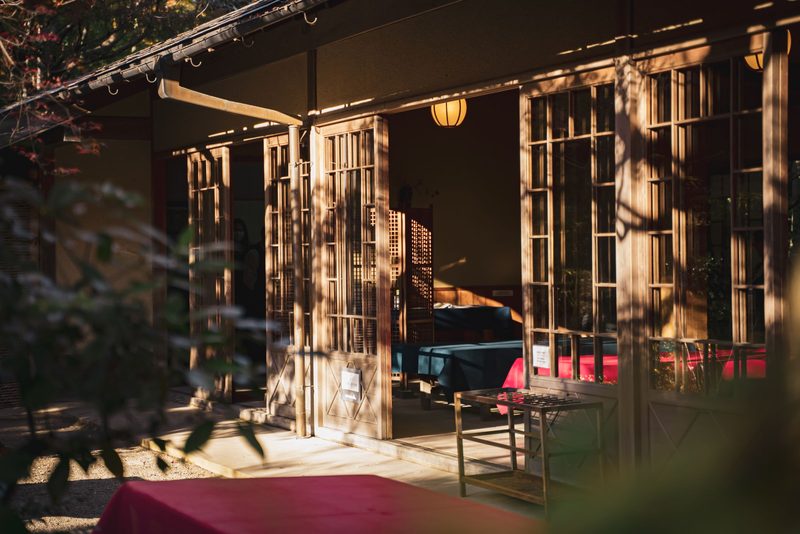
When to go
From March to April and from October to November is the best window for Kyoto. Your advisor times it to the light, the crowds and your own calendar.
The experiences
A sense of what this journey can hold — each one arranged privately and shaped to you:
- A privately arranged shiatsu session with a licensed practitioner inside a restored Higashiyama machiya, conducted entirely in the traditional tsubo-ichi point method.
- A pre-dawn zazen sitting with a resident monk at a Rinzai monastery in the Myoshinji complex, followed by a guided kinhin walking meditation through the raked gravel gardens.
- A kaiseki breakfast sourced from Nishiki Market ingredients, taken in your ryokan room overlooking a moss garden, paced to a formal cha-kaiseki tea sequence.
- A private forest-bathing circuit through the cedar groves of Kurama, led by a certified shinrin-yoku guide who adjusts the itinerary to your pace and intention.
A sense of the rhythm
Days begin before other guests stir — monastery bells rather than alarm clocks. Mornings are structured around stillness: a sitting, a bath, a slow meal. Afternoons open into unhurried movement through Higashiyama's stone lanes or the bamboo groves of Arashiyama, and evenings return to the ryokan well before the city's tourist rhythm peaks.
Whether to anchor entirely in a single ryokan or move between two distinct properties
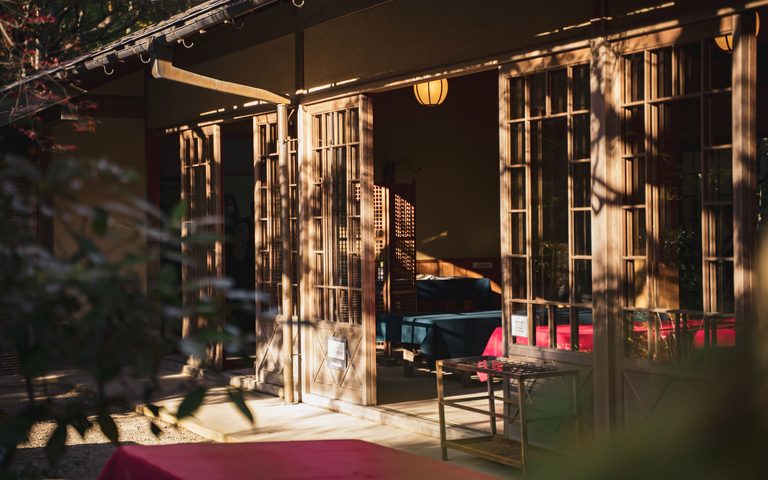
Staying in one ryokan — ideally a small, family-run property in Higashiyama or Kurama with an in-house onsen fed by a private spring — allows the staff to learn your schedule and preferences, which is where the deepest ryokan hospitality reveals itself. Moving mid-stay, however, lets you contrast the mineral character of two different spring sources and experience distinct regional kaiseki traditions within the same journey. For a six-night stay we generally counsel one move, made on day three, so both properties have enough time to perform at their best. The logistics of that transfer — timing it around bath schedules and check-in rituals — are exactly the kind of orchestration Forest Travel handles in advance.
How to do it well
The counsel our advisors give travelers planning this journey:
- Book shiatsu and monastery zazen access at least three months ahead; the most respected Rinzai temples in Myoshinji limit outside participants to very small groups and fill through personal introductions rather than public listings.
- Plan arrival for late October through mid-November if you want the ryokan garden at its most meditative — the maple canopy peaks between 5 and 20 November most years, and the finest small ryokan in Higashiyama sell out eight to ten months in advance for that window.
- Pack a light layer specifically for the 5 a.m. monastery hour: even in October the pre-dawn stone halls retain a penetrating cold that the morning's tea will not fully resolve until the sun clears the Higashiyama ridge around 7 a.m.
- Confirm with your advisor whether your chosen ryokan requires a Japanese-language introduction letter from a known intermediary — some of the most private properties in Kurama and Ohara still operate on a referral basis and will not accept direct foreign bookings under any circumstances.
What only your advisor can open
The difference between a good trip and an unrepeatable one is access — and access is a relationship, not a booking. Every guide, room and moment is chosen and sequenced for you.
Who it's for
Travelers who value privacy, time and doing it once — beautifully — and who would rather have one trusted advisor orchestrate every detail than assemble it themselves.
Estimated investment
From US$8,900 per traveler, based on double occupancy — scaled to your dates, party size and level of privacy. A starting point, not a final quote; confirmed once your advisor tailors the itinerary.
Designed entirely around you
Nothing here is a package. A Forest Travel advisor shapes the whole journey and stays one message away before and throughout your trip.
Your Virtuoso privileges
As a Virtuoso member, Forest Travel includes benefits reserved for Virtuoso guests at the finest luxury hotels, at no added cost: a room upgrade on arrival when available, daily breakfast for two, a property credit toward dining or spa, and early check-in with late check-out when the hotel allows.
Continue exploring Kyoto
Part of our Kyoto travel guide. Related private journeys:
Begin the conversation
Tell a Forest Travel advisor how you like to travel and they will design Wellness in Kyoto around you — privately, every Virtuoso privilege included. Request your private consultation →
Questions, answered.
Staying in one ryokan — ideally a small, family-run property in Higashiyama or Kurama with an in-house onsen fed by a private spring — allows the staff to learn your schedule and preferences, which is where the deepest ryokan hospitality reveals itself. Moving mid-stay, however, lets you contrast the mineral character of two different spring sources and experience distinct regional kaiseki traditions within the same journey. For a six-night stay we generally counsel one move, made on day three, so both properties have enough time to perform at their best. The logistics of that transfer — timing it around bath schedules and check-in rituals — are exactly the kind of orchestration Forest Travel handles in advance.
Book both at least three months ahead. The most respected Rinzai temples in the Myoshinji complex limit outside participants to very small groups, and places fill through personal introductions rather than public listings. Your Forest Travel advisor arranges the pre-dawn zazen with a resident monk, followed by a guided kinhin walking meditation through the raked gravel gardens, alongside the private shiatsu session in a restored Higashiyama machiya.
Pack a light layer specifically for the 5 a.m. monastery hour. Even in October, the pre-dawn stone halls hold a penetrating cold that the morning's tea will not fully resolve until the sun clears the Higashiyama ridge, around 7 a.m. Days on this journey begin before other guests stir, with monastery bells rather than alarm clocks, so plan your layers for that early sitting.
Yes, some do. A few of the most private properties in Kurama and Ohara still operate on a referral basis and will not accept direct foreign bookings under any circumstances. Confirm with your advisor whether your chosen ryokan requires a Japanese-language introduction letter from a known intermediary. Forest Travel handles that orchestration in advance, along with timing any transfer around bath schedules and check-in rituals.
Wellness in Kyoto is designed as 6 Days · 5 Nights, enough to travel without rushing. Days begin before other guests stir, to monastery bells rather than alarm clocks. Mornings are built around stillness: a sitting, a bath, a slow meal. Afternoons open into unhurried movement through Higashiyama's stone lanes or the bamboo groves of Arashiyama, and evenings return to the ryokan well before the city's tourist rhythm peaks. If you split the stay between two ryokan, we generally counsel one move, made on day three, so both properties can perform at their best.
As a private, tailored journey it starts from roughly US$8,900 per traveler (double occupancy) and scales with your dates, party and level of privacy — a starting point, never a fixed package price. Your advisor confirms the figure once the itinerary is tailored.
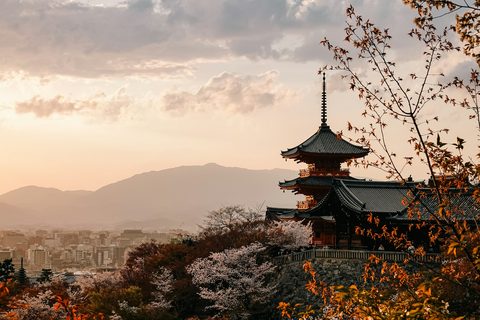
Late March through mid-April brings the cherry blossoms, while November paints the maples crimson and the summer crowds recede. For the ryokan garden at its most meditative, plan arrival for late October through mid-November: the maple canopy peaks between 5 and 20 November most years, and the finest small ryokan in Higashiyama sell out eight to ten months in advance for that window. Even in October, bring a light layer for the cold pre-dawn zazen. Your advisor times it to the light, the crowds and your calendar.
On Wellness in Kyoto, the shiatsu session is privately arranged with a licensed practitioner inside a restored machiya in Higashiyama, the city's most contemplative quarter. It is conducted entirely in the traditional tsubo-ichi point method. Because the most respected sessions fill early, it is best booked at least three months ahead, and it fits the journey's rhythm of stillness in the mornings and unhurried movement through Higashiyama's stone lanes in the afternoons.
Forest bathing in Kurama is a private shinrin-yoku circuit through the area's cedar groves, led by a certified guide. Rather than following a fixed route, the guide adjusts the itinerary to your pace and intention, so the walk matches the slow rhythm of a Kyoto wellness journey. Kurama is also one of the areas where a small, family-run ryokan with an in-house onsen fed by a private spring can anchor the stay.
In Kyoto, the kaiseki breakfast on this wellness journey is sourced from Nishiki Market ingredients and served in your ryokan room, overlooking a moss garden. The meal is paced to a formal cha-kaiseki tea sequence, which suits mornings built around stillness: a sitting, a bath, a slow meal. Staying in two ryokan also lets you experience distinct regional kaiseki traditions within the same journey.
On Wellness in Kyoto, the ryokan's hinoki bath is drawn from the mountain spring that runs beneath the property. The bath belongs to the morning ritual, alongside the sitting and the slow meal. The ideal base is a small, family-run ryokan in Higashiyama or Kurama with an in-house onsen fed by a private spring. Moving between two properties lets you contrast the mineral character of two different spring sources.
Japan's most rewarding wellness journeys are built around places rather than a single retreat. In Kyoto that means a small ryokan in Higashiyama or Kurama with a spring-fed hinoki bath, zazen at a Rinzai temple in the Myoshinji complex and forest bathing in the cedar groves of Kurama. Beyond Kyoto, Hakone adds private open-air onsen with mountain views, and the Japanese Alps add forest walks and deeper seclusion. Wellness in Kyoto runs six days from US$8,900 per traveler.
In Kyoto, the most private option is shiatsu in a restored machiya in Higashiyama, arranged with a licensed practitioner who works in the traditional tsubo-ichi point method, with the space reserved for you alone. Book it at least three months ahead, together with any zazen sitting, because the most respected practitioners and temples fill through personal introductions. On Wellness in Kyoto it sits alongside the ryokan's hinoki bath and a slow kaiseki breakfast, so each day stays built around stillness.
Forest Travel designs private journeys across Japan, each reshaped around you. In Kyoto: Kyoto in Autumn, seven days for the November maples from US$12,800 per traveler; Art & Culture in Kyoto, six days from US$12,800; Wellness in Kyoto, six days from US$8,900; and the Kyoto Honeymoon, seven days from US$5,000 for two. Wellness Japan joins Hakone and the Japanese Alps over 8 to 11 days, from US$12,000 per traveler. All include Virtuoso privileges at the finest hotels.
Japan
See the collection →Tell a private advisor how you like to travel — no quotes, no obligation.
Speak With a Luxury Travel AdvisorA real person answers: an in-house luxury travel advisor, in English or Spanish. The first conversation is complimentary.