The Best Time to Visit Japan — Cherry Blossom, Autumn and Beyond
When the blossom breaks, when the maples turn, and when the country is quietly at its best. A month-by-month luxury guide to timing Japan — and what a bespoke journey starts from.
- Cherry blossom peaks roughly late March to mid-April, moving south to north — the window is short and shifts yearly.
- Autumn foliage peaks in November (later south), rivaling spring for beauty with more stable weather.
- Spring and autumn are the marquee seasons and book up to a year ahead; winter offers world-class snow and fewer crowds.
- Summer is humid but festival-rich, and best for the northern alps and Hokkaido.
- As an indicative guide, a bespoke luxury Japan journey starts from around US$1,500 per person per day — the final cost depends on the season and how privately you travel.
- We track the bloom and foliage forecasts and time your stay to the peak, with rooms held early.
The two headline seasons
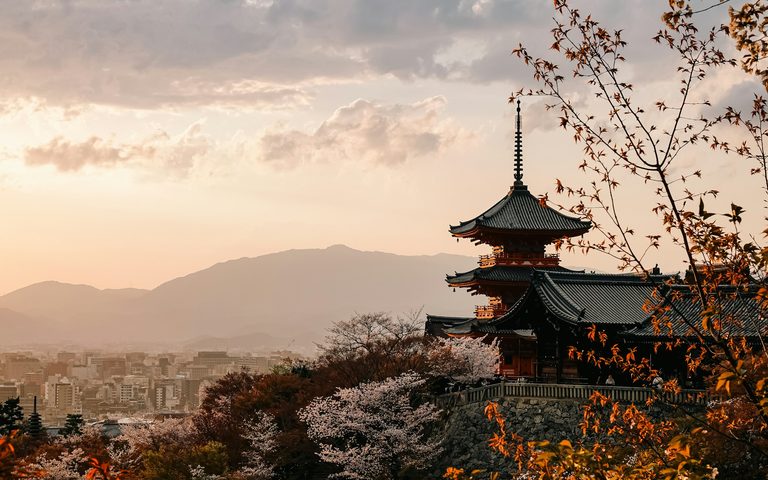
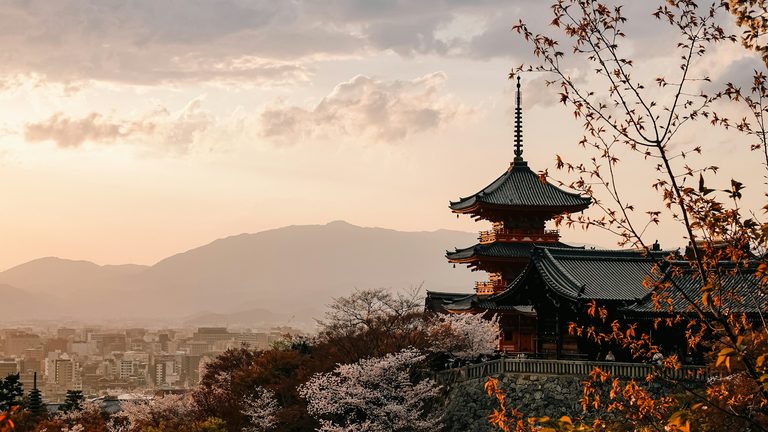
Japan's calendar is defined by two extraordinary windows. Cherry blossom (sakura) breaks roughly late March to mid-April, sweeping from the warmer south to the cooler north. Autumn foliage (koyo) peaks in November, later as you move south, and rivals spring for sheer beauty with more settled weather. Both are magical — and both fill the finest hotels up to a year ahead.
Month by month
March–April: blossom and a country in celebration. May–June: green, mild, fewer crowds (with a rainy spell in June). July–August: humid in the cities, but glorious in the northern alps and Hokkaido, and rich in festivals. September–October: warm, clear, excellent. November: foliage at its peak. December–February: crisp, atmospheric, with world-class snow and the fewest visitors.
Timing the blossom and the foliage
The blossom window is short — often just a week in a given city — and shifts each year with the weather. We track the forecasts and build the route to follow the bloom (or the maples in autumn), so you arrive at the peak rather than guessing.
When to go for fewer crowds
Late spring (May–June) and early winter offer the same Japan with far fewer travelers and easier access to the best tables and guides. For privacy and value without compromising the experience, these quiet stretches are underrated.
What a luxury Japan journey starts from
As a luxury advisory we quote a starting point, not a final price. Indicatively, a bespoke journey starts from around US$1,500 per person per day, rising with private guiding throughout, the finest ryokan and peak-season (blossom or foliage) timing. The real figure depends on the season and how privately you travel — we share the from-price candidly and design the rest around you.
Culture up close: ryokan, private guides, and real access
The Japan worth traveling for is the one you enter, not just observe. We build each trip around private English-speaking guides who open doors most visitors never reach — a temple at dawn before the crowds, a tea ceremony in a private garden, a workshop beside a lacquer or knife artisan, a sushi counter reserved before it opens. A night or two in a ryokan, the traditional inn of tatami rooms, kaiseki dinners, and onsen baths, becomes the emotional center of the journey. We match each inn to region and season, and pace the days around rail and rest so you experience depth rather than distance.
What a tailor-made Japan trip includes
Beyond the guiding and the ryokan, a well-planned Japan itinerary handles the parts that quietly make or break a trip: reserved seats on the fastest trains, private transfers and luggage forwarded ahead so you travel light, restaurant tables booked months in advance, and a local team on call throughout. We tailor the balance of culture, cuisine, and countryside to your interests and travel dates, whether that centers on the cherry-blossom or autumn-foliage windows or a quieter shoulder season. A private, tailor-made journey typically starts from US$1,500 per day for two, scaling with season, access, and the level of guiding.
Questions, answered.
Spring for cherry blossom (roughly late March to mid-April) and autumn for foliage (November) are the marquee seasons. Both are extraordinary and book up to a year ahead. Winter offers world-class snow and the fewest crowds; late spring is mild and quieter.
Roughly late March to mid-April, moving from the warmer south to the cooler north. The window in any one city is short — often about a week — and shifts each year, so timing and tracking the forecast matter.
Foliage (koyo) peaks in November, later as you move south. It rivals spring for beauty and usually has more stable weather, making it a favorite for discerning travelers.
Late spring (May–June, outside the rainy spell) and early winter offer the same Japan with far fewer travelers and easier access to the best guides and tables — underrated windows for privacy and value.
As an indicative guide, a bespoke journey starts from around US$1,500 per person per day, rising with private guiding, the finest ryokan and peak-season timing. We give a clear from-price and never quote a final total until it's designed around you — it depends on the season and how privately you travel.
Nine to twelve months. The finest hotels and ryokan in the blossom and autumn windows sell out a year out, so early planning is essential to align your dates with the peak.
Yes — winter is crisp and atmospheric, with the fewest crowds and some of the world's best powder skiing in Hokkaido and the northern alps. City sightseeing is comfortable and the onsen (hot springs) are at their most inviting.
Spring and autumn for beauty and comfortable weather, or winter for snow. We time family trips around school holidays where possible and balance culture with the hands-on experiences children love.
Experiential Japan means access, not just admission. Instead of queuing at temples, you enter with a private local guide who arranges a dawn meditation with a monk, a tea ceremony in a private garden, a sushi counter reserved before it opens, or a workshop with a lacquer or knife artisan. The distinction is human connection and doors most travelers never see, timed so you move through the country at your own rhythm.
Yes — a night or two in a ryokan is the single most memorable way to feel Japan. These traditional inns center on tatami rooms, multi-course kaiseki dinners, and often private or spring-fed onsen baths. We match you to the right one by region and season: a mountain ryokan for autumn foliage, a coastal one for seafood, an urban one for a first, gentle introduction. We balance authenticity with the comfort and privacy luxury travelers expect.
Yes — private English-speaking guides are the heart of how we plan Japan. Beyond translating a language and culture that reward local knowledge, they open reservations, adjust each day to your energy, and introduce you to artisans, chefs, and stewards personally. A good guide turns a checklist of landmarks into a series of encounters, and handles the logistics — trains, transfers, timing — so your only job is to be present.
Plan on ten to fourteen days for a first, unhurried trip. That allows a few days in the historic cultural heartland, time in the capital, and a countryside or coastal interlude — often a ryokan stay — without racing between them. Shorter trips of seven days work if you focus on one or two regions. We pace the itinerary around private guiding and rail so you experience depth rather than distance.
Absolutely — Japan is one of the world's great food destinations, and we weave it through the itinerary. That can mean a counter reserved months ahead, a market walk with a chef, a sake or tea tasting with a maker, a kaiseki dinner at your ryokan, or a home-cooking session. We match reservations to your palate and dietary needs, and pair them with the cultural days so meals become part of the story rather than an afterthought.
Japan
See the collection →Tell a private advisor how you like to travel — no quotes, no obligation.
Begin Your Private Consultation