How Much Does a Luxury Trip to Japan Cost? Per Person, Per Night
Almost every published figure for Japan is a room rate, and a room sleeps two. Stated the way a trip is actually budgeted — per person, per night — the market starts from about US$1,000, and the honest work is knowing which band buys what.
- The working band is from about US$1,000 per person, per night at the entry to genuine luxury, to about US$2,500 at the top — land only, excluding international flights. Over ten to fourteen nights that is from roughly US$12,000 a person, and up to about US$35,000 at the very top.
- Published hotel rates are per room and mislead by roughly half. Japan's luxury properties are quoted at ¥30,000 to ¥100,000 a night at the lower end and ¥150,000 to ¥450,000 in Kyoto's peak weeks — which for two people sharing is from about US$100 per person, per night for the room alone.
- Kyoto adds a lodging tax that is genuinely per person, per night, and at this level it is the top tier: ¥10,000 a head on rooms from ¥100,000. Four people over ten nights is ¥400,000 in tax before anything else.
- A national departure fee of ¥3,000 a person applies from July. Small, universal, and one of the few figures on this page that does not vary by how you travel.
- The rooms that define the top band cannot be bought late. Tawaraya, Hiiragiya and Hoshinoya Kyoto are booked nine to twelve months ahead, so at that end the constraint is the calendar rather than the budget — the same pattern as Japan's cruise trains.
The short answer
A luxury trip to Japan costs from about US$1,000 per person, per night on the land arrangements, and ten to fourteen nights starts from about US$12,000 a person, before international flights. The figure moves in three bands, summarised below and explained further down; what these figures are, and what they are not, follows straight after.
| From, per person per night | What it typically buys |
|---|---|
| From about US$1,000 | Five-star rooms in Tokyo and Kyoto, a private guide on the days that need one, reserved tables, Green Car rail with transfers at each end |
| From about US$1,500 | A guide most days, cars instead of trains where it saves an afternoon, a night or two in a serious ryokan |
| From about US$2,500 | The top suites, the smallest ryokan with long waiting lists, a fixer whose day is yours, kaiseki counters that do not publish a price |
Outside every band: international flights, Kyoto's lodging tax (up to ¥10,000 per person, per night at this level) and Forest Travel's planning fee of US$250 per itinerary.
What these figures are, and what they are not
The bands below are market observations drawn from public rates and published cost guides, not Forest Travel quotes. A price for a specific trip depends on the party, the season, the rooms and how much of it is private, and it will differ from anything here in both directions.
They are stated per person, per night throughout, because that is the only unit that compares. Almost every published figure for Japan is a room rate, and a room sleeps two — which is why so many "Japan costs" articles read as either alarming or implausibly cheap.
The three bands, and what each actually buys
From about US$1,000 per person, per night. This is the floor of genuine luxury rather than a budget: five-star rooms in Tokyo and Kyoto, a private guide on the days that need one, reserved tables, and rail in Green Car with transfers at each end. Most of the country is comfortably available here.
From about US$1,500 per person, per night. The band our own Japan planning tends to sit in, and where the trip becomes properly private: a guide most days rather than some, cars instead of trains where it saves an afternoon, a night or two in a ryokan that would otherwise be the whole splurge.
From about US$2,500 per person, per night. The top: the suites at Aman and Hoshinoya, the machiya ryokan with two rooms and a nine-month waiting list, a fixer whose day is yours, kaiseki counters that do not publish a number. Above this the figure stops being a band and becomes whatever the house charges.
Why the room rate is not the per-person rate
This is the single most useful correction on this page. Japan's luxury hotels are quoted from about ¥30,000 to ¥100,000 a night at the accessible end, and Kyoto's flagship houses — Aman, Hoshinoya, Four Seasons, Tawaraya — reach ¥150,000 to ¥450,000 in the peak weeks. Those are rooms.
For two people sharing, halve them. The accessible end becomes from roughly US$100 per person, per night for the room; the Kyoto peak becomes from roughly US$500 per person, per night. Then add everything that is not the room — the guiding, the cars, the tables, the rail — which at this level is frequently as large as the room again.
Which is why a family of four does not pay twice a couple. They pay less per head on rooms and more on everything guided, and the per-person-per-night figure lands closer together than people expect.
The lines that sit outside the nightly figure
Kyoto's lodging tax, which since March runs in five tiers and is charged per person, per night. At this level it is the top one: ¥10,000 a head on rooms from ¥100,000, against ¥1,000 before. Four people across ten nights is ¥400,000 before the room. It is the highest municipal lodging tax in Japan and it is not a rounding error at this tier.
The national departure fee, ¥3,000 a person from July. Universal and small, and worth knowing only because it is one of the few figures here that does not move.
International flights, which are excluded from every band above and which on this route vary more than anything else — a first-class cabin of six suites and a private charter from about US$204,000 one way are covered in our guide to flying to Japan from the US.
Dining above the hotel. A kaiseki dinner runs roughly ¥10,000 to ¥30,000 a head, and the counters worth the trip sit at the top of that or beyond. Two such dinners in a week move the nightly average more than most people budget for.
What a fortnight actually totals
Ten to fourteen nights, tailor-made and private, lands between roughly US$12,000 and US$25,000 a person on the land arrangements, and reaches about US$35,000 a person at the top of the market. Divide either by the nights and you are back at the bands above, which is the point: the nightly figure is the one to hold in your head, because it is the one that changes when you change the trip.
The variable with the largest effect is not the hotel. It is how many days are guided. A trip with a private guide every day and one with a guide on four days can sit two hundred dollars a person a night apart while sleeping in the same rooms.
Where the money is worth spending, and where it is not
Worth it: the guide, on the days that need one, because Japan is the country where access and language change what a day contains more than almost anywhere. One or two nights in a serious ryokan rather than a week in a merely good one. And the cars on the days when a train would cost you an afternoon.
Not worth it, in our experience: upgrading every room to the top category in every city, when two of the five nights will be spent asleep after long days; and paying for private rail between Tokyo and Kyoto, where the Shinkansen in Green or Gran Class is genuinely better than the alternative.
Why the top band cannot be solved with money
The rooms that define it are rationed by time. Tawaraya, Hiiragiya and Hoshinoya Kyoto are booked nine to twelve months ahead, and the peak weeks go first. That is the same pattern as Japan's cruise trains, which allocate by lottery — and it means a Japan trip at the top of the market is a calendar decision before it is a budget one.
Our planning fee is US$250, charged in every case and before anything is held. It is separate from every figure on this page, and what it buys is the sequencing and the rooms we can actually open — not a discount, which at this level nobody is offering.
Questions, answered.
From roughly US$1,000 per person, per night at the entry to genuine luxury and up to about US$2,500 at the top, land only. Over ten to fourteen nights that is from approximately US$12,000 a person, reaching about US$35,000 at the very top of the market. International flights are excluded from all of those.
Because they are room rates and a room sleeps two. Japan's luxury properties are quoted from about ¥30,000 to ¥100,000 a night, and Kyoto's flagship houses reach ¥150,000 to ¥450,000 in peak weeks. Halve those for two people sharing, then add the guiding, cars, tables and rail, which at this level is often as much again as the room.
From about US$1,000 per person, per night for the land arrangements. Below that you are buying good hotels without the private guiding, and in Japan the guide is the line that changes what a day contains more than the room does.
The suites at Aman and Hoshinoya rather than their entry rooms, a machiya ryokan with a nine-month waiting list, a guide whose whole day is yours rather than a half-day, and the kaiseki counters that do not publish a price. Above that the figure stops being a band.
Yes, and it is one of the few charges genuinely levied per person, per night. Since March it runs in five tiers, and rooms from ¥100,000 pay ¥10,000 a head against ¥1,000 before — the highest municipal lodging tax in Japan. Four people over ten nights is ¥400,000 before the room.
A national departure fee of ¥3,000 per person applies from July. It is small and universal, and it is one of the few figures on this page that does not vary with how you travel.
No, and the difference surprises people. Rooms cost less per head across four than across two, while everything guided costs the same for the party — so the per-person, per-night figures land closer together than the totals suggest.
Not at the top. Tawaraya, Hiiragiya and Hoshinoya Kyoto are booked nine to twelve months ahead and the peak weeks go first, so at that end the constraint is the calendar rather than the budget — the same pattern as the cruise trains, which allocate by lottery.
No. Between Tokyo and Kyoto, the Shinkansen in Green or Gran Class is genuinely better than private rail, so paying for a private train is one of the places a luxury Japan budget is not well spent. The money goes further on cars for the days when a train would cost you an afternoon, and on a private guide for the days that need one.
In Japan, the number of guided days moves the cost more than the hotel does. A trip with a private guide every day and one with a guide on four days can sit about two hundred dollars a person a night apart while sleeping in the same rooms. A guide is worth it on the days that need one, because in Japan access and language change what a day contains more than almost anywhere.
One or two nights in a serious ryokan is the better use of money in Japan than a week in a merely good one. In the same spirit, upgrading every room to the top category in every city is rarely worth it, since two of the five nights are spent asleep after long days. Around US$1,500 per person, per night, a night or two in a fine ryokan fits into the trip rather than becoming the whole splurge.
A kaiseki dinner in Japan runs roughly ¥10,000 to ¥30,000 a head, and the counters worth the trip sit at the top of that range or beyond. This dining sits outside the hotel and outside the nightly figure, and two such dinners in a week move the nightly average more than most people budget for. At the top of the market, some kaiseki counters do not publish a price at all.
From about US$1,000 per person per night for the land arrangements at the entry to genuine luxury, about US$1,500 where the trip becomes properly private, and about US$2,500 at the top. Over ten to fourteen nights that is from approximately US$12,000 a person, reaching about US$35,000 at the very top, before international flights.
Not for a luxury week. Genuine luxury in Japan starts from US$1,000 per person per night on the land arrangements, so seven nights start from US$7,000 per person, before international flights. That entry band buys five-star rooms in Tokyo and Kyoto, a private guide on the days that need one, reserved tables and Green Car rail. Kyoto's lodging tax, charged per person per night, and dinners at serious kaiseki counters sit on top.
From US$1,000 per person per night on the land arrangements, in three bands. From US$1,000 buys five-star rooms, a guide on the days that need one and Green Car rail; from US$1,500, where our own Japan planning tends to sit, a guide most days and a night or two in a serious ryokan; from US$2,500, the top suites and the ryokan with waiting lists. International flights, Kyoto's lodging tax and dining above the hotel are extra.
For one traveller, yes, at the entry band of luxury; for a couple, not quite. Genuine luxury in Japan starts from US$1,000 per person per night on the land arrangements, so a seven-night week starts from US$7,000 per person and from US$14,000 for two, before international flights. For one person, US$10,000 reaches toward the US$1,500 band, where a private guide comes most days and a night in a serious ryokan fits.
Cherry-blossom season, from late March to mid-April, and the autumn foliage from November into early December, followed by Golden Week, from 29 April to 5 May in 2027, and the New Year holidays. In those weeks the finest hotels and ryokan fill up to a year ahead and Kyoto's flagship houses quote at the top of their range. May and June, and the winter months outside New Year, are the quietest, with easier access to the best tables and guides.
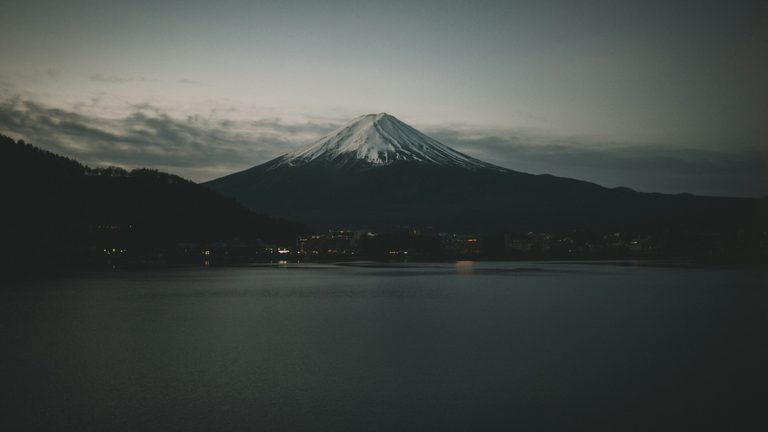
Japan
See the collection →Tell a private advisor how you like to travel — no quotes, no obligation.
Speak With a Luxury Travel AdvisorA real person answers: an in-house luxury travel advisor, in English or Spanish. The first conversation is complimentary.