When to Go on a Luxury African Safari — and Where to Stay for Exclusive Access
A private safari positions the savannah around you. Here is when to go for the Great Migration and the green season, where to stay, how to pair the bush with a beach, and what it typically starts from.
- Luxury safari runs from roughly US$1,200 per person, per night, all-inclusive.
- Green season (Nov–Mar) is commonly 30–50% below peak, with emptier camps.
- Botswana is the most expensive by design; South Africa is the best value entry.
- Seven to nine nights across two camps is the shape that works for most travellers.
- The private vehicle is the single largest upgrade — bigger than any lodge feature.
- International flights, premium spirits, spa and gratuities are the standard exclusions.
- Private conservancies allow off-road, night drives and walking; national parks do not.
When to go — follow the wildlife
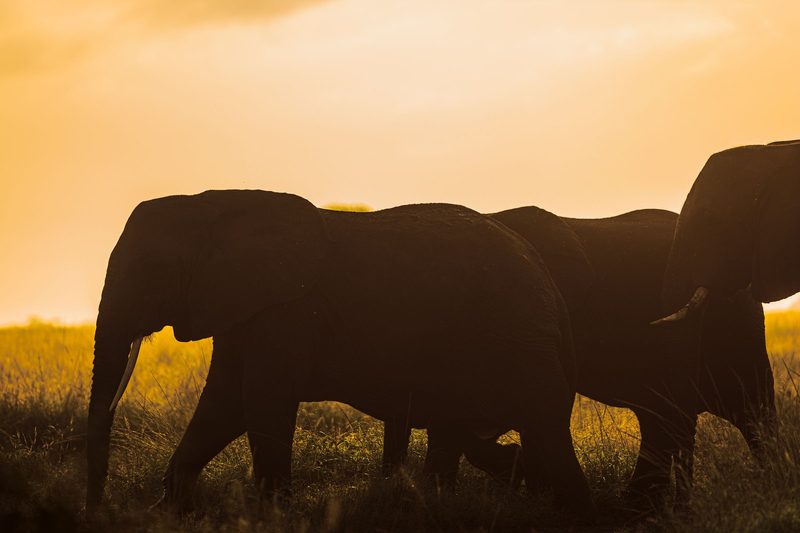
Two calendars matter. The dry months, roughly June to October, concentrate animals on shrinking water and give the clearest sightings of the year; this is peak season and prices reflect it. The green season, November to March, brings calving, newborn predators, migratory birds and dramatic light — with rates commonly 30 to 50 per cent below peak and camps far emptier. Neither is 'better'. One buys certainty; the other buys value and space.
What a private safari costs, per night
Across the luxury tier, expect from US$1,200 per person, per night, all-inclusive. The spread is real and it maps to country and season:
- South Africa — the value entry point. Luxury lodges from US$1,200 per person per night; the premier Sabi Sand properties sit well above that.
- Kenya — from US$1,200 per person per night, with high-season conservancy camps materially higher.
- Tanzania — Serengeti migration camps run from about US$1,800 in season; the ultra-luxury names reach US$3,500 and above
- Botswana — the most expensive by design, from US$1,200 in the Okavango, because low bed numbers are the product.
Applied to a trip: seven nights in one country at the premium tier lands from around US$10,000 per person before international flights. Ten to twelve nights across two countries runs from roughly US$20,000 Exclusive-use camps and the ultra-luxury names go beyond that. These are market ranges to plan against, not a quotation.
What 'all-inclusive' actually covers
At this level the phrase is unusually literal. A properly all-inclusive rate covers:
- Accommodation — the lodge or tented camp throughout.
- Dining — all meals, bush breakfasts, sundowners, house wine, beer and spirits.
- Guiding — twice-daily game drives at dawn and dusk with a professional guide, and in private reserves a tracker as well.
- Transport — in-country transfers and the light-aircraft hops between camps.
- Fees and cover — park entry and conservation levies, laundry, and emergency medical evacuation.
What it does not cover
The recurring exclusions are international flights, premium spirits and fine wine, spa treatments, gratuities, visas and travel insurance, and — on some itineraries — the internal flights between camps. Ask for the inclusions in writing before anything is confirmed. The gap between two quotes that look alike is almost always here.
Standard, premium, ultra-luxury — what the money buys
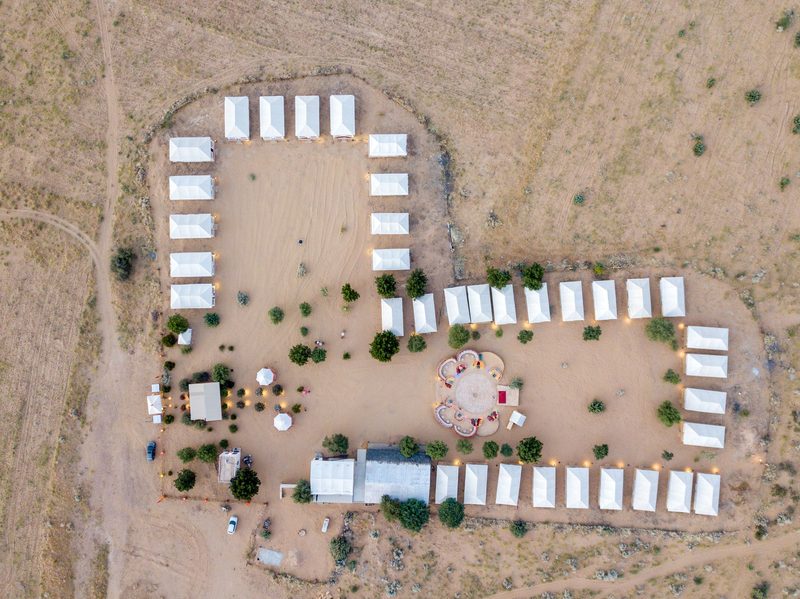
Standard puts you in a good camp on a shared vehicle: six strangers, one guide, and a sighting that ends when the group has had enough. Premium buys the private vehicle, which is the single largest change in the experience — you leave when you like, stay as long as the light holds, and stop for what interests you. Ultra-luxury buys scarcity itself: exclusive-use camps, a dedicated guide for the stay, and traversing rights on land almost nobody else may enter. The step from standard to premium changes the days. The step to ultra-luxury changes who else is there.
Premium differentiators worth paying for
In order of what they actually change: a private vehicle; a dedicated guide who learns what you care about by day two; private conservancy access, where off-road driving, night drives and walking safaris are permitted and national-park rules forbid them; and, at the top, exclusive-use of a whole camp. Spa treatments, plunge pools and cellars are real but they are comfort, not access.
How long to go
Below four nights in the bush the travel eats the trip. The workable ranges:
- 4–5 nights, one camp — a first safari, or a bolt-on to another journey. Enough for the Big Five in a good reserve, not enough for depth.
- 7–9 nights, two camps — the standard shape, and the one most people should book. Two habitats, two guiding styles, and time to stop chasing a list.
- 10–14 nights, two or three camps or countries — for the migration followed properly, or a delta-and-desert pairing, or the beach at the end.
Short or long — the honest tradeoffs
A short safari is a logistics problem: light aircraft run to fixed schedules, so a four-night trip can lose two half-days to transfers. A longer one buys flexibility — the freedom to abandon a plan because a leopard has cubs, or to spend a morning doing nothing. It also builds in downtime, which matters more than people expect: dawn starts every day for a week are genuinely tiring, and the best long safaris schedule a slow day in the middle rather than pretending nobody needs one.
Which country, for which traveller
- South Africa — first-timers and families. Malaria-free reserves, short flights, excellent roads, and the highest chance of the Big Five in a few days. The softest landing, and the best value.
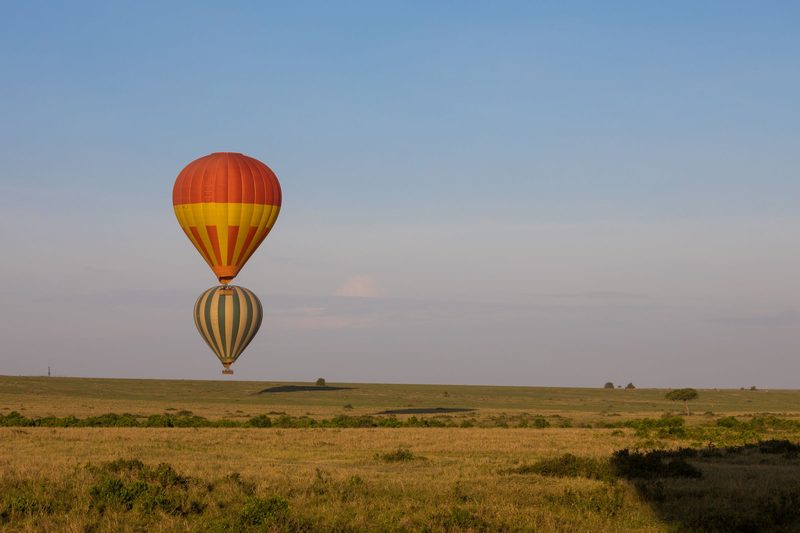
- Kenya — the classic, and honeymooners. The Maasai Mara for the migration river crossings, and the private conservancies beside it where the vehicle count is capped. Balloons at dawn and a strong beach pairing on the coast.
- Tanzania — depth and scale. The Serengeti and Ngorongoro at their best between the migration's calving and the crossings; the largest landscapes and the widest price spread of the four.
- Botswana — the connoisseur's choice. Low-volume tourism by state policy, water-based game viewing by mokoro, and the fewest other vehicles anywhere. The most expensive, and the reason is the emptiness.
By what you are actually here for
A first safari: South Africa or Kenya, seven nights, two camps, private vehicle. A honeymoon: Kenya or Tanzania and then the Indian Ocean — three or four nights of doing nothing after a week of dawn starts. A family: a malaria-free South African reserve with a family suite and a guide who is good with children; see Family & Multi-Generational. An immersive journey: twelve nights or more, Botswana and Tanzania, exclusive-use where possible, walking and night drives, and a guide retained for the whole route.
What actually shapes the experience
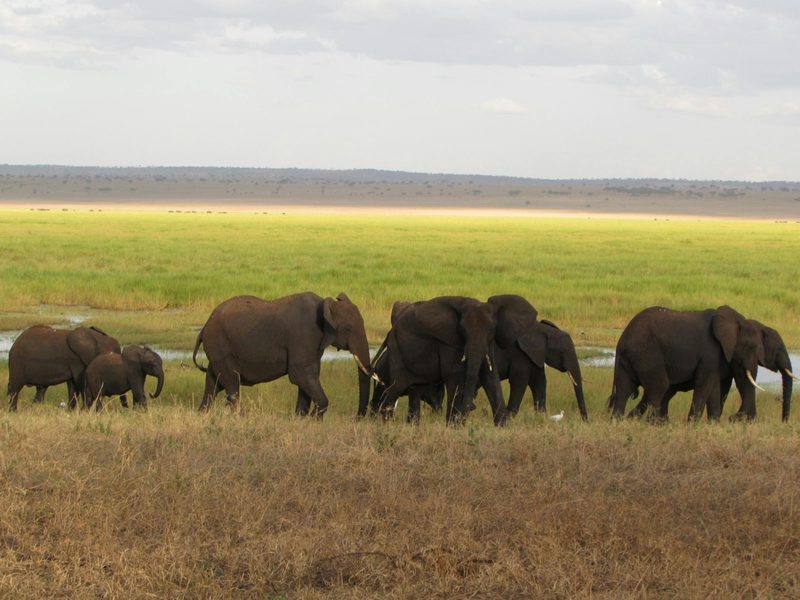
Four things, and price is downstream of all of them. Exclusivity — how much land per bed. Vehicle density — how many others reach the same sighting; private conservancies cap it, national parks do not. Migration timing — the herds move continuously, so 'the migration' is a place on a date, not a season. Infrastructure — good airstrips and short hops mean more hours in the bush and fewer in transit.
Getting there, and what happens if something goes wrong
International flights are yours; everything after landing is arranged — the meet on arrival, the charter to the strip, the vehicle at the other end. Emergency medical evacuation cover is standard at this level and should be confirmed in writing, along with the nearest hospital of reference for each camp. Optional add-ons worth asking about early, because they sell out: balloon flights, gorilla or chimpanzee permits, helicopter transfers, and private bush dinners.
Pairing with the beach
The classic order is bush first, sea second — never the reverse. Kenya and Tanzania pair naturally with Zanzibar or the Kenyan coast; from Southern Africa, Mozambique or Cape Town. For a longer flight and a different register, the Maldives after the Serengeti is the most restorative pairing there is.
The safari year, month by month
January–March: calving in the southern Serengeti, predators concentrated, green-season rates. April–May: the long rains; many camps close, the rest are cheap and empty. June–July: the dry season opens; the migration moves north. July–October: peak — the Mara crossings, the Okavango flood at its height, the highest prices of the year. November–December: the short rains, the herds turn south, and rates fall until the festive fortnight.
The wider map is in our safari guide, and the journeys themselves in Safari & Wildlife.
Questions, answered.
For most of East and Southern Africa, June to October: the dry season concentrates animals on the remaining water and gives the clearest sightings, with the Mara crossings and the Okavango flood at their height from July. By country, Kenya, Tanzania and South Africa are best from June to October, Botswana from May to October, and Rwanda's gorilla treks from June to September and December to February. November to March is the green season: calving, emptier camps and rates commonly 30 to 50 per cent below peak.
From roughly US$1,200 all-inclusive, depending on country, season and exclusivity. South Africa starts at US$1,200 at the value end; Serengeti migration camps run from US$1,800 in season, and the ultra-luxury names reach US$3,500 and above.
Accommodation, all meals with house drinks, twice-daily guided game drives, in-country transfers and light-aircraft hops, park and conservation fees, laundry and emergency medical evacuation. In private reserves, a tracker alongside the guide.
International flights, premium spirits and fine wine, spa treatments, gratuities, visas and travel insurance — and on some itineraries the internal flights between camps. Always ask for the inclusions in writing.
Seven to nine nights across two camps suits most travellers. Four to five works for a first safari or an add-on; ten to fourteen is right for following the migration, combining two countries, or finishing at the beach.
South Africa for a malaria-free reserve, short flights and the highest Big Five odds in a few days, or Kenya for the classic Maasai Mara experience. Botswana is superb but is better appreciated on a second trip.
Often, yes. Rates fall 30–50%, camps are emptier and the light is dramatic, with calving and newborn predators in the southern Serengeti. The trade is thicker vegetation and some rain, so sightings take more patience.
Land per bed, how many vehicles reach a sighting, whether you have a private vehicle and guide, and whether the camp sits in a private conservancy where off-road and night driving are permitted. Those four decide the experience far more than the room does.
On an African safari, the classic order is bush first, sea second, never the reverse. Kenya and Tanzania pair naturally with Zanzibar or the Kenyan coast, while Southern Africa pairs with Mozambique or Cape Town. For a longer flight and a different register, the Maldives after the Serengeti is the most restorative pairing there is. For a honeymoon, three or four nights of doing nothing on the Indian Ocean after a week of dawn starts is the recommended shape.
Yes. On an African safari, the private vehicle is the single largest change in the experience. Standard means a shared vehicle with six strangers and one guide, where a sighting ends when the group has had enough. With a private vehicle you leave when you like, stay as long as the light holds and stop for what interests you. The step from standard to premium changes the days; the step to ultra-luxury changes who else is there.
In Kenya, the private conservancies beside the Maasai Mara cap the number of vehicles, so fewer others reach the same sighting, while national parks do not. Private conservancy access also permits off-road driving, night drives and walking safaris, which national-park rules forbid. You still have the Mara for the migration river crossings, with balloons at dawn and a strong beach pairing on the Kenyan coast.
On a luxury African safari, the add-ons worth asking about early are balloon flights, gorilla or chimpanzee permits, helicopter transfers and private bush dinners, because they sell out. Everything after landing is arranged privately: the meet on arrival, the charter to the airstrip and the vehicle at the other end. International flights remain yours to book.
Avoid bright colors and white, and in tsetse-fly areas avoid dark blue and black, which attract the flies. Neutral, breathable layers in khaki, olive and beige work best on game drives, with one genuinely warm layer for the pre-dawn start in an open vehicle. Camouflage clothing is restricted in several African countries, so leave it at home. Most luxury camps launder clothes the same day, so a small soft bag is enough.
June to October, South Africa's dry winter, is the best time for game viewing in the Kruger: the vegetation thins and animals gather at the remaining water, so sightings are at their clearest. The green season, November to March, brings the births, migratory birds and rates often 30 to 50 percent below high season, with more patience needed on drives. Luxury South African lodges start from around US$1,200 per person per night, with the Sabi Sand reserves well above.
Safaris
See the collection →Tell a private advisor how you like to travel — no quotes, no obligation.
Speak With a Luxury Travel AdvisorA real person answers: an in-house luxury travel advisor, in English or Spanish. The first conversation is complimentary.