Which month decides this trip — the bush or the Cape?
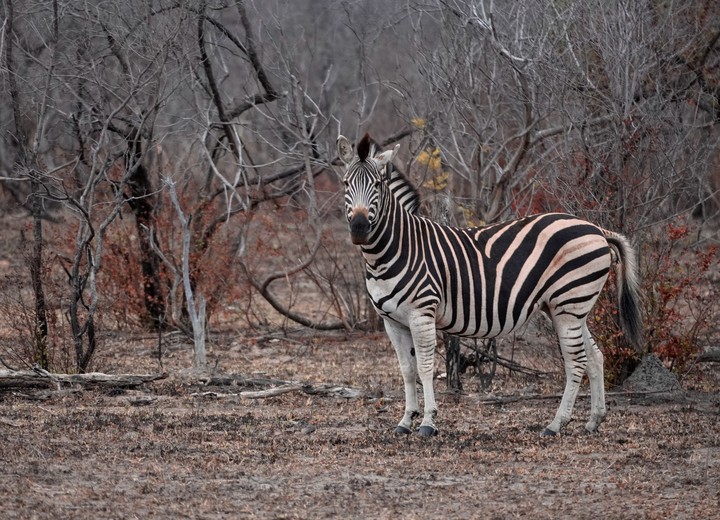
You have to choose, because the two halves peak six months apart. Game viewing in the Greater Kruger is best in the dry winter, roughly May to September, when the bush thins and animals concentrate on shrinking water. Cape Town and the Winelands peak from November to March. Most travellers who have thought about it pick the bush and accept a cooler, greener Cape — and are rewarded, because June to November is southern right whale season in Walker Bay, with numbers peaking in September and October and calving in August and September, close enough to shore at Hermanus to watch from a terrace.
Why base in a private reserve rather than in Kruger itself?
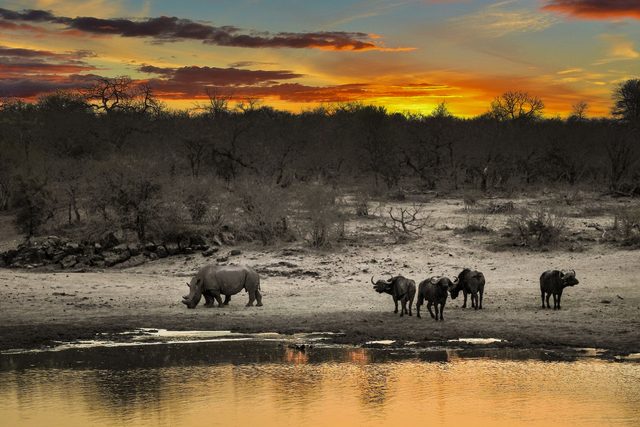
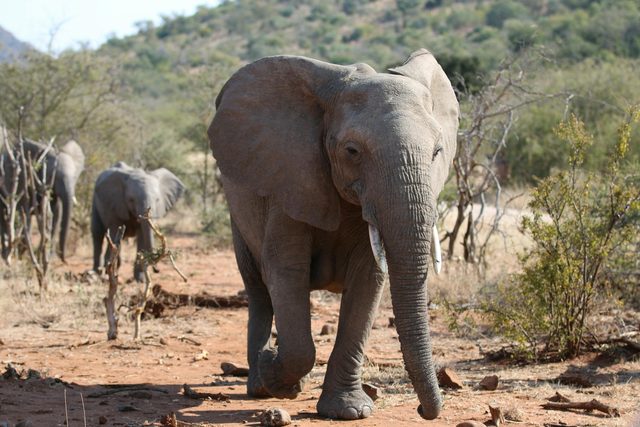
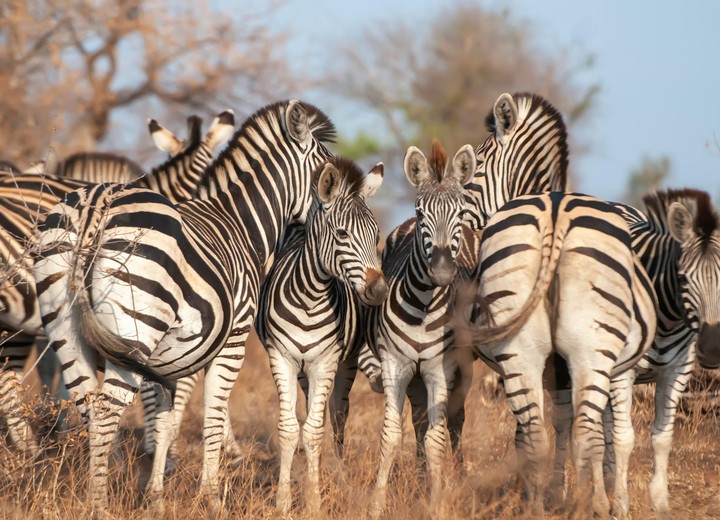
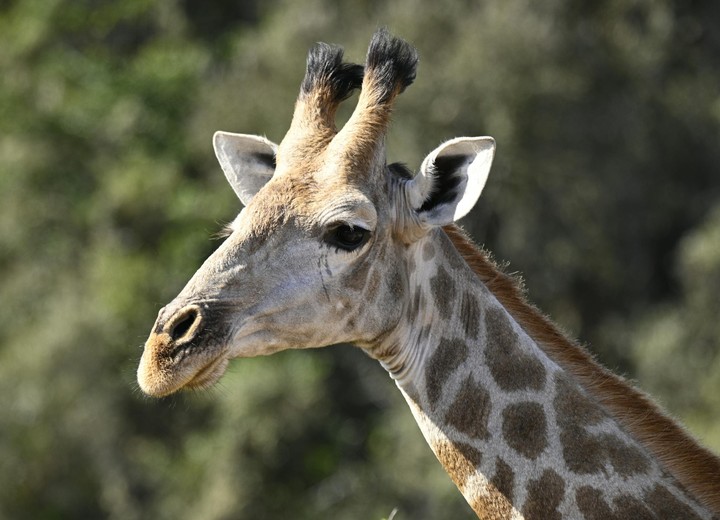
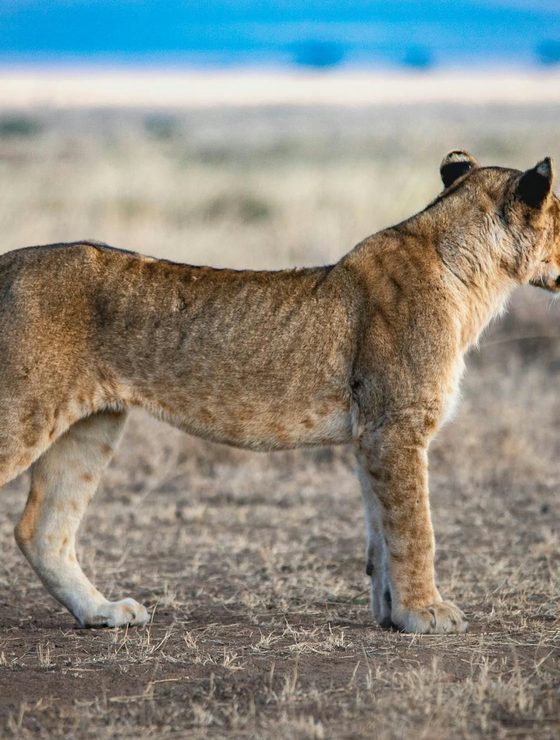
Because the rules are different on land that shares unfenced boundaries with the same park. Sabi Sand and Timbavati, on Kruger's western edge, permit off-road driving to reach a sighting, night drives, and a guest-to-guide ratio the national park does not allow. Sabi Sand in particular is known for close, reliable leopard. Three to four nights in an exclusive-use or small luxury lodge is the usual allocation, and it is why a South African safari reads differently from a self-drive week in the park.
What does South Africa cost against East Africa?
Less, and for a structural reason. Premium South African camps start from US$1,200 per person per night all-inclusive, against US$1,800 and up for a Serengeti migration camp in season — and the private reserves fold their conservation levy into the rate rather than adding US$70–200 per person per day at a gate, as Tanzania and Kenya do. At the ~US$1,500 per person per night this page quotes, South Africa buys a level of lodge that costs half again in East Africa.
What has to be right in the passport and at the pharmacy?
Two consecutive, completely blank visa pages — South Africa turns people away at the gate for this, and endorsement pages do not count. US passports need no visa for 90 days and must be valid 30 days beyond departure. On malaria: the Greater Kruger is a low-risk area where prophylaxis is generally advised, and there are excellent malaria-free reserves in the Eastern Cape and Madikwe if you would rather not medicate young children. Birth certificates for minors stopped being mandatory in November 2019, but bring one anyway if only one parent is travelling.
How do the three legs actually connect?
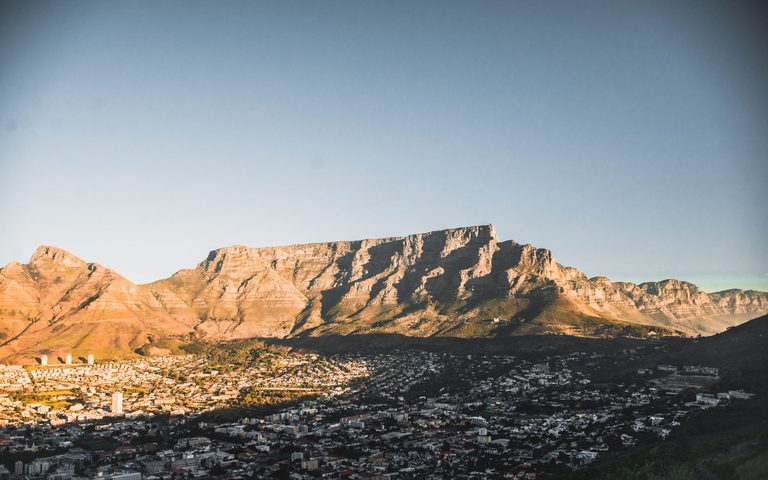
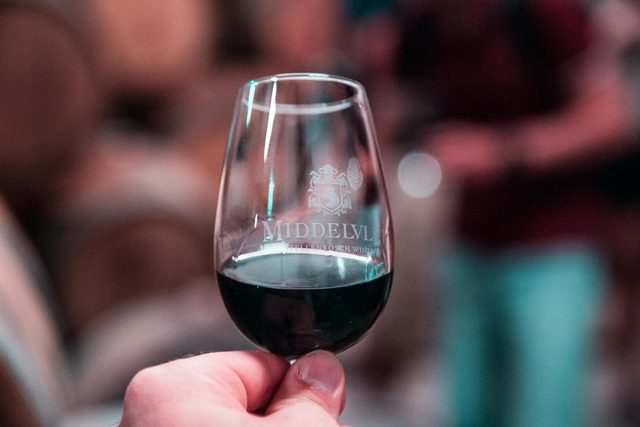
Cape Town first, Winelands second, bush last. Three to four nights in Cape Town for Table Mountain, the peninsula and the coast; two to three around Stellenbosch and Franschhoek for cellar tastings and estate lunches, with private estate visits and stays on working wine farms available in place of the public cellar door; then the domestic connection through Johannesburg to a bush airstrip. Ten to twelve nights, and the safari at the end rather than the beginning, because nobody wants a 5.30am start on day two of a holiday. For the sea at the end instead of the Cape, a light aircraft from the Kruger reaches Vilanculos in a morning, and a helicopter the Bazaruto islands of Mozambique — three or four nights in the bush, then five to seven on the islands.
Who should choose a different country?
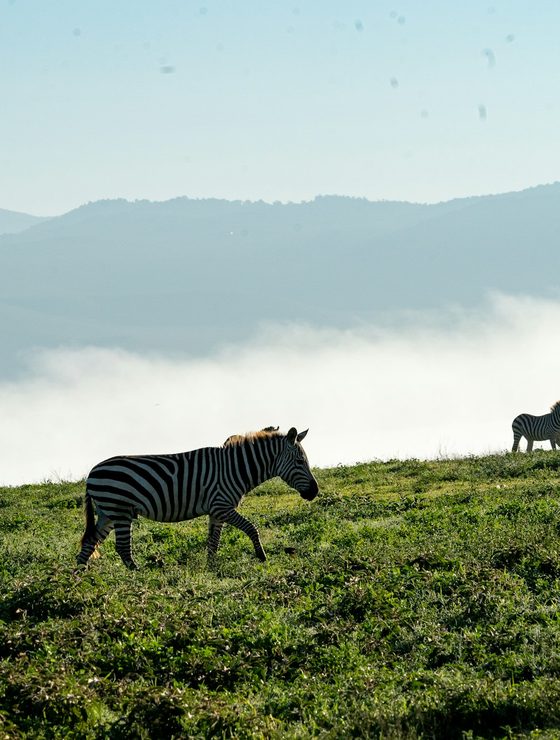
Anyone who came for the Great Migration, and anyone determined to see the Cape and the Kruger both at their best in one trip. The first is in Tanzania and Kenya; the second is arithmetic you cannot win, and an advisor who tells you otherwise is selling you a compromise without naming it. South Africa is also the wrong answer if you want the emptiness of the Okavango — the private reserves here are superb and busier, and we will say so before you book.