South Africa in the Dry Season
Clear waters and prime conditions — South Africa at its best. A private, tailored journey of 7 Days · 6 Nights in South Africa, Safaris, designed end to end by a Forest Travel advisor — with Virtuoso privileges at the finest luxury hotels, from US$12,500 per traveler.
- Ideal length: 7 Days · 6 Nights
- Best time: From June to October, the best window for South Africa.
- Private guiding, access and transfers throughout
- From US$12,500 per traveler — a starting point, tailored to you
- Designed one-to-one by a Forest Travel advisor
- Virtuoso privileges at the finest luxury hotels
Clear waters and prime conditions — South Africa at its best. A private, tailored journey of 7 Days · 6 Nights in South Africa, Safaris, designed end to end by a Forest Travel advisor — with Virtuoso privileges at the finest luxury hotels, from US$12,500 per traveler.
Africa rewards those who travel privately, trading crowds for the quiet company of a guide who knows the land intimately.
When to go
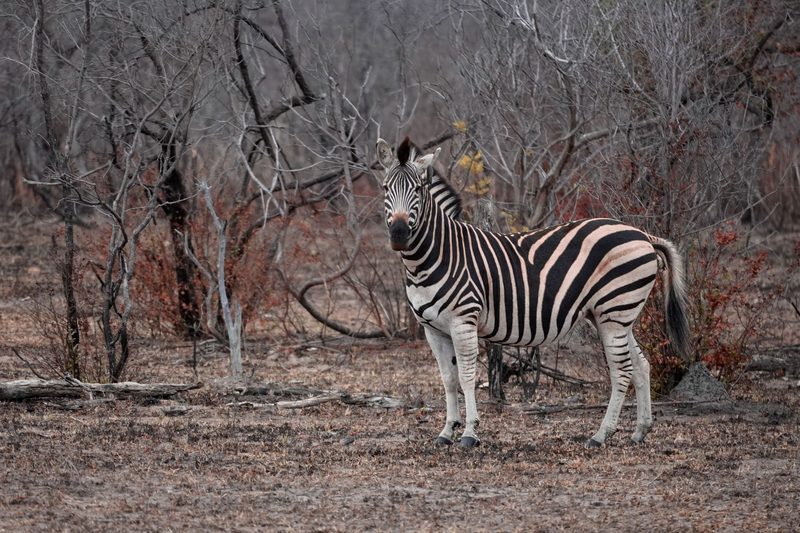
From June to October is the best window for South Africa. Your advisor times it to the light, the crowds and your own calendar.
The experiences
A sense of what this journey can hold — each one arranged privately and shaped to you:
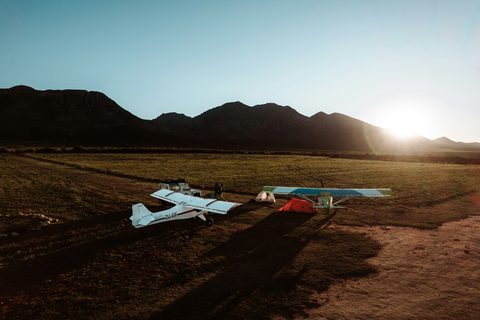
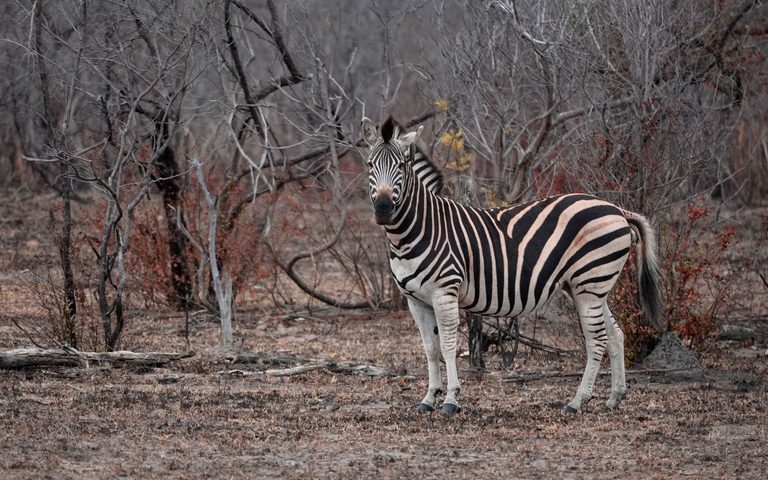
- A private fly-in to a concession in the Greater Kruger, timed to June's bone-dry bush when animals cluster around the last standing waterholes and sightings can last an unbroken hour.
- A sunrise hot-air balloon flight over the Waterberg plateau, privately arranged so your basket carries no more than two couples above a landscape that turns amber before the camp has served its first coffee.
- A guided night drive through a private reserve in the southern Drakensberg foothills, where the absence of tourist traffic in the dry months leaves the spotlight to leopard, civet and a sky dense enough to warrant a resident astronomer.
- A private fly-out to the Sabi Sand, where the weeks between late May and September produce the clearest riverine light of the year and the finest luxury hotels in the reserve offer walking safaris led by senior field guides with decades in the lowveld.
A sense of the rhythm
Days open before first light with a tracker already reading the sand from the Land Cruiser's bonnet seat, and the cold, dry air at six in the morning is part of the experience — a blanket, a flask of coffee, silence. Midday returns you to camp for a long lunch, a plunge pool and the kind of stillness that makes a three-hour afternoon sleep feel earned. The second game drive begins at four and runs past dark, with the spotlight introducing a nocturnal cast entirely different from what the morning showed.
Whether to anchor the itinerary in one private concession or move between two distinct ecosystems
Staying within a single concession — say, the Sabi Sand or Timbavati — rewards the guest who wants continuity: the same tracker learns your pace, big cats become recognisable individuals, and the bush begins to feel inhabited rather than visited. Moving between two ecosystems, such as the Lowveld and a malaria-free reserve in the Eastern Cape, adds ecological contrast — different Big Five dynamics, different vegetation, often a marked shift in altitude and temperature. In the dry season specifically, the trade-off sharpens: waterhole concentrations in the Kruger system are so reliable between June and September that leaving early carries a real opportunity cost. We advise most first-time dry-season travellers to commit three or four nights to one concession before moving, rather than splitting the week evenly.
How to do it well
The counsel our advisors give travelers planning this journey:
- Book concession beds for June through September no later than January of the same year — the finest private lodges in the Sabi Sand and Timbavati release allocation to agents before they open to the public, and peak dry-season dates go in the first weeks.
- Schedule your fly-in transfers through Hoedspruit or Skukuza rather than driving from Johannesburg; the charter adds roughly ninety minutes of logistics but removes a five-hour road journey and delivers you to the bush by midday on arrival day.
- Pack specifically for cold mornings: dawn temperatures in the Lowveld drop to single digits Celsius in June and July, and an open vehicle at speed amplifies the chill — your packing list should include a down layer and thermal gloves regardless of what the destination's average temperature suggests.
- If you intend to add a Cape Town extension, position it at the start of the journey rather than the end; the dry-season Lowveld has a cumulative intensity, and arriving on the Waterfront after four nights in the bush allows the city to decompress you rather than compete with the bush for attention.
What only your advisor can open
The difference between a good trip and an unrepeatable one is access — and access is a relationship, not a booking. Every guide, room and moment is chosen and sequenced for you.
Who it's for
Travelers who value privacy, time and doing it once — beautifully — and who would rather have one trusted advisor orchestrate every detail than assemble it themselves.
Estimated investment
From US$12,500 per traveler, based on double occupancy — scaled to your dates, party size and level of privacy. A starting point, not a final quote; confirmed once your advisor tailors the itinerary.
Designed entirely around you
Nothing here is a package. A Forest Travel advisor shapes the whole journey and stays one message away before and throughout your trip.
Your Virtuoso privileges
As a Virtuoso member, Forest Travel includes benefits reserved for Virtuoso guests at the finest luxury hotels, at no added cost: a room upgrade on arrival when available, daily breakfast for two, a property credit toward dining or spa, and early check-in with late check-out when the hotel allows.
Continue exploring South Africa
Part of our South Africa travel guide. Related private journeys:
Begin the conversation
Tell a Forest Travel advisor how you like to travel and they will design South Africa in the Dry Season around you — privately, every Virtuoso privilege included. Request your private consultation →
Questions, answered.
Staying within a single concession — say, the Sabi Sand or Timbavati — rewards the guest who wants continuity: the same tracker learns your pace, big cats become recognisable individuals, and the bush begins to feel inhabited rather than visited. Moving between two ecosystems, such as the Lowveld and a malaria-free reserve in the Eastern Cape, adds ecological contrast — different Big Five dynamics, different vegetation, often a marked shift in altitude and temperature. In the dry season specifically, the trade-off sharpens: waterhole concentrations in the Kruger system are so reliable between June and September that leaving early carries a real opportunity cost. We advise most first-time dry-season travellers to commit three or four nights to one concession before moving, rather than splitting the week evenly.
A dry-season safari day in South Africa begins before first light, with a tracker reading the sand from the Land Cruiser's bonnet seat and a blanket and flask of coffee against the cold six o'clock air. Midday brings you back to camp for a long lunch, a plunge pool and a well-earned afternoon rest. The second game drive starts at four and runs past dark, when the spotlight reveals a nocturnal cast quite different from the morning's.
For a dry-season safari in the Greater Kruger, fly-in transfers through Hoedspruit or Skukuza are better than driving from Johannesburg. The charter adds roughly ninety minutes of logistics but removes a five-hour road journey, and it delivers you to the bush by midday on arrival day, in time to settle in before the afternoon.
For dawn game drives in South Africa's Lowveld in June and July, pack a down layer and thermal gloves. Dawn temperatures can drop to single digits Celsius, and an open vehicle at speed amplifies the chill, so plan for cold mornings regardless of what the destination's average temperature suggests. The cold, dry air at six in the morning, with a blanket and a flask of coffee, is part of the experience.
The Sabi Sand is at its most luminous between late May and September, when the reserve has the clearest riverine light of the year. On this journey it is reached by a private fly-out, and the finest luxury hotels in the reserve offer walking safaris led by senior field guides with decades in the lowveld, a way to experience the dry-season bush on foot.
For a dry-season safari in South Africa, book concession beds for June through September no later than January of the same year. The finest private lodges in the Sabi Sand and Timbavati release allocation to agents before they open to the public, and peak dry-season dates go in the first weeks. A Forest Travel advisor can secure these beds as part of the journey.
On a dry-season safari journey in South Africa, Forest Travel advisors recommend positioning a Cape Town extension at the start of the trip rather than the end. The dry-season Lowveld has a cumulative intensity, and the aim is for time on the Waterfront to decompress you rather than compete with the bush for your attention.
A guided night drive through a private reserve in South Africa's southern Drakensberg foothills can reveal leopard and civet in the spotlight. In the dry months there is no tourist traffic to share it with, and the night sky is dense enough to warrant a resident astronomer. Like every experience on this journey, the drive is arranged privately and shaped to you.
South Africa in the Dry Season is designed as 7 Days · 6 Nights. Each safari day opens before first light with a tracker, a blanket and a flask of coffee, returns to camp at midday for a long lunch, a plunge pool and rest, then resumes with a second game drive at four that runs past dark. Fly-in transfers through Hoedspruit or Skukuza put you in the bush by midday on arrival day, and most first-time dry-season travellers are advised to commit three or four nights to one concession before moving.
As a private, tailored journey it starts from roughly US$12,500 per traveler (double occupancy) and scales with your dates, party and level of privacy — a starting point, never a fixed package price. Your advisor confirms the figure once the itinerary is tailored.
The best time for South Africa in the Dry Season is June through October, when thinning bush and gathering herds make wildlife easiest to find. In June, the bone-dry bush of the Greater Kruger draws animals to the last standing waterholes, where sightings can last an unbroken hour; waterhole concentrations in the Kruger system are especially reliable between June and September. The Sabi Sand has its clearest riverine light between late May and September. Dawn in the Lowveld is cold in June and July, so pack a down layer and thermal gloves.
No. On a private safari, pace matters more than age: your own vehicle, tracker and guide set the length of each drive, and fly-in transfers through Hoedspruit or Skukuza replace the long road from Johannesburg. In June and July, dawn drives in the Lowveld can drop to single digits Celsius, so a down layer and thermal gloves help. Tell your advisor about mobility or health needs, and the camps and transfers are chosen around them.
Cape Town and the Winelands are at their peak in the southern summer, from November to March. That is six months away from the dry-season safari window in the Greater Kruger, so a single trip means choosing which half to favour. Travel in the dry season and the Cape is cooler and greener, with southern right whales off Hermanus from June to November; on this journey your advisor places Cape Town at the start.
Safaris
See the collection →Tell a private advisor how you like to travel — no quotes, no obligation.
Speak With a Luxury Travel AdvisorA real person answers: an in-house luxury travel advisor, in English or Spanish. The first conversation is complimentary.