The Okavango Photographic Safari
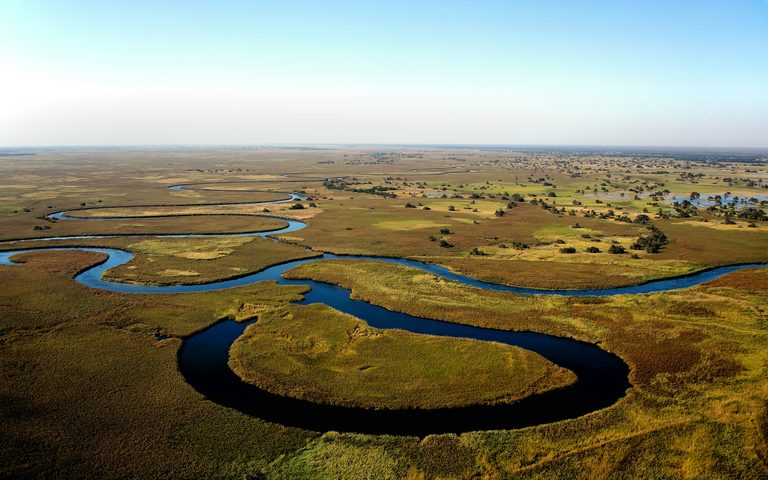
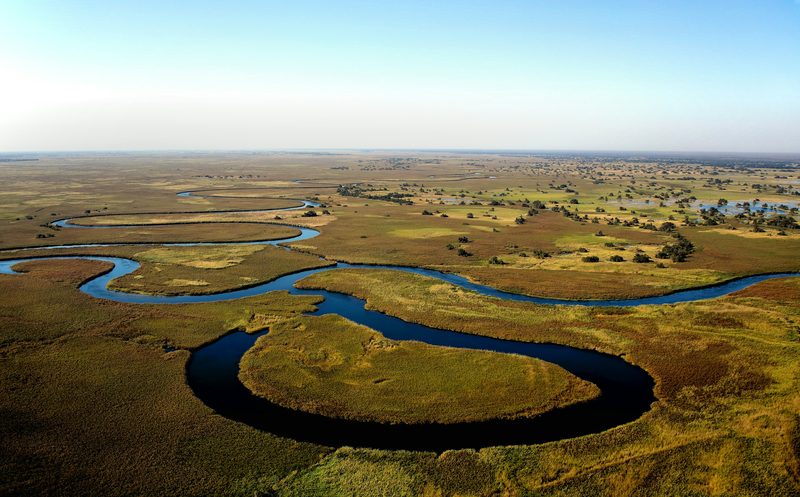
The Okavango is one of the most photographed wetlands in Africa for a reason: water and light at ground level, predators on open floodplains, and — from the air — patterns you cannot see any other way. This is the trip built around the frame.
- Ideal length: 9 days, 8 nights — the delta, a predator camp and the Chobe River
- Best time: July to October for water, dust and predators
- Private vehicle, doors-off helicopter and camera boats with gimbals
- From around US$800 per person, per night — tailored to the camps you choose
- Designed one-to-one by a Forest Travel advisor
The Okavango is one of the most photographed wetlands in Africa for a reason: water and light at ground level, predators on open floodplains, and — from the air — patterns you cannot see any other way. This is the trip built around the frame.
Why a private vehicle?
Because the shot rarely comes in the ten minutes a shared vehicle can give it. With your own vehicle and guide you stay with the sighting until the light changes, position on the right side of the animal and leave the engine off. In a country of small camps and private concessions, there is rarely another vehicle to work around.
What does the helicopter add?
The view that makes the delta make sense. With the doors removed, every seat is a window seat and nothing stands between the lens and the channels, islands and herds below. Flights leave from Maun or from camp, and your advisor times them for the low light of early morning or late afternoon.
Which camps for photographers?
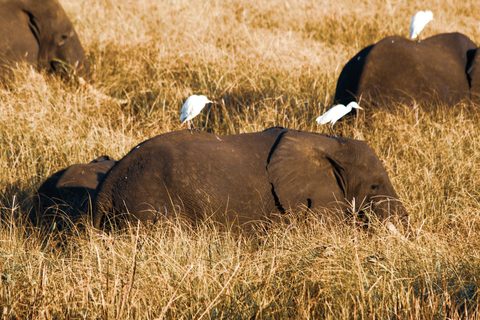
Duba Plains, for lion and buffalo on open floodplains. Mombo, on Chief's Island, for the delta's densest predator viewing. And Kasane on the Chobe River, where Pangolin Photo Safaris runs eight-seat boats with rotating seats and a gimbal at each one, sitting low enough to put you at eye level with elephants coming down to drink.
What about luggage?
Light aircraft carry around 20 kg per person including all camera gear, in soft bags — and some operators hold it at 15 kg. That is the real constraint on a photographic safari here. A private charter or an extra seat removes it; your advisor confirms the allowance for every leg.
When should you go?
July to October. The flood is high from July, the land dries and the animals concentrate, and the dust of September and October turns the low sun gold. The green season, November to March, trades game density for dramatic skies and newborn animals.
Related journeys
The camps, the seasons and the fees behind this route are set out in our Botswana safari guide. More private journeys there:
Begin the conversation
Tell a Forest Travel advisor how you like to travel and they will design The Okavango Photographic Safari around you — privately, every Virtuoso privilege included. Request your private consultation →
Questions, answered.
July to October: high water in the delta, animals concentrated on the remaining grazing, and dusty, golden light in September and October. The green season trades density for skies and newborn animals.
Around 20 kg per person including hand luggage and all camera equipment, in soft bags, and some operators allow only 15 kg. A private charter or an extra seat removes the limit.
Yes, for a photographer above all: with the doors removed every seat is a window seat, and the channels, islands and herds are only legible from the air. Your advisor times the flight for early or late light.
Duba Plains for lion and buffalo, Mombo on Chief's Island for predators, and the Chobe River at Kasane, where purpose-built camera boats put you at eye level with elephants.
Safaris
See the collection →Tell a private advisor how you like to travel — no quotes, no obligation.
Begin Your Private Consultation