Sustainable Luxury Travel: Conservation Safaris, Reef Work and Slower Trips
Eco-conscious luxury travel is less about a label than about where the money goes and how the trip is shaped. The places where it is concrete, and the questions that separate a real conservation programme from a brochure.
- Skift Research's State of Travel 2026 lists the Eco-Conscious Traveler among the traveller types least likely to cut back on travel in the U.S., the UK and China.
- Kenya's private conservancies lease land from the communities who own it and cap beds against the acreage; the conservation fee is what keeps vehicle numbers down.
- In 2017 Rwanda raised the share of park tourism revenue paid to communities around its parks from 5% to 10%, alongside the gorilla permit.
- Travelling slower is the simplest lever: fewer, longer stays mean fewer flights and transfers.
- Ask a lodge what share of the rate funds conservation or the community, and which programmes run on your dates.
The short answer
Sustainable luxury travel means choosing places where your stay pays for the land, the wildlife or the reef it depends on, and shaping the trip so it needs fewer flights. In practice that is a safari in a private conservancy or concession rather than on a crowded park road, a conservation journey alongside researchers and rangers, a gorilla permit in Rwanda, marine work on a Maldives biosphere atoll, and an itinerary with two or three long stays instead of six short ones. Then ask each property what it funds, and expect a specific answer.
Why eco-conscious travellers keep travelling
Skift Research's State of Travel 2026, a survey with data as of December 2025 and samples from China, India, the UK and the U.S., places the Eco-Conscious Traveler among the traveller types least likely to cut back on travel despite higher prices in three of its four markets: second in China, joint second in the UK and also on the U.S. list. The same report finds adventure and nature second only to food among the activities travellers are most likely to spend on in 2026, at 48%. And in the 2026 Virtuoso Luxe Report, a survey of more than 2,400 advisors, avoiding over-touristed destinations ranks first among the sustainable practices clients support.
For a luxury traveller this is good news rather than a constraint. The places where a stay does the most for conservation are often the most private: a conservancy with a handful of vehicles, a reef with a resident marine team, a forest where eight people a day meet a gorilla family.
Conservation safaris: where the rate pays for the land
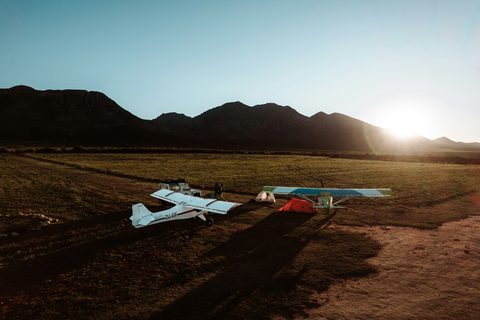
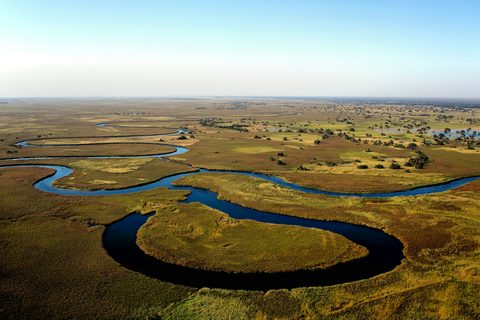
The clearest model is the private conservancy. In Kenya's conservancies around the Maasai Mara, the land is leased from the communities who own it and the number of beds is capped against the acreage; the conservation fee, US$80–150 per person per night and usually inside the camp rate, is what keeps vehicle numbers down. Botswana's private concessions and South Africa's Sabi Sand and Timbavati carry the same permissions to walk, drive at night and leave the road to reach a sighting, which national parks do not allow (private conservancy vs national park).
A conservation journey goes further: mornings with researchers collaring lions or tracking wild dogs, a day with an anti-poaching unit, a rhino notching alongside the veterinary team, time with community elders on how conservation and livelihoods fit together (conservation journey). In South Africa it can mean a working morning with a rhino-monitoring team in the Greater Kruger or a field day with a wildlife veterinarian; observer places on scheduled veterinary operations are limited, so book at least nine months ahead (conservation in South Africa).
Gorillas and reefs: where the visit is the protection
Mountain gorillas live only in the Virunga massif and Uganda's Bwindi Impenetrable Forest. The model is high value and low volume: eight visitors per gorilla family per day, for one hour, under a government permit that is capped and dated, at US$1,500 per person per trek in Rwanda at the time of writing. When the Rwanda Development Board doubled the permit price in 2017, it also raised the share of park tourism revenue paid to the communities around the parks from 5% to 10% (gorilla trekking in Rwanda and Uganda).
At sea, the equivalent is a Maldives island where the marine team is part of the stay. Baa Atoll is a UNESCO biosphere reserve, and on a conservation island there guests can plant coral on the reef nursery, join a guided reef survey that becomes part of the biosphere's record, and attend a nesting-turtle briefing. Programmes shift with the season, so ask which will run on your dates, and bring reef-safe sunscreen (the conservation retreat).
Travel slower, fly less
Flights are the part of a trip you control most directly, and the way to reduce them is to make fewer moves. Give every stop at least three nights, choose two or three bases rather than five, and let one long-haul flight carry a longer trip rather than several short ones. On safari, staying longer in one conservancy, or pairing one conservancy with one national park rather than hopping between three camps, cuts the light-aircraft legs and tends to improve the sightings, which often come on days three and four (how many days a safari should be). Travelling in the shoulder season, or in the green season on safari, also eases the pressure on places that are crowded at their peak (off-peak luxury travel).
What to ask a lodge or camp before you book
- What share of the rate, or what fixed fee per night, goes to conservation or to the community that owns the land?
- Is the camp inside a conservancy or concession that caps beds and the number of vehicles at a sighting?
- Which research, anti-poaching or reef programmes can guests join, and which run on our dates?
- How many of the guides and staff come from the surrounding communities?
- How are water, waste and power handled, and can you show figures rather than a policy?
A property with a real programme answers with figures and the names of its projects. A vague answer, or a certificate with nothing specific behind it, is the signal to keep asking. Your advisor can put these questions to each camp and compare the answers across the options.
Where to start, and what it starts from
For a first conservation trip, a safari of nine to twelve days that combines a private conservancy with a field programme is the most concrete; for the ocean, a Baa Atoll stay of seven to nine days; for the most demanding, gorillas in Rwanda first, then the savannah. Indicatively, conservation journeys start from US$12,800 per traveller for eight days in South Africa and from US$15,000 per traveller across Africa's safari countries, based on double occupancy, and Forest Travel's planning fee is US$250 per itinerary. See our safari guide, or speak with an advisor.
Questions, answered.
The most concrete are those where your stay funds the land or the wildlife: safaris in Kenya's private conservancies, Botswana's concessions and South Africa's Greater Kruger reserves; gorilla trekking in Rwanda, where visits are capped and 10% of park tourism revenue goes to the communities around the parks; and Baa Atoll in the Maldives, a UNESCO biosphere reserve where guests can join coral and reef programmes.
Sustainable luxury travel is a trip shaped so that your stay supports the places it depends on: a lodge whose rate funds conservation or pays the community that owns the land, fewer and longer stays that need fewer flights, and seasons that avoid the busiest weeks. The comfort is unchanged; what changes is where the money goes and how many times you move.
Usually, yes, because the model ties your stay to the land. Kenya's conservancies lease land from the communities who own it and cap beds against the acreage, and the conservation fee of US$80–150 per person per night, usually inside the camp rate, keeps vehicle numbers low. National parks still hold spectacles a conservancy cannot replicate, so many itineraries pair the two.
Yes, on a conservation journey. Depending on the reserve and the season, guests can join researchers collaring lions or tracking wild dogs, ride out with an anti-poaching unit, or assist at a rhino notching with the veterinary team. Observer places on scheduled veterinary operations in South Africa are limited, so book at least nine months ahead.
Ask what share of the rate, or what fee per night, goes to conservation or to the community; whether beds and vehicles at a sighting are capped; which research or reef programmes guests can join on your dates; how many staff come from nearby communities; and how water, waste and power are handled. A real programme answers with figures and named projects, not a certificate alone.
Make fewer moves. Give every stop at least three nights, choose two or three bases rather than five, and let one long-haul flight carry a longer trip. On safari, staying longer in one conservancy cuts the light-aircraft legs and tends to improve the sightings. Travelling in the shoulder season, or the green season on safari, also eases pressure on places crowded at their peak.
Yes. On a Baa Atoll conservation island the resident marine team is part of the stay: guests can plant coral on the reef nursery, join a guided reef survey and attend a nesting-turtle briefing. Programmes shift with the season, so ask which run on your dates; November to April brings the clearest underwater visibility of the year. Reef-safe sunscreen is expected.
Conservation journeys start from US$12,800 per traveller for eight days in South Africa and from US$15,000 per traveller for nine to twelve days across Africa's safari countries, based on double occupancy. The figure scales with your dates, party size and level of privacy. Forest Travel's planning fee is US$250 per itinerary, always charged.
Safaris
See the collection →Tell a private advisor how you like to travel — no quotes, no obligation.
Speak With a Luxury Travel AdvisorA real person answers: an in-house luxury travel advisor, in English or Spanish. The first conversation is complimentary.