The Best Custom Luxury Travel Itineraries for Couples
The best custom luxury itinerary for couples is built around the occasion, not a package. One advisor designs the whole journey for two — the suite with the view, the dinner arranged only for you, the day left deliberately open — and reshapes it as you go. Fully private journeys start from around US$10,000 per traveler.
- What is custom about a custom itinerary is the sequence and the pace — the order of the stops, the nights each one gets, and how much of each day stays unbooked — not the hotels, which anyone can book.
- Three hotels is the ceiling for a ten-day couples trip and two is usually better, because every change of base costs roughly half a day in packing, transfer and check-in.
- Forest Travel's published indicative rates make a quote checkable: at Italy's ~US$1,200 per person per night, ten nights for two comes to about US$24,000 before international flights, against a cross-destination working figure of about US$1,500, with rates from US$900.
- Villas reward stays past seven nights because they come with staff and a kitchen you direct; resort suites work better under seven, where service matters more than autonomy.
- "Access" means three specific things — a room held before release, a table where public reservations do not exist, and a site opened outside published hours — none of which is inventory you can buy online.
- A custom itinerary is the wrong answer for one hotel and one week with no moving parts; it earns its fee where sequencing, internal flights, constrained inventory or an immovable date can go wrong.
- Los Angeles to Papeete is under eight hours nonstop and Papeete to Bora Bora about fifty minutes, but bags are not checked through, so a three-to-four-hour connection in Papeete is the realistic plan.
What is actually custom about a custom itinerary?
The sequence and the pace, not the ingredients. Almost anyone can book the same hotels; what changes with an advisor is the order they come in, how many nights each gets, what sits between them, and how much of each day is left alone. A package fixes all four in advance and sells the result. A custom itinerary fixes only what has to be committed early — rooms, internal flights, a handful of guides — and leaves the rest movable while you travel. Couples journeys.
Private guide or private driver — which do you actually need?
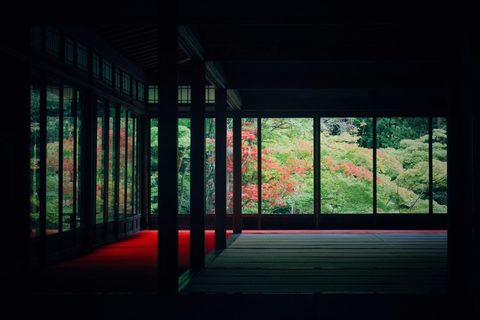
A driver moves you; a guide changes what you understand. Most couples over-buy guiding and under-buy transfers, then spend the trip in taxis with a historian they did not want. The working split is a private driver for every transfer that involves luggage or a schedule, and a private guide only for the two or three places where the difference between guided and unguided is real — a site with restricted access, a city with a layered history, a region where the language closes doors. Kyoto earns a guide; a beach day does not.
How much of the day should be scheduled?
One fixed thing per day, two at most, and never two on an arrival day. A couples itinerary fails when it is dense rather than when it is thin — the memorable part of a good trip is usually the unbooked afternoon that followed the booked morning. We schedule the things that cannot be arranged spontaneously and deliberately leave the rest open, which is also what makes the itinerary reshapeable once you are on the ground.
What is inside the number you are quoted?
Hotels and suites, private transfers and internal flights, the guides, the reserved tables, and the gratuities that otherwise interrupt a trip. Forest Travel publishes indicative nightly rates so the total is checkable rather than assumed: Italy ~US$1,200 per person per night, Greece ~US$1,350, Maldives ~US$1,950, Bora Bora ~US$2,050, with a working average near US$1,500, with rates from US$900. Ten nights for two in Italy is therefore about US$24,000 before international flights. Fully private journeys start from approximately US$10,000 per traveler.
Villa or resort suite?
Villa when you want staff and a kitchen, suite when you want service and no decisions. A villa gives you a household — a cook, a housekeeper, a schedule you set — and it rewards longer stays and self-direction. A resort suite gives you a front desk, a spa and someone else's operating hours. The rule of thumb is that villas work past seven nights and suites work under seven; below that, a villa is a lot of house for a short time. Mallorca, Provence and the Caribbean are villa country.
What does "access" actually mean?
Three concrete things, all of them relationships rather than inventory: a room held before it is released to the market, a table at a restaurant that does not take public reservations, and a site opened outside its published hours. A Virtuoso booking adds a documented layer on top — daily breakfast for two, upgrade priority at check-in when the category above is unsold, a property credit of roughly US$100, and early check-in or late checkout subject to availability, at no premium over the public rate. Forest Travel has been a Virtuoso member since 2004.
How many hotels in ten days?
Three at most, and two is usually better. Every hotel change costs a half-day: packing, transfer, check-in, and the hour it takes to learn a new building. Four hotels in ten days spends two of them in transition. If a region needs more bases than that, it needs more days — or it needs to be split across two trips. Italy tempts couples into five stops; Lake Como and Venice in ten days beats five towns in ten days.
What can still be changed after you have paid?
Nearly everything except the flights and the rooms in the constrained places. Guides, drivers, tables and day plans move on a phone call. Rooms move when the property has room to move. The things that genuinely lock are the ones with fixed inventory — an overwater villa in high season, a lodge with eight tents, an internal flight in a country with one carrier — which is exactly why they are the first thing an advisor commits and the last thing worth renegotiating.
Which destinations reward a private itinerary most?
The ones where logistics, language or access are the limiting factor rather than money. Japan rewards it because the best rooms in blossom season go before the first official bloom forecast is even published in December or January. The Maldives rewards it because seaplanes fly daylight only, roughly 06:00 to 16:00, so ticketing decides whether you sleep in Malé or at the resort. A private safari rewards it because camps are small and the Mara crossings concentrate into August and September.
Two places, one journey — how do you pair them?
Pair by contrast and sequence by descending energy. The second place should change the pace rather than repeat it, and the flight between them should be short enough to forget. Active first and still second ends the trip in quiet; reversed, it ends in logistics. From Miami, the Caribbean is the short second leg; in the Pacific, Los Angeles to Papeete is under eight hours nonstop and Papeete to Bora Bora about fifty minutes — but bags are not checked through, so allow three to four hours in Papeete.
When is a custom itinerary the wrong answer?
When the trip is one hotel, one week, and no moving parts. A stay at a single all-inclusive resort in Punta Cana or a week in one Barbados villa does not need an itinerary; it needs a good room and a good rate, and a Virtuoso booking will still improve both. Custom design earns its fee where there is sequencing to get wrong — multiple countries, internal flights, constrained inventory, or a date that cannot move.
What happens when something breaks while you are travelling?
One named person who already knows your itinerary picks up, rather than a call centre that does not. This is the part of advisory work that is invisible until a flight cancels at 22:00 in a country where you do not speak the language, and it is the practical reason to have a single point of ownership for the whole journey rather than six confirmation emails from six suppliers.
How does the first conversation go?
Short, and about you rather than about destinations. We ask for the dates and whether they can move, how the two of you actually spend a good day, the number you do not want to exceed, and where either of you has already been. Forest Travel charges a planning fee of US$250, quoted in writing before any work begins and applied to every itinerary. The first consultation is free and carries no obligation.
Questions, answered.
The sequence and the pace rather than the ingredients. A package fixes the order of the stops, the nights each gets and the content of each day in advance. A custom itinerary commits only what has fixed inventory — rooms, internal flights, a few guides — and leaves the remainder movable while you travel.
Three at most, and two is usually better. Each change of base costs roughly half a day in packing, transfer, check-in and learning a new building, so four hotels in ten days spends two of those days in transition. A region that needs more bases needs more days.
Forest Travel publishes indicative nightly rates by destination — Italy ~US$1,200 per person per night, Greece ~US$1,350, the Maldives ~US$1,950, Bora Bora ~US$2,050 — with a working average near US$1,500, with rates from US$900. Ten nights for two in Italy therefore comes to about US$24,000 before international flights, and fully private journeys start from approximately US$10,000 per traveler.
Villas suit stays past seven nights, because they come with staff, a kitchen and a schedule you set, and reward self-direction. Resort suites suit stays under seven nights, where a front desk, a spa and someone else's operating hours are worth more than autonomy.
A room held before it is released to the market, a table at a restaurant that does not take public reservations, and a site opened outside its published hours. A Virtuoso booking adds daily breakfast for two, upgrade priority at check-in, a property credit of about US$100, and early check-in or late checkout subject to availability, at no premium over the public rate.
The flight itself is about fifty minutes over roughly 170 miles, on the domestic carrier. Because checked bags are not transferred automatically after an international arrival, allow at least three hours in Papeete and four to be comfortable — you clear customs, collect your luggage and re-check it for the inter-island flight.
On a luxury couples itinerary, most trips need a private driver more than a private guide. A driver moves you; a guide changes what you understand. The working split is a driver for every transfer involving luggage or a schedule, and a guide only for the two or three places where it truly matters: a site with restricted access, a city with layered history, or a region where the language closes doors. Kyoto earns a guide; a beach day does not.
A custom couples trip works best with one fixed thing per day, two at most, and never two on an arrival day. These itineraries fail when they are dense rather than thin; the memorable part is usually the unbooked afternoon after a booked morning. Only what cannot be arranged spontaneously is scheduled, and the rest is left deliberately open, which is also what lets the itinerary be reshaped once you are on the ground.
A couple should pair two destinations by contrast and sequence them by descending energy. The second place should change the pace rather than repeat it, and the flight between them should be short enough to forget. Active first and still second ends the trip in quiet; reversed, it ends in logistics. From Miami, the Caribbean is the short second leg; in the Pacific, Los Angeles to Papeete is under eight hours nonstop.
Japan, the Maldives and a private safari reward private planning because logistics and access, not money, are the limit. In Japan, the best blossom-season rooms go before the first official bloom forecast is published in December or January. In the Maldives, seaplanes fly daylight only, roughly 06:00 to 16:00, so ticketing decides whether you sleep in Malé or at the resort. On safari, camps are small and the Mara crossings concentrate into August and September.
Nearly everything in a custom couples itinerary can change after payment except flights and rooms in constrained places. Guides, drivers, tables and day plans move on a phone call, and rooms move when the property has room. What genuinely locks is fixed inventory: an overwater villa in high season, a lodge with eight tents, an internal flight in a country with one carrier. Those are committed first and are the last thing worth renegotiating.
Tell a private advisor how you like to travel — no quotes, no obligation.
Speak With a Luxury Travel AdvisorA real person answers: an in-house luxury travel advisor, in English or Spanish. The first conversation is complimentary.