Luxury Bleisure Travel: How to Add Leisure Days to a Business Trip
Business and leisure travel works when the leisure days are planned as a trip of their own, not as an afterthought to a meeting. Which cities pair with which escapes, how many nights to add, and how to keep both legs with one advisor.
- Skift Research's State of Travel 2026 names the Bleisure Traveler first among the U.S. traveller types least likely to cut back on travel despite higher prices.
- Add at least three nights: every transfer takes two half-days, so anything shorter is a transfer, not a stay.
- Pair each business city with a contrasting escape a short hop away: London with the Cotswolds or Scotland, Tokyo with Kyoto or Hakone, Dubai with the desert, Mexico City with the coast.
- Fly into the business city and home from the escape, and let a partner or family join for the leisure leg only.
- One advisor for both legs keeps flights, transfers and arrivals in a single plan; the leisure leg starts from around US$1,000 per person per night.
The short answer
Treat the leisure days as their own trip. Add at least three nights after the last meeting, or before the first, and choose an escape that is genuinely different from the business city and a short train ride or flight away. Fly into the business city and home from the escape, so no day is spent doubling back, and let a partner or family join for the second leg only. Keep both legs with one advisor, so the business flight, the transfer out of town and the arrivals of anyone joining you are planned as one itinerary rather than three separate bookings.
Why bleisure is a luxury question
Combining business with leisure is how many of our clients already travel: the meeting sets the city and the dates, and the days around it become the holiday. Skift Research's State of Travel 2026, a survey with data as of December 2025 and samples from China, India, the UK and the U.S., names the Bleisure Traveler first among the U.S. traveller types least likely to cut back on travel despite higher prices, and places it among the top three in China and India as well.
The same report is a fair guide to what the free days should hold. Food and culinary experiences lead the activities travellers are most likely to spend on in 2026, at 71%, followed by adventure and nature at 48%, arts, culture and history at 42%, and live events and entertainment and health and wellness, both at 36%. A business trip already puts you in a capital; the leisure leg is the chance to eat, walk and see it, or to leave it for somewhere quieter.
How many days to add, and on which side of the meetings
Three nights is the floor. Every transfer takes two half-days, so a three-night extension is really two full days on the ground, and anything shorter is a transfer rather than a stay; the arithmetic is set out in how to plan a luxury itinerary. Four or five nights lets the leisure leg settle into a rhythm of its own.
After the meetings usually works better than before. You arrive rested for the work, the agenda is behind you, and a partner or family can fly in to meet you at the escape. Before the meetings makes sense when the trip crosses many time zones: a few days in Kyoto or Hakone ahead of a week in Tokyo absorbs the jet lag somewhere calmer. A Thursday or Friday finish followed by the weekend and two or three extra days is the simplest shape, because the weekend does half the work.
Which business cities pair with which escapes
The escape should be close enough that the transfer costs a morning, not a day, and different enough that it feels like a second destination.
- London to the Cotswolds or Scotland. The English countryside, with its country houses, gardens and historic estates, is a short drive away; the Scottish Highlands are reached by fast rail, a private transfer or, on occasion, a helicopter or private flight. May to September is the prime window. See our luxury UK travel guide.
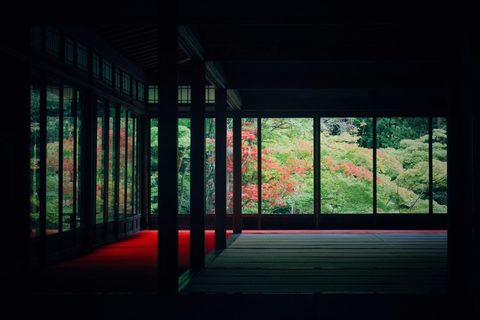
- Tokyo to Kyoto or Hakone. Kyoto is a little over two hours by Shinkansen, and Hakone about 80 minutes from Shinjuku on Odakyu's Romancecar, close enough for a ryokan stay after a week of meetings. See Kyoto and Hakone.
- Dubai to the desert. A private desert reserve is within the hour from the skyline, and a night or two among the dunes turns a city stay into something quieter. November to March is the comfortable season. See desert from the city.
- Mexico City to the coast. The capital is about two hours by air from the Yucatán, and the Pacific coast of Los Cabos is a domestic flight away; November to April is the dry season. See our luxury Mexico travel guide.
- New York and its own weekend. Not every escape needs a second city. In Manhattan the evenings and the weekend can become the leisure leg: the right tables, a private car on standby and one evening left open. See the power itinerary.
Bringing a partner or the family
The cleanest structure is for them to join the second leg. They fly in to the escape, or to the business city on the last day of meetings, and you meet there; nobody spends three days waiting in a hotel while you work. Their flights and the leisure nights are best kept on a booking separate from anything your company pays for, so that what is business and what is personal stays clear from the start. With children, school holidays usually decide the dates more than the meetings do, so give your advisor both calendars at once.
Flights, lounges and the order of the legs
An open-jaw ticket, into the business city and home from the escape, saves the day you would otherwise spend going back. On long-haul routes the cabin is often settled by inventory rather than by price: on the route to Tokyo, Japan Airlines' newest first-class cabin holds just six suites, so first class is arranged months out or not at all, and alliance status often decides the carrier before the cabin does (how to fly to Japan from the US). Lounges matter most on the business leg, where the time between the last meeting and the flight is working time, so choose the carrier and alliance that give you access on both legs. Private transfers connect the meeting hotel with the train, the airport or the next address without a gap (how private transfers work).
One advisor for both legs
The value of planning a bleisure trip is in the joins: the meeting that runs late, the train out of the city, the partner landing on a different flight. One advisor holding both legs sees those joins as a single itinerary. A Forest Travel advisor plans the business flights and the leisure days together and remains your single point of contact throughout; for company travel programmes, Forest Travel's corporate travel division, Telios Travel, handles the corporate side. Indicatively, the leisure leg of a luxury trip starts from around US$1,000 per person per night, and the planning fee is US$250 per itinerary, always charged (how advisors build a custom trip). To begin, speak with an advisor.
Questions, answered.
Plan the leisure days as a trip of their own. Add at least three nights after the last meeting, choose an escape that is different from the business city and a short train ride or flight away, book an open-jaw ticket into the business city and home from the escape, and keep both legs with one advisor, so the flights, transfers and anyone joining you sit in a single plan.
Bleisure travel is a business trip extended with leisure days, usually before or after the meetings. Skift Research's State of Travel 2026 names the Bleisure Traveler first among the U.S. traveller types least likely to cut back on travel despite higher prices. At the luxury end it means planning the leisure leg properly: a contrasting destination, at least three nights, and often a partner or family flying in to join.
At least three nights. Every transfer takes two half-days, so a three-night extension gives you two full days on the ground, and anything shorter is a transfer rather than a stay. Four or five nights lets the leisure leg settle into its own rhythm, and finishing the meetings on a Thursday or Friday lets the weekend do half the work.
After, in most cases. You arrive rested for the meetings, the agenda is behind you, and a partner or family can fly in to meet you at the escape. Before makes sense when the trip crosses many time zones: a few days in Kyoto or Hakone ahead of a week of meetings in Tokyo absorbs the jet lag somewhere calmer.
Yes, and the cleanest way is for them to join the leisure leg. They fly in to the escape, or to the business city on the last day of meetings, so nobody waits in a hotel while you work. Their flights and the leisure nights are best booked separately from anything your company pays for, which keeps business and personal costs clear from the start.
Those with a contrasting escape a short hop away. London pairs with the Cotswolds or the Scottish Highlands, Tokyo with Kyoto, a little over two hours by Shinkansen, or Hakone, Dubai with a night or two in the desert, and Mexico City with the Yucatán or Los Cabos. In New York, the weekend itself can become the leisure leg.
Yes. A Forest Travel advisor plans the business flights and the leisure days as one itinerary and remains the single point of contact, which matters most at the joins: a meeting that runs late, the transfer out of the city, a partner landing on a different flight. For company travel programmes, Forest Travel's corporate travel division, Telios Travel, handles the corporate side.
Indicatively, the leisure leg of a luxury trip starts from around US$1,000 per person per night, rising with the hotel, private guiding and transfers. Forest Travel's planning fee is US$250 per itinerary, always charged, not per traveller. We give a clear from-price and never quote a final total until the leisure days are designed around your dates.
Tell a private advisor how you like to travel — no quotes, no obligation.
Speak With a Luxury Travel AdvisorA real person answers: an in-house luxury travel advisor, in English or Spanish. The first conversation is complimentary.