What does the lavender calendar actually allow?
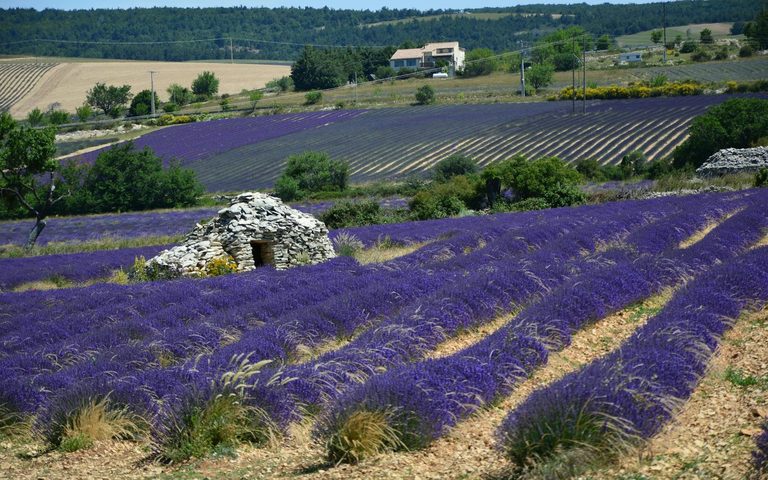
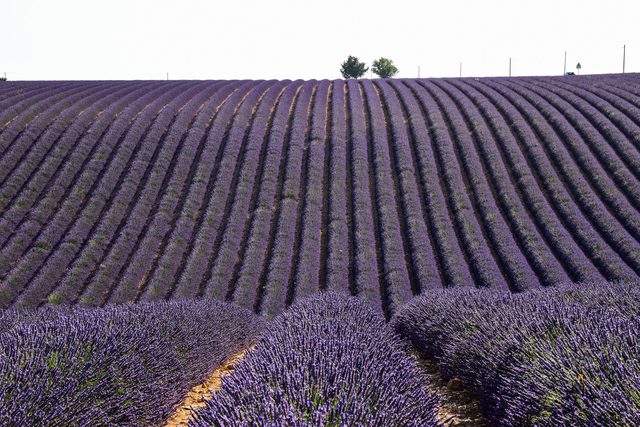
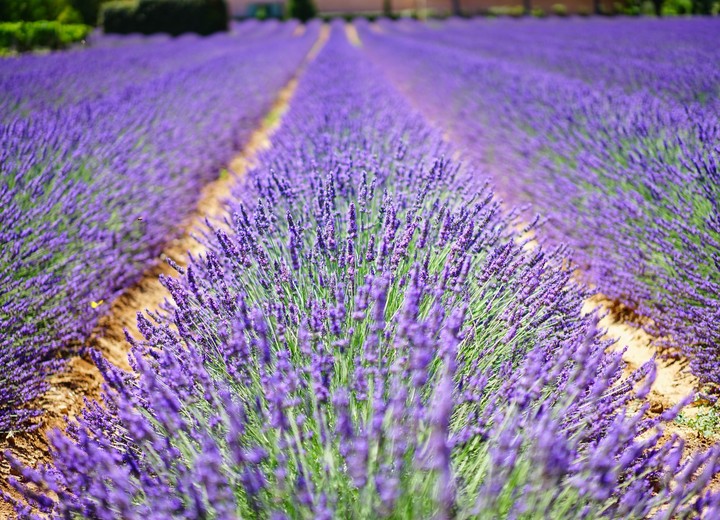
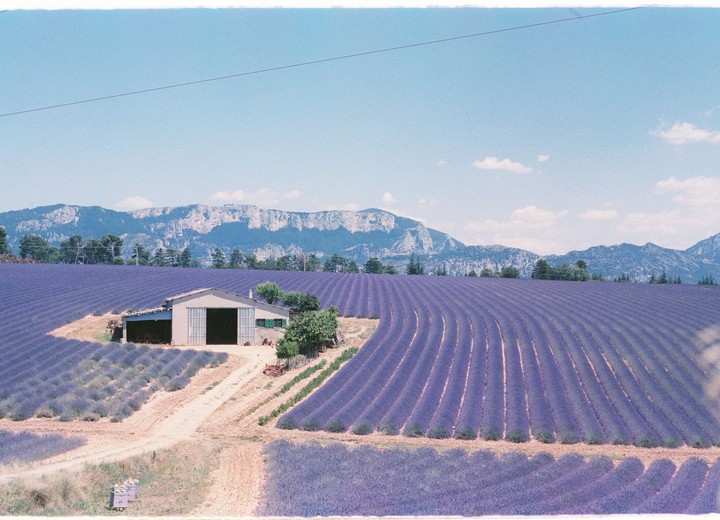
A three-week window, not a summer. On the Valensole plateau the fields colour from mid-June, peak from the last week of June to roughly 10 July, and the harvest begins around mid-July and is largely finished by early August. Aim for 20 June to 15 July if lavender is the reason for the trip. Sault and the higher Luberon run a little later than Valensole. Timing shifts year to year with the season, so we confirm with growers close to the date rather than promising a photograph in March.
What are the rules once you are in the fields?
They are private, working farms, and behaving accordingly is the whole etiquette. The plateau is a patchwork of holdings grown for essential oil; picking the flower or walking into the rows damages a crop, so photographs are taken from the tracks and the field edges. Drones are not permitted over working fields without the landowner's consent, and less so near villages and roads. We arrange access with growers who agree to it — a different thing from access nobody can grant.
Where should you base, and for how long?
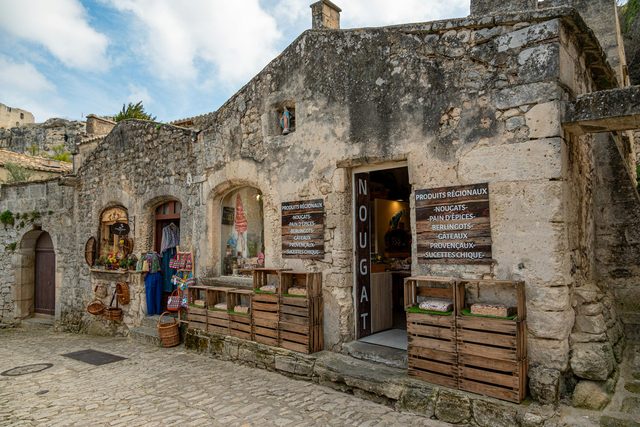
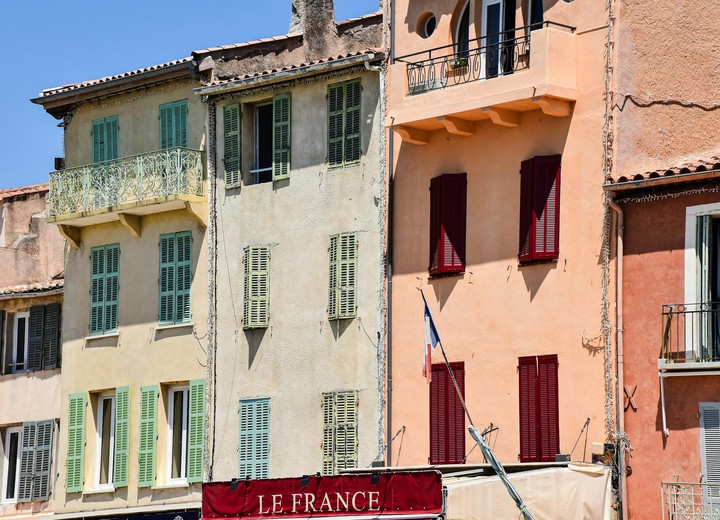
In the Luberon if you want the villages, in Aix-en-Provence or Saint-Rémy if you want a town. Gordes, Ménerbes and Bonnieux put you among the perched villages, in a private mas or a country-house hotel between vineyards and olive groves. Aix and Saint-Rémy trade the view for elegant streets and easier market access. Four to six nights covers the villages, the domaines, Avignon and the Roman sites at a pace that does not need a schedule.
What really decides each day here?
The market calendar and the wind. Each of the famous markets has its own fixed day of the week, so the order of the villages is a constraint rather than a preference — get it wrong and you drive to a closed square. The mistral can blow in any season and will end a balloon flight or a terrace lunch without notice. The roads between the perched villages are narrow and public transport is thin, which is why a car and driver is the arrangement rather than an extravagance.
How does Provence connect to the rest of the trip?
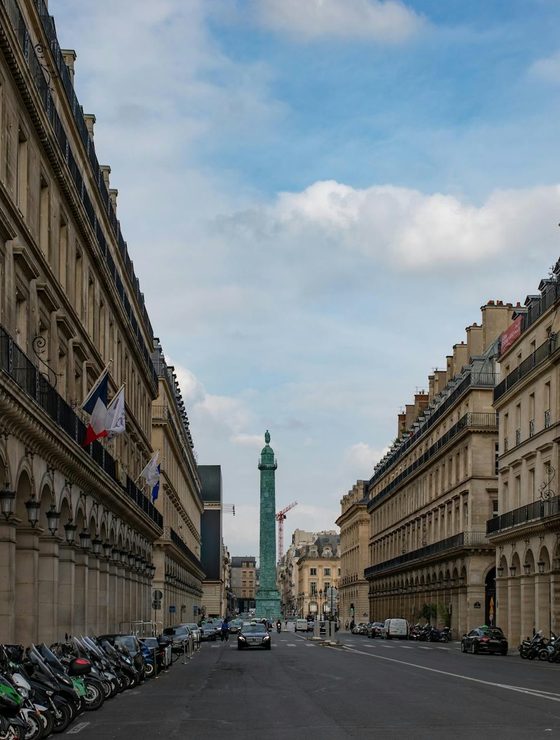
Better than its remoteness suggests. Avignon's TGV station reaches Paris in under three hours, so Provence can open or close a trip bookended in the capital. Nice is roughly two hours east by car, which makes a combined countryside-and-coast itinerary the natural shape. West lie Nîmes, the Pont du Gard and the Camargue; to the north, the Rhône vineyards run toward Burgundy. See Provence and the countryside and our culinary journeys.
Who is Provence not for?
Anyone who needs a swim at the end of the day — the coast is two hours away, and that is a decision rather than a detour. It is also wrong for travellers who cannot tolerate heat: July on the plateau is intense, which is precisely when the lavender is at its best, and the two facts do not resolve. And it is wrong for anyone wanting nightlife. If that is the trip, the Riviera or Paris is the answer, and France holds both.