Which arrondissement should decide the stay?
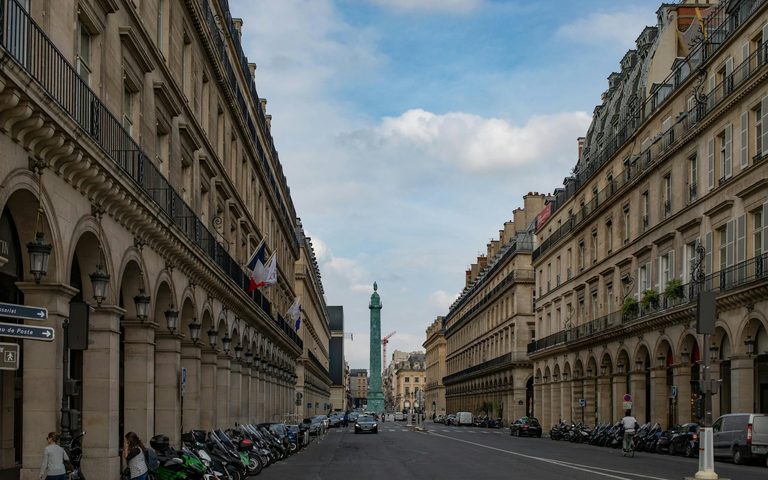
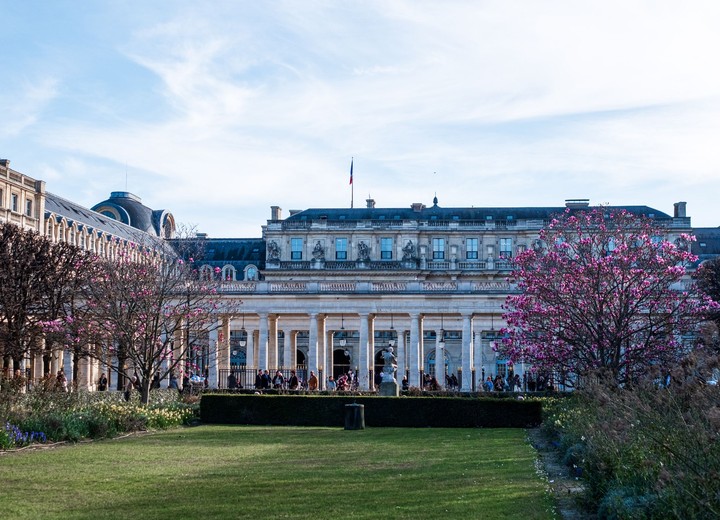
The one that matches how you intend to spend the evenings. The 1st, around Place Vendôme and the Tuileries, puts the Louvre and the jewellers within walking distance. The 8th, off the Champs-Élysées, is the address for the Golden Triangle houses. The 6th and 7th in Saint-Germain-des-Prés are quieter and residential; the Marais suits galleries and design over grandeur. Four to five nights is the honest minimum — the landmarks, one museum day, the markets and two tables, without a rushed morning.
What must be reserved before you land?
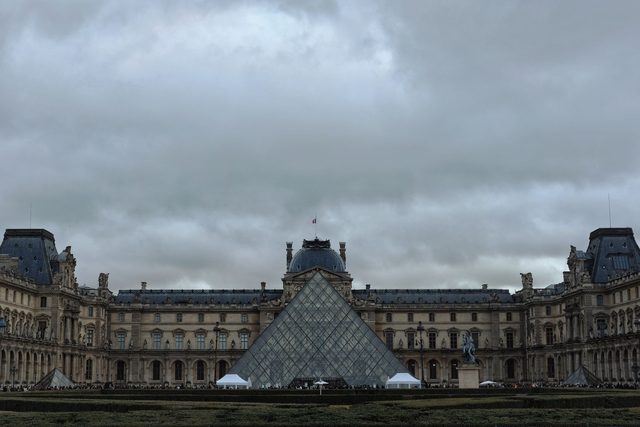
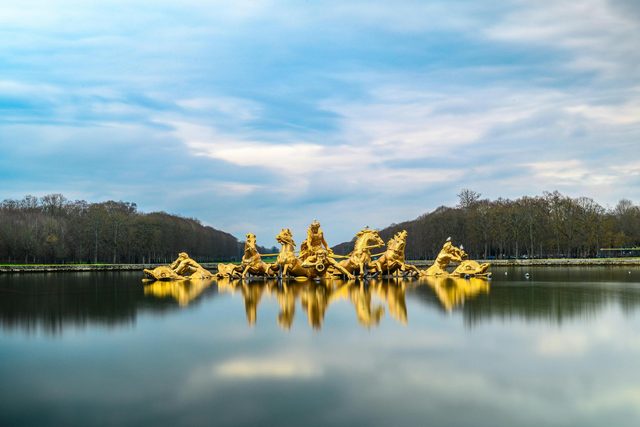
More than most visitors expect. The Louvre requires a timed slot for every ticket-holder, released exactly 60 days ahead, and is closed every Tuesday; standard admission in 2026 is €22 for EEA residents and €32 for everyone else. Sainte-Chapelle admits on 30-minute arrival windows, and its combined ticket books a time for the chapel but not for the Conciergerie. Versailles requires a Palace slot on the Passport and closes on Mondays. The most sought-after tables need weeks, not days.
What is closed, empty or under scaffolding right now?
The Apollo Gallery reopened on 22 July 2026 — without its jewels. The French Crown Jewels were stolen in October 2025, and with only the damaged crown of Empress Eugénie recovered, the gallery is now shown for its restored painted and sculpted decoration rather than its cases. The Louvre's ten-year Nouvelle Renaissance works have begun; the Mona Lisa's purpose-built room beneath the Cour Carrée, with its own entrance and separate ticket, is scheduled for 2031, not for this trip.
Can a car reach the door?
Not everywhere, and not by the shortest route. Through-traffic is prohibited across the first four arrondissements under the Zone à Trafic Limité, which covers much of the ground guests actually want to be driven across; the €135 fine has been deferred, but the rule stands and journeys inside the zone must have a purpose. The wider metropolitan low-emission zone runs without penalties until 31 December 2026. Central Paris is compact enough that the answer is often that the driver waits and you walk.
What does the bill add that the room rate does not?
The tourist tax, which rose on 1 January 2026. A palace-classified hotel now carries a ceiling of €15.60 per person, per night — a 200% Île-de-France Mobilités surcharge stacked on the municipal rate, with departmental and Grand Paris additions above it. It is charged per adult rather than per room, and under-18s are exempt. Against ~US$1,150 per person, per night it is a rounding error, but it belongs in the figure you were quoted rather than the one you discover.
Who is Paris wrong for?
Travellers who want the great museums to themselves on demand. Before- and after-hours access to the Louvre, the Orsay and the Orangerie can be arranged with an art historian, but it takes long lead times and is not available on every date. Paris is also wrong for anyone arriving in August expecting the city at full strength. If your dates are fixed and fall in August, we will steer you to what stays open. Then Provence, the Riviera, or France entire — and Art & Fashion if that is the thread.