Kenya Photographic Safari
Specialist guides, hides and the light that defines Kenya. A private, tailored journey of 8 Days · 7 Nights in Kenya, Safaris, designed end to end by a Forest Travel advisor — with Virtuoso privileges at the finest luxury hotels, from US$12,500 per traveler.
- Ideal length: 8 Days · 7 Nights
- Best time: From June to October, the best window for Kenya.
- Private guiding, access and transfers throughout
- From US$12,500 per traveler — a starting point, tailored to you
- Designed one-to-one by a Forest Travel advisor
- Virtuoso privileges at the finest luxury hotels
Specialist guides, hides and the light that defines Kenya. A private, tailored journey of 8 Days · 7 Nights in Kenya, Safaris, designed end to end by a Forest Travel advisor — with Virtuoso privileges at the finest luxury hotels, from US$12,500 per traveler.
Africa rewards those who travel privately, trading crowds for the quiet company of a guide who knows the land intimately.
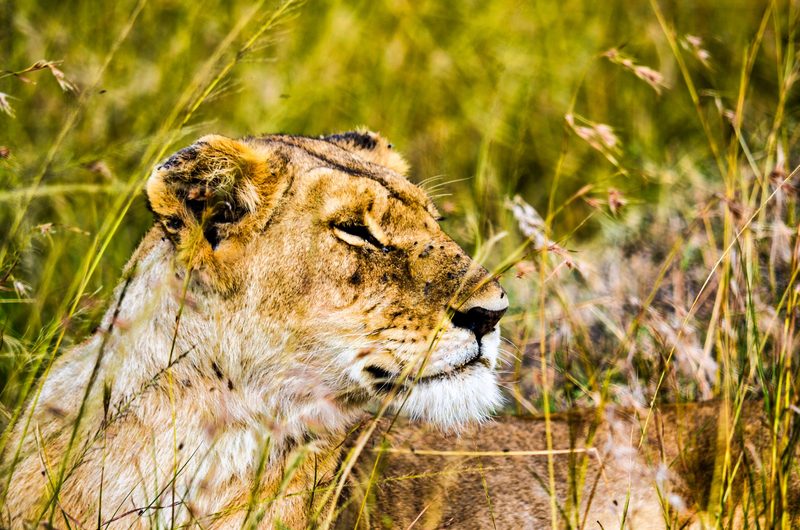
When to go
From June to October is the best window for Kenya. Your advisor times it to the light, the crowds and your own calendar.
The experiences
A sense of what this journey can hold — each one arranged privately and shaped to you:
- A private morning session in a purpose-built ground-level hide at a waterhole in the Maasai Mara, positioned for eye-level frames of elephant and big cat before the midday haze sets in.
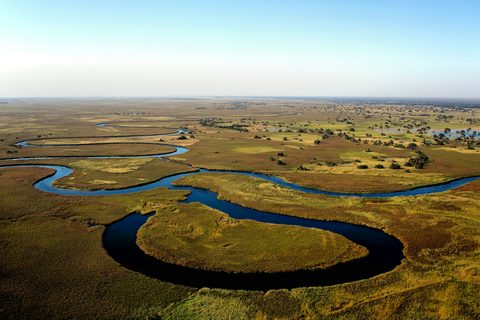
- A dedicated helicopter transfer timed to the hour of optimal aerial light over the Rift Valley escarpment, with doors off and a specialist wildlife photographer aboard to co-direct the shoot.
- An after-dark studio debrief with your guide-photographer, reviewing RAW files on a calibrated field monitor and refining exposure and composition strategy for the following dawn.
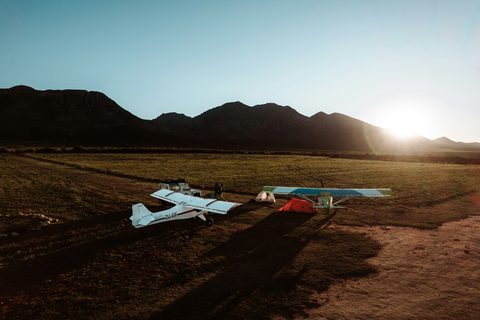
- A chartered fly-camp on the Mara Conservancy boundary, placing you in position for the first light of a full week without the vehicle traffic of the main reserve.
A sense of the rhythm
Days open before first light — a flask of coffee, a short drive in darkness, and the slow revelation of whatever the savanna decides to offer that morning. Midday is for rest, editing and the unhurried lunch that makes the second drive feel earned. Evenings end late, reviewing images and planning the next session the way a field expedition would.
Whether to center the itinerary on the Maasai Mara or divide time across multiple ecosystems
The Maasai Mara offers the density of subject matter and the mature acacia light that defines the classic Kenya image, and most serious photographers find that seven nights in one location yields better work than a two-destination split. Amboseli and Samburu each offer subjects — the Kilimanjaro backdrop, the reticulated giraffe and Grevy's zebra — that the Mara cannot, but moving between them costs a full shooting day and resets the relationship with your guide. If your goal is a coherent body of work from a single journey, we recommend anchoring in one ecosystem and treating any second destination as a dedicated extension of four nights minimum rather than a side trip.
How to do it well
The counsel our advisors give travelers planning this journey:
- Book ground-level hides and private conservancy camps a minimum of nine months ahead for July and August — operators allocate these to returning clients and Virtuoso partners first, and the best positions are gone by October of the prior year.
- The most photogenic light in the Mara falls in June and in late October, bracketing the peak migration crowds of August; a late-October departure catches the southbound Mara River crossings with significantly fewer vehicles than the high season.
- Specify your camera system — full-frame mirrorless, telephoto range, whether you shoot video — when booking, so the vehicle can be rigged with the correct bean-bag mounts, window pods and charging inverters before arrival.
- Kenya's aviation sector requires that luggage on bush flights between conservancies be soft-sided and under fifteen kilograms; pack camera bodies and lenses in a carry-on that stays with you in the aircraft cabin, and ship any heavy tripod equipment to your first lodge in advance via Nairobi.
What only your advisor can open
The difference between a good trip and an unrepeatable one is access — and access is a relationship, not a booking. Every guide, room and moment is chosen and sequenced for you.
Who it's for
Travelers who value privacy, time and doing it once — beautifully — and who would rather have one trusted advisor orchestrate every detail than assemble it themselves.
Estimated investment
From US$12,500 per traveler, based on double occupancy — scaled to your dates, party size and level of privacy. A starting point, not a final quote; confirmed once your advisor tailors the itinerary.
Designed entirely around you
Nothing here is a package. A Forest Travel advisor shapes the whole journey and stays one message away before and throughout your trip.
Your Virtuoso privileges
As a Virtuoso member, Forest Travel includes benefits reserved for Virtuoso guests at the finest luxury hotels, at no added cost: a room upgrade on arrival when available, daily breakfast for two, a property credit toward dining or spa, and early check-in with late check-out when the hotel allows.
Continue exploring Kenya
Part of our Kenya travel guide. Related private journeys:
Begin the conversation
Tell a Forest Travel advisor how you like to travel and they will design Kenya Photographic Safari around you — privately, every Virtuoso privilege included. Request your private consultation →
Questions, answered.
The Maasai Mara offers the density of subject matter and the mature acacia light that defines the classic Kenya image, and most serious photographers find that seven nights in one location yields better work than a two-destination split. Amboseli and Samburu each offer subjects — the Kilimanjaro backdrop, the reticulated giraffe and Grevy's zebra — that the Mara cannot, but moving between them costs a full shooting day and resets the relationship with your guide. If your goal is a coherent body of work from a single journey, we recommend anchoring in one ecosystem and treating any second destination as a dedicated extension of four nights minimum rather than a side trip.
Book at least nine months ahead. Ground-level hides and private conservancy camps for July and August are allocated first to returning clients and Virtuoso partners, and the best positions are gone by October of the prior year. If you are planning a peak-season photographic safari in Kenya, secure these places early, before you settle the rest of the itinerary.
Luggage on Kenya's bush flights between conservancies must be soft-sided and under fifteen kilograms. Keep your camera bodies and lenses in a carry-on that stays with you in the aircraft cabin. Ship any heavy tripod equipment in advance, via Nairobi, to your first lodge, so it is waiting when you arrive and nothing fragile travels in the hold.
Yes, provided you specify your system when booking. Tell your advisor whether you shoot full-frame mirrorless, which telephoto range you carry and whether you shoot video. The vehicle can then be rigged with the correct bean-bag mounts, window pods and charging inverters before you arrive, so the first drive is spent shooting rather than adjusting equipment.
The guide suggests 8 Days · 7 Nights. Each day follows a photographer's rhythm. You set out before first light with a flask of coffee and a short drive in darkness. Midday is for rest, editing and an unhurried lunch before the second drive. Evenings end late, reviewing images and planning the next session. Most serious photographers find that seven nights in one location, such as the Maasai Mara, yields better work than a two-destination split, because moving between ecosystems costs a full shooting day.
As a private, tailored journey it starts from roughly US$12,500 per traveler (double occupancy) and scales with your dates, party and level of privacy — a starting point, never a fixed package price. Your advisor confirms the figure once the itinerary is tailored.
June through October, Kenya's dry season, is the time for this journey. Thinning bush and gathering herds make wildlife easiest to find across the great plains. For photographers, the most photogenic light in the Mara falls in June and in late October, on either side of the August migration crowds. A late-October departure catches the southbound Mara River crossings with significantly fewer vehicles than the high season. For July and August, book hides and private camps at least nine months ahead.
On a Kenya photographic safari, the ground-level hide session is a private morning spent in a purpose-built hide at a waterhole in the Maasai Mara. The hide is positioned for eye-level frames of elephant and big cat, a perspective that is hard to achieve from a vehicle. The session is timed for the morning, before the midday haze sets in and softens the light.
Yes. A Kenya photographic safari can include a dedicated helicopter transfer over the Rift Valley escarpment, timed to the hour of optimal aerial light. The doors are off for unobstructed shooting, and a specialist wildlife photographer travels aboard to co-direct the shoot with you, so the transfer becomes a working aerial session rather than simply a way to move between locations.
Evenings on a Kenya photographic safari end late with an after-dark studio debrief alongside your guide-photographer. Together you review RAW files on a calibrated field monitor and refine your exposure and composition strategy for the following dawn. It is run the way a field expedition would plan its next session, so each morning in the Maasai Mara builds on what the previous day's images revealed.
A chartered fly-camp on the Mara Conservancy boundary places you in position for first light every morning of a full week in Kenya, without the vehicle traffic of the main Maasai Mara reserve. For photographers, that means cleaner frames and quieter sightings at the hour that matters most, and it suits the guide's advice to anchor seven nights in one ecosystem.
For wildlife photography, Kenya's Maasai Mara is one of the strongest choices in Africa: a density of subjects, the acacia light that defines the classic Kenya image and private ground-level hides at waterholes for eye-level frames. Amboseli adds the Kilimanjaro backdrop, and Samburu the reticulated giraffe and Grevy's zebra. Most serious photographers do better with seven nights in one place than with a split, working from a private vehicle rigged for their own camera system.
You can, but pure white shows the dust within a single drive, so most guides suggest muted neutrals such as khaki, tan, olive or grey. The colours genuinely worth avoiding are dark blue and black, which attract tsetse flies in woodland areas during the day. Add a warm layer in the same tones for the drives that set out before first light, when the land is at its coldest.
Safaris
See the collection →Tell a private advisor how you like to travel — no quotes, no obligation.
Speak With a Luxury Travel AdvisorA real person answers: an in-house luxury travel advisor, in English or Spanish. The first conversation is complimentary.