Kyoto Is Crowded. That Is a Timing Problem, Not a Reason to Skip It
Kyoto took 62.79 million visitors last year — the first time above sixty million since the city began counting in 1958. The crush is real. It is also concentrated into a handful of hours and a handful of places, which is the whole opening.
- The record is real. Kyoto counted 62.79 million visitors last year, the first year above sixty million since records began in 1958, including a record 12.68 million from abroad — up 17% on the year before.
- But arrivals to Japan as a whole were falling at the same time: April came in at 3,692,200, down 5.5% year on year. Kyoto did not get busier because more people came to Japan. It got busier because more of them went to the same six places within the same four hours — which is a solvable problem, and the reason this guide exists.
- The hour is the lever, not the season. Kiyomizu-dera between six and eight in the morning is a different building from Kiyomizu-dera at eleven, and Tō-ji runs a reserved early-morning viewing from 7:30 to 8:30. Every Kyoto week we build starts before the city does.
- It now costs materially more at this level. Kyoto revised its lodging tax on 1 March into five tiers, and the top one — rooms from ¥100,000 a night — is ¥10,000 per person, per night, against ¥1,000 before. It is the highest in Japan. For a party of four across ten nights that is ¥400,000 before anything else is counted.
- Gion has rules now and they are enforced. In the alleys of Gion Kōbu it is prohibited to block, photograph without consent, or follow geiko and maiko, with wardens on the main lanes at weekends and fines up to ¥10,000. Hanamikoji, the Shirakawa canal, Yasaka Shrine and Kennin-ji remain open to anyone.
The number, and what it does not mean
Kyoto counted 62.79 million visitors last year — the first time the city has passed sixty million since it started keeping the figure in 1958 — of whom a record 12.68 million came from abroad, seventeen percent up on the year before. Anyone who has stood on the approach to Kiyomizu-dera at midday does not need the statistic.
What is more useful is the number alongside it. Arrivals to Japan nationally were falling over the same period: April brought 3,692,200 international visitors, down five and a half percent year on year. So Kyoto did not become harder because Japan became more popular. It became harder because a larger share of the same visitors compressed into the same handful of sites inside the same four hours of the day. That distinction matters, because a volume problem has no solution and a distribution problem has several.
The hour is the lever
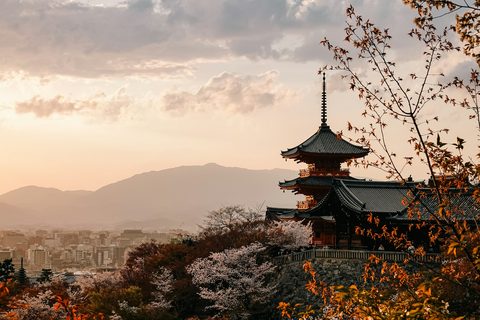
Almost everything that makes Kyoto unbearable at eleven in the morning is unrecognisable at half past six. Kiyomizu-dera opens early and the difference between six and eight and the middle of the day is not incremental — it is a different building, with the sound of the city underneath it instead of the sound of the crowd. Tō-ji runs a reserved early-morning viewing between 7:30 and 8:30, which is the sort of arrangement that exists precisely because the city is trying to spread its own load.
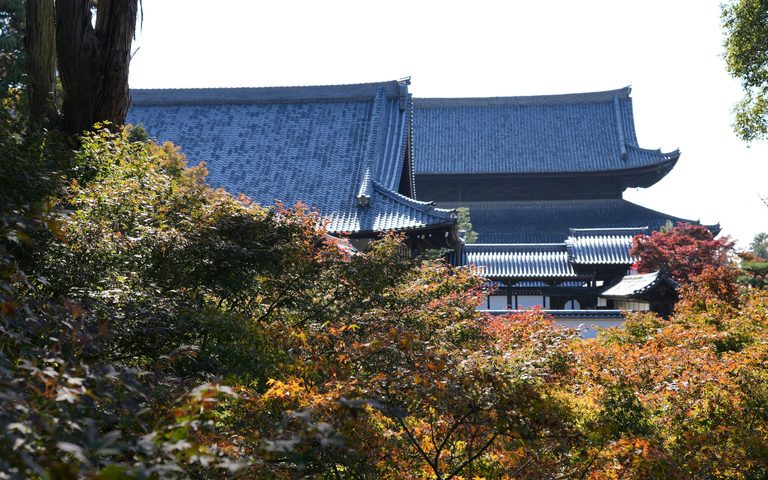
So a Kyoto week at this level is built backwards from the hours nobody else wants. The temples before eight. The sub-temples that keep their own hours and never appear on a coach route — a dawn hour at a sub-temple of Nanzen-ji is worth more than a full day of the headline list. Lunch late, the afternoon indoors or out of the city entirely, and the evening in the districts once the day visitors have gone back to Osaka.
Seasonally the same logic applies at a larger scale. The two weeks either side of the blossom and the two after the maples are the same city at a third of the pressure, and the winter special openings — temples that unlock for a matter of weeks — are the closest thing Kyoto has to a private season.
What it now costs
This is the change most travellers have not priced in. Kyoto revised its accommodation tax on 1 March into five tiers, and the top tier is where this audience sits. Rooms under ¥6,000 a night still pay ¥200 per person per night; ¥6,000 to ¥19,999 pays ¥400; ¥20,000 to ¥49,999 pays ¥1,000; ¥50,000 to ¥99,999 pays ¥4,000; and anything from ¥100,000 pays ¥10,000 per person, per night — ten times what the same room paid before, and the highest municipal lodging tax in Japan.
Run it out. A party of four in that top tier across ten nights is ¥400,000 in tax alone, before the room, the meals or the guides. It is not a reason to stay somewhere else — the houses that command those rates in Kyoto are worth what they charge — but it is a line that belongs in the budget from the beginning rather than on the final invoice. The city expects the revision to take its tourism revenue from about ¥5.9 billion to ¥12.6 billion a year, which tells you it is not a temporary measure.
Gion, and the rules that are actually enforced
The geisha districts have moved from etiquette to enforcement, and it is worth understanding precisely what changed, because the reporting has been loose. In the alleys of Gion Kōbu it is now prohibited to block the lane, to photograph without consent, or to follow geiko and maiko; wardens patrol the main lanes, particularly at weekends, and fines run up to ¥10,000. Certain private residential streets have been closed to visitors since April two years ago.
What has not changed: Hanamikoji, the Shirakawa canal, Yasaka Shrine, Kennin-ji and the restaurants are open to anyone who behaves. And the version of Gion worth having was never the pavement anyway — it is an ozashiki arranged through the teahouse that holds the relationship, where the geiko are the company for the evening rather than something photographed from the street.
The blossom cannot be booked
One correction to the way spring is usually sold. Kyoto's cherry blossom has opened between 16 and 29 March in recent years and peaks within roughly a week of opening; the 1991–2020 average full bloom is 4 April. Those are averages, not a date, and the variance is wide enough that a fortnight booked twelve months out can miss it entirely at either end.
Which is why we build the trip to move rather than to hope: a ryokan held either side of the likely window, the order of the days decided on the forecast, and the itinerary written so that missing the blossom costs you nothing you came for. Anyone selling you a guaranteed sakura date is selling you weather.
See also: Japan · How Many Days Do You Need in Japan? · The Best Time to Visit Japan
How the week is actually built
Five or six nights in Kyoto is the useful length — enough to spend mornings properly and to leave the city twice. We generally weight it as three anchors and two escapes: the dawn temple hours, one craftsman's or tea master's morning in a machiya, and one evening in the districts, against a day in Nara or on the Kii peninsula and a day doing nothing at all. Tokyo is the second half of most first trips, and it works better after Kyoto than before it.
What we do not do is try to see the list. Kyoto has seventeen World Heritage components and a first-time visitor who attempts them arrives home having queued in a beautiful city. The households who love Kyoto are the ones who saw six things at the right hour.
Questions, answered.
No, but it is unforgiving of a badly timed trip. Kyoto counted 62.79 million visitors last year, its first year above sixty million since records began in 1958, and the crush at the headline sites in the middle of the day is real. It is also concentrated: the same places compress into the same four hours, so the fix is the hour rather than the destination.
Before eight in the morning, and it is not a marginal improvement. Kiyomizu-dera between six and eight is a different experience from the same temple at eleven, and Tō-ji runs a reserved early-morning viewing from 7:30 to 8:30. A Kyoto week that starts at nine has already lost its best hours.
Since 1 March it runs in five tiers: ¥200 per person per night under ¥6,000, ¥400 from ¥6,000 to ¥19,999, ¥1,000 from ¥20,000 to ¥49,999, ¥4,000 from ¥50,000 to ¥99,999, and ¥10,000 from ¥100,000 upward — the highest municipal lodging tax in Japan, and ten times what that top tier paid before. For four people over ten nights in that bracket it is ¥400,000 before anything else.
Yes. What is prohibited in the alleys of Gion Kōbu is blocking the lane, photographing without consent, and following geiko and maiko — wardens patrol the main lanes, especially at weekends, and fines reach ¥10,000. Some private residential streets have been closed since April two years ago. Hanamikoji, the Shirakawa canal, Yasaka Shrine, Kennin-ji and the restaurants are open as normal.
Not from the pavement. An ozashiki arranged through the teahouse that holds the relationship puts the geiko in the room as the company for the evening, which is the thing people are trying and failing to photograph from the street. It is arranged in advance and through introduction rather than booked.
It has opened between 16 and 29 March in recent years and peaks within roughly a week; the 1991–2020 average full bloom is 4 April. Those are averages rather than a date, and a fortnight fixed a year ahead can miss it at either end. We hold a ryokan either side of the likely window and decide the order of the days on the forecast.
Five or six. That is enough to use the mornings properly and still leave the city twice — a day in Nara or on the Kii peninsula, and a day doing nothing. Fewer nights forces the middle of the day, which is the part of Kyoto worth avoiding.
Both, and the start matters more. The fortnights either side of the blossom and the weeks after the maples give you the same city under a third of the pressure, and the winter special openings are as close as Kyoto comes to a private season. But a badly timed day in a quiet month still queues.
In Kyoto, the middle of the day is the part to step around rather than fight. The crowds compress into the same handful of sites inside the same four hours, so the week is built backwards from the hours nobody else wants: temples before eight, a late lunch, the afternoon indoors or out of the city entirely, and the evening in the districts once the day visitors have gone back to Osaka.
Yes. Kyoto's sub-temples keep their own hours and never appear on a coach route, and a dawn hour at a sub-temple of Nanzen-ji is worth more than a full day of the headline list. In winter, special openings unlock certain temples for a matter of weeks, which is the closest thing Kyoto has to a private season.
Kyoto first. Tokyo is the second half of most first trips to Japan, and it works better after Kyoto than before it. Within the Kyoto portion, the days are weighted toward dawn temple hours, a morning with a craftsman or tea master, an evening in the districts, and two days away from the city, in Nara or on the Kii peninsula and simply at rest.
No. Kyoto has seventeen World Heritage components, and a first-time visitor who attempts them all arrives home having queued in a beautiful city. The travellers who love Kyoto are the ones who saw six things at the right hour: Kiyomizu-dera before eight, Tō-ji's reserved early-morning viewing, a sub-temple of Nanzen-ji at dawn, rather than the full list at midday.
A week in Kyoto rests on three anchors, and only one is the dawn temple hours. The second is a morning with a craftsman or tea master in a machiya, the traditional Kyoto townhouse. The third is an evening in the districts once the day visitors have left, ideally an ozashiki in Gion arranged through the teahouse that holds the relationship. Around them sit a day in Nara or on the Kii peninsula and a day doing nothing at all.
Start with the places that let Kyoto breathe. Nara and the Kii peninsula are the natural days out from a Kyoto stay, and Hakone pairs thermal valleys and private open-air onsen with views of the mountains. For deeper quiet, the Japanese Alps offer forest-bathing walks through cedar groves, cooler air and real seclusion, though they ask more of your travel time. Your advisor weighs each one against the season and the number of nights you have.
Japan
See the collection →Tell a private advisor how you like to travel — no quotes, no obligation.
Speak With a Luxury Travel AdvisorA real person answers: an in-house luxury travel advisor, in English or Spanish. The first conversation is complimentary.