01
Mantas at Hanifaru Bay
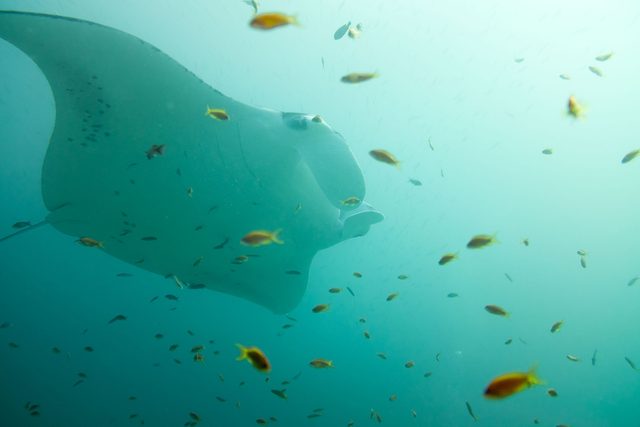
Swim among feeding manta rays in season, with a marine biologist.
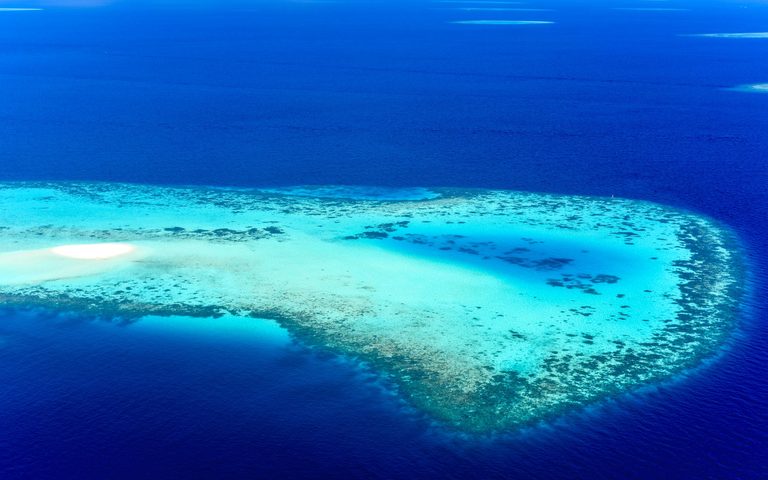
A UNESCO Biosphere, and the manta gathering at Hanifaru Bay.
Baa Atoll is the Maldives' UNESCO Biosphere Reserve — and home to Hanifaru Bay, where, in season, hundreds of manta rays and whale sharks gather to feed. We pair a marine-biologist guide with the season's tides, from one of the atoll's conservation-led private islands.
Swim among feeding manta rays in season, with a marine biologist.
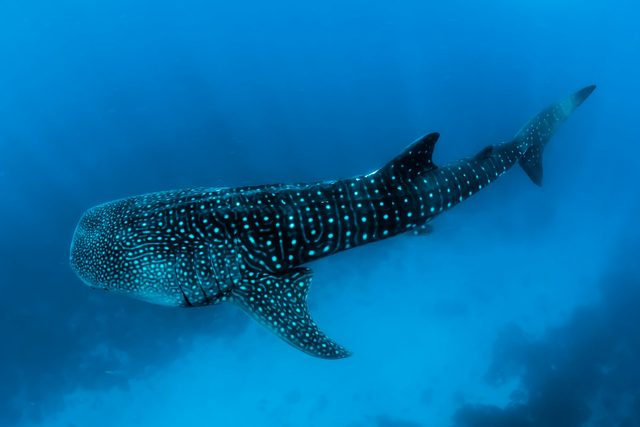
The ocean's gentle giant, found on the season's plankton bloom.
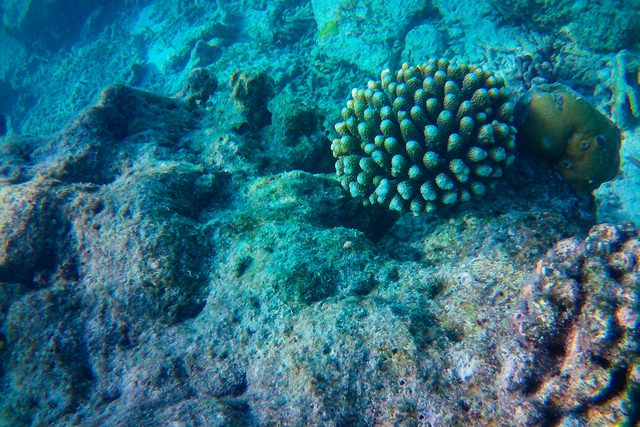
Plant coral with the resident marine team — luxury that gives back.
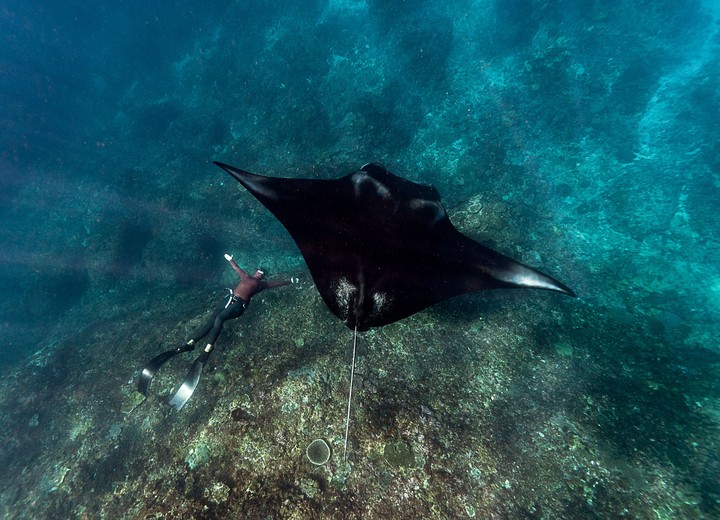
Hanifaru's gathering timed to the tides, expertly guided.
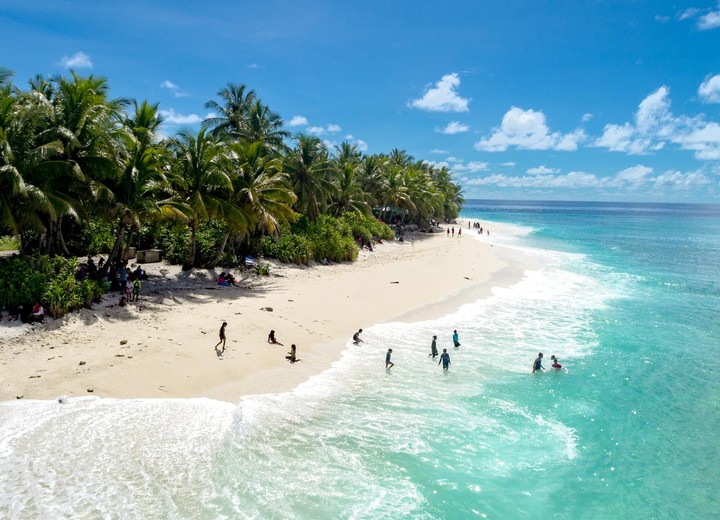
A biosphere island where the marine team is part of the stay.
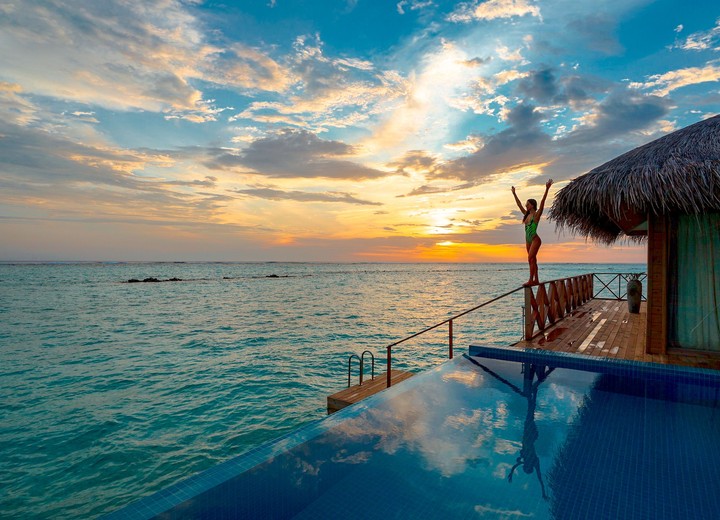
Quiet water, a house reef, and nothing on the calendar.
Each a starting point — our advisors weave them into a single, seamless journey.
No, Hanifaru Bay in Baa Atoll is snorkelling only. Scuba is banned because exhaust bubbles break up the mantas' feeding columns. The bay is a public, ranger-managed marine protected area. Every visit needs a permit, an entrance fee and a Biosphere-licensed guide, and is capped at roughly forty-five minutes in the water, with around eighty visitors a day. Touching, chasing and flash are not allowed. What can be arranged is proximity and timing, not a private slot.
If you land too late for the seaplane, take a domestic flight from Velana to Dharavandhoo, then a short speedboat into Baa Atoll. Seaplanes take 30 to 40 minutes, fly in daylight only, and check-in for the last rotations closes around 15:30. Maldivian and Manta Air fly to Dharavandhoo three to four times daily, and the route works after dark. It saves the night in Hulhumalé that a seaplane-only island would force on you.
No, mantas at Hanifaru Bay are never guaranteed. A wild aggregation has blank days, and no operator can promise otherwise. The bay is read by tide and moon rather than by calendar, with feeding thickest around the new and full moons. For that reason, excursion days in Baa Atoll are held loose rather than fixed at booking. A stay of five nights gives your marine-biologist guide three or four workable windows.
On a conservation-led island in Baa Atoll, the marine team is part of the stay. Because Baa is the Maldives' UNESCO Biosphere Reserve, the islands lead with resident marine biologists, coral restoration and reef monitoring rather than a longer list of restaurants. You can plant coral hands-on with the resident marine team. In season, you can also look for a whale shark at dusk on the plankton bloom.
The best time to visit Baa Atoll for mantas is June to November, peaking between August and October and thickest around the new and full moons. This is the wet southwest monsoon, which runs from mid-May to November and drives plankton-rich water into Hanifaru Bay. Come in February for cloudless skies and you will find the bay empty. If sunshine matters more than the animals, take North Malé in February and return for a manta season later.
Baa Atoll deserves five nights at least, and seven if the mantas at Hanifaru Bay are the reason you are travelling. The bay is read by tide and moon, not by calendar, so a two-night stop is a coin toss. Five nights give your guide three or four workable windows. Forest Travel holds excursion days loose rather than fixing them at booking, and often pairs Baa with a drier island afterwards.
Yes. Forest Travel builds Baa Atoll journeys around a marine-biologist guide and the season's tides, based on one of the atoll's conservation-led private islands. Options range from a 7-day manta season journey to a conservation retreat with hands-on coral restoration. At Hanifaru Bay, a public protected area, what is arranged is proximity and timing, not a private slot. Excursion days stay flexible, and the trip can continue to a drier island afterwards.
A private stay in Baa Atoll is estimated from around US$3,000 per person per night, so the seven nights we suggest when the mantas are the reason run from around US$21,000 per person, plus our US$250 planning fee per itinerary. On top come the Maldives' green tax of US$12 per person per night, 17% TGST and, on most islands, 10% service. The premium over the national figure pays for the resident marine biologists and the protected water.
Every journey here is a starting point a private advisor reshapes entirely around you — your pace, your people, the Baa Atoll only you would recognise.
A real person answers: an in-house luxury travel advisor, in English or Spanish. The first conversation is complimentary.