Can you stand on Etna's summit craters this year?
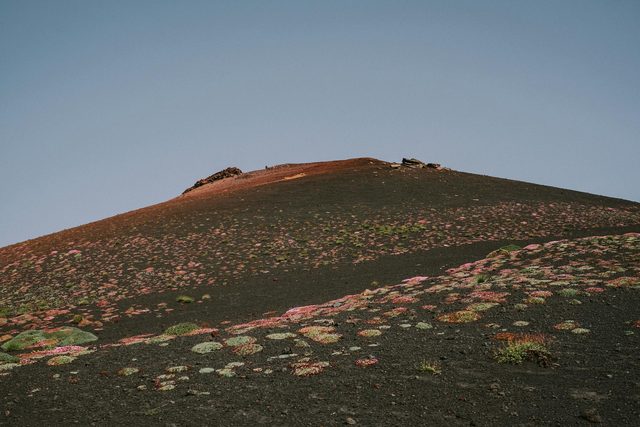
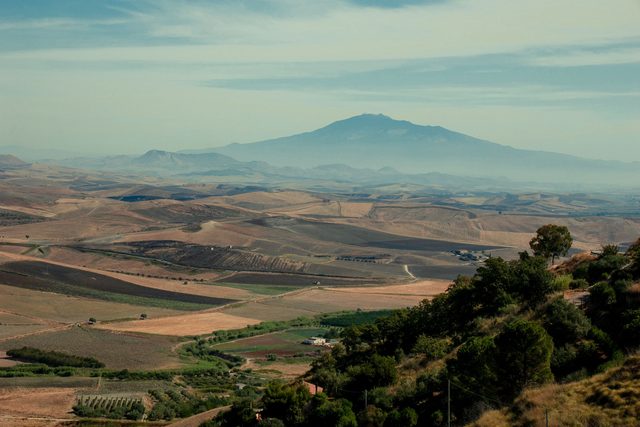
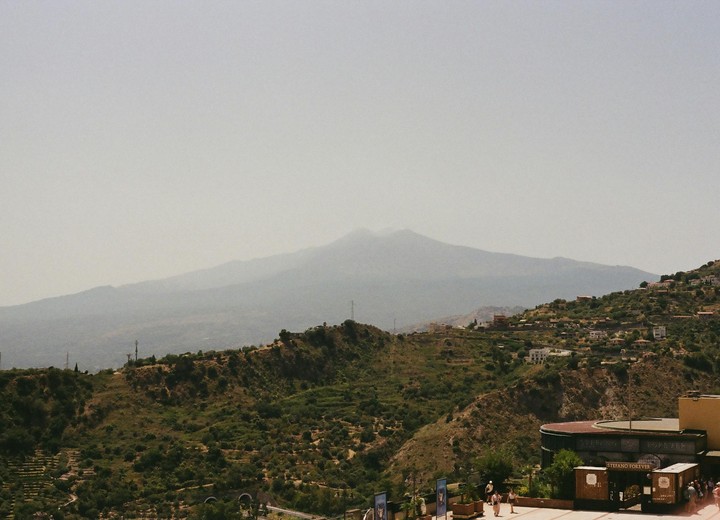
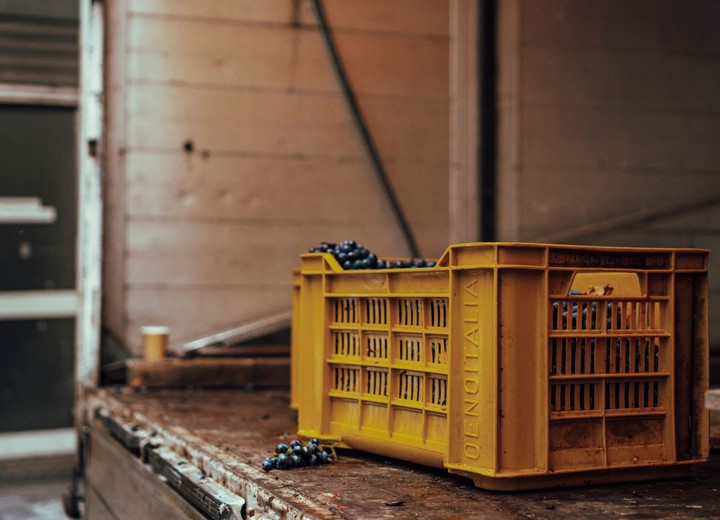
No, and any operator who says otherwise is selling something else. After the eruption that began on Christmas Eve 2025 and the further activity of January 2026, an altitude cap of roughly 2,850 m was imposed on both flanks, which effectively closes true summit-crater access; it is reassessed against INGV monitoring rather than fixed. Current rules also cap groups at ten people, require a minimum 200 m distance from active lava, and are enforced with drone surveillance. Above about 2,900 m a certified Alpine and volcanological guide has been compulsory since 2013. What is genuinely available is high, dramatic and legal — a guided ascent to the permitted line, with lava fields, craters of past eruptions and Etna's wine estates below.
Why does Sicily need a full week?
Because it is a country wearing an island's costume, and the distances are continental. Covering the east, the southeast and the west properly takes a private driver-guide and, on the longer legs, an internal flight or helicopter. Roads are slow and rural. The single most common mistake is an over-packed week: three bases in seven nights is the honest maximum, and two is better.
When are the temples at their best?
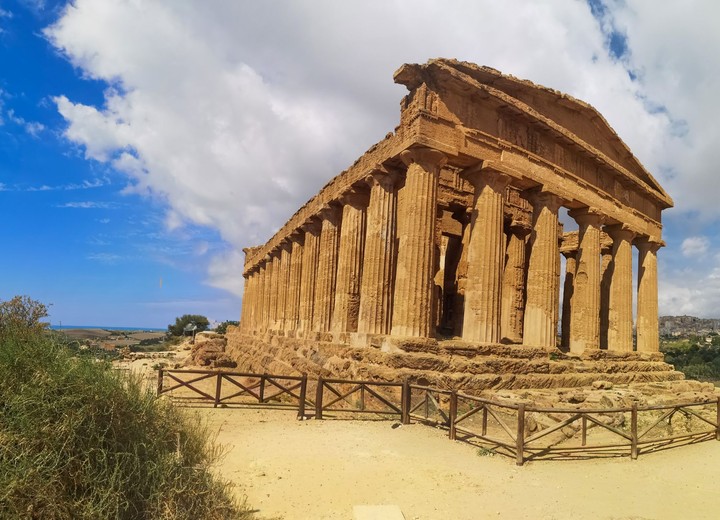
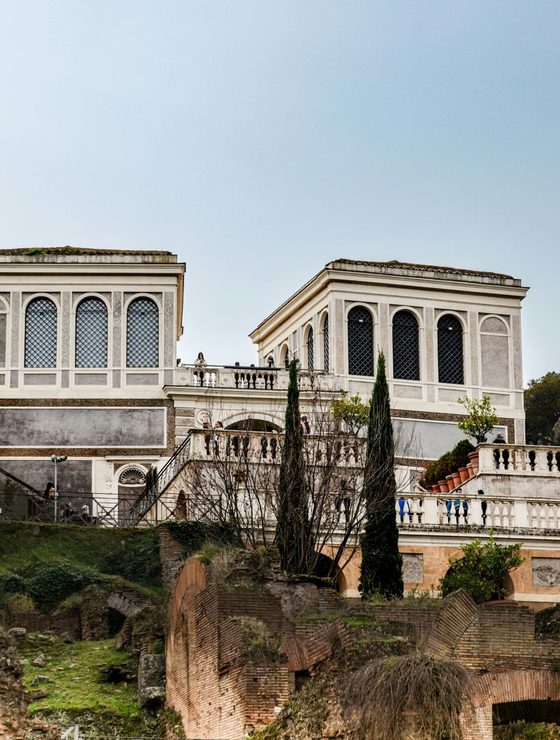
After dark, in summer. The Valley of the Temples at Agrigento ran extended evening and night opening from 20 June to 20 September 2026: entry from 08:30 to 22:00 on weekdays with the site to be cleared by 23:00, and to 23:00 on pre-holidays and holidays with exit by midnight. Free Sundays — 5 July, 2 August and 6 September in 2026 — were free only until 19:00, with a normal ticket required from 20:00. Lit temples in a cool evening is a different site from the same stones at noon in August.
Which coast, and how do the islands connect?
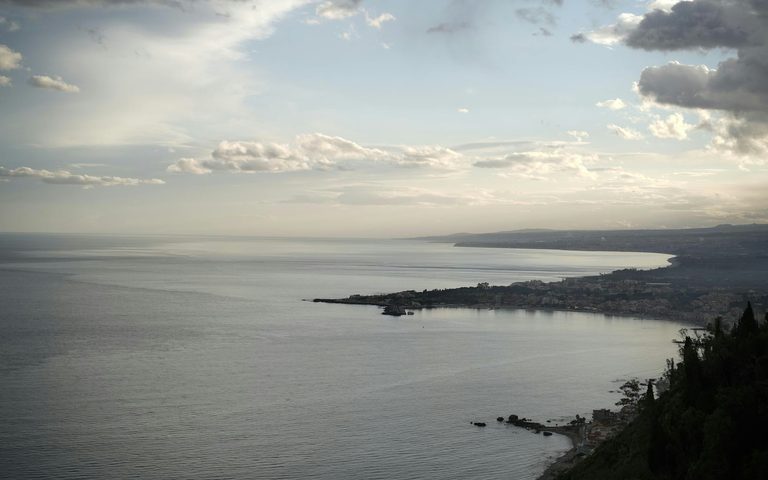
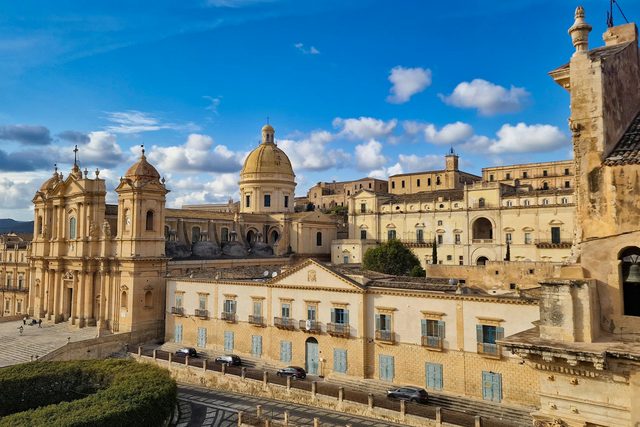
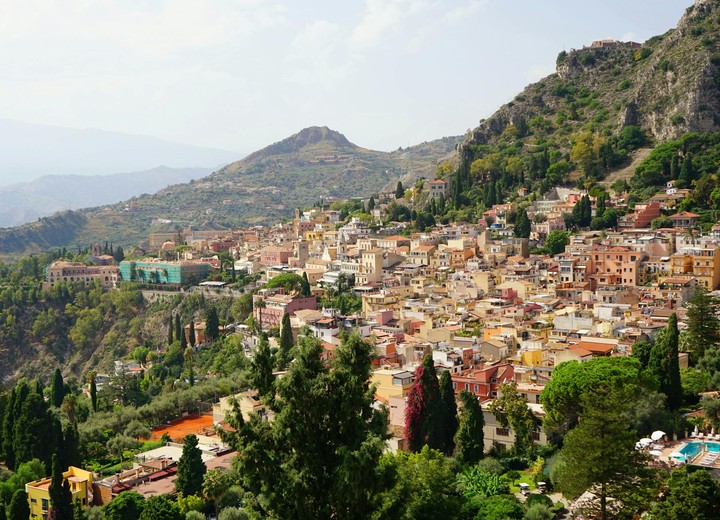
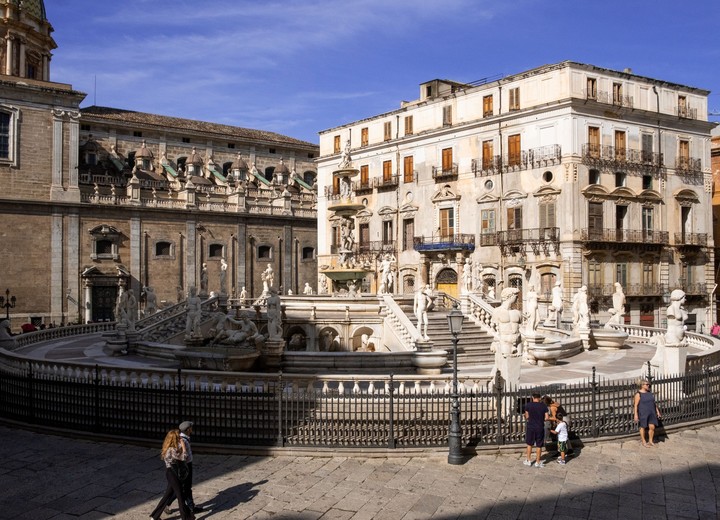
Taormina below Etna is the classic luxury base; Palermo and the west bring markets, Arab-Norman architecture and Segesta; the baroque southeast around Noto, Ragusa and Siracusa is the refined alternative. The Aeolian Islands are reached by Liberty Lines hydrofoil, principally from Milazzo, with direct Palermo services running only from June to September. Hydrofoils take no vehicles and ask for check-in fifteen minutes ahead; car ferries want an hour.
Which months, and which to avoid?
April to June and September to October, as listed here. Spring suits Agrigento and Etna's wildflowers; autumn coincides with the grape and olive harvests. July and August bring searing heat and the Italian domestic crowd. Winter is mild and atmospheric in the cities, though coastal resorts wind down.
For whom is Sicily the wrong week?
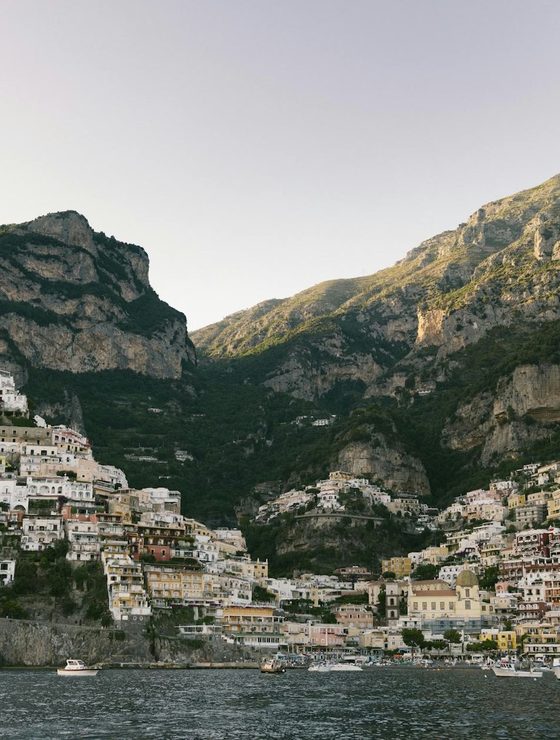
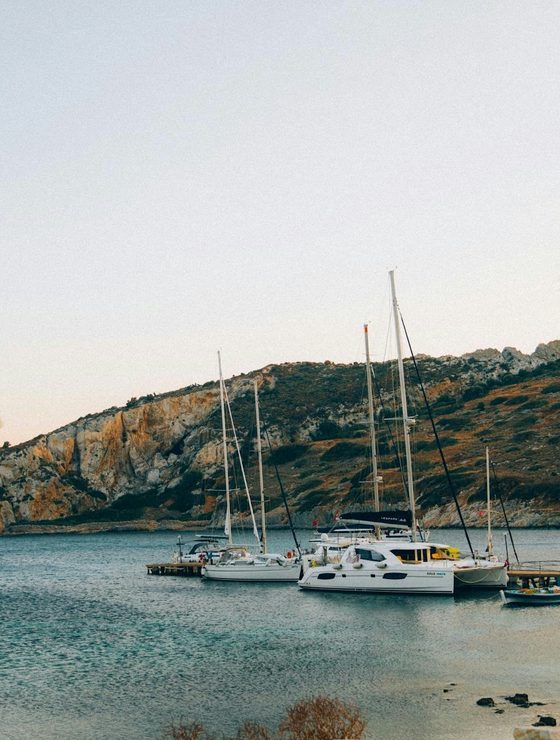
For anyone who wants a short trip, a single base and a beach. Sicily's reward is range, and range here costs driving hours. Travellers wanting the sea without the mileage are better served on Sardinia or the Amalfi Coast; those who want the south at a slower pace should look at Puglia. If the boat is the point, Italy by yacht solves the distances outright.