01
A Private Motu Dinner
Your own islet, a single table, Otemanu darkening behind it.
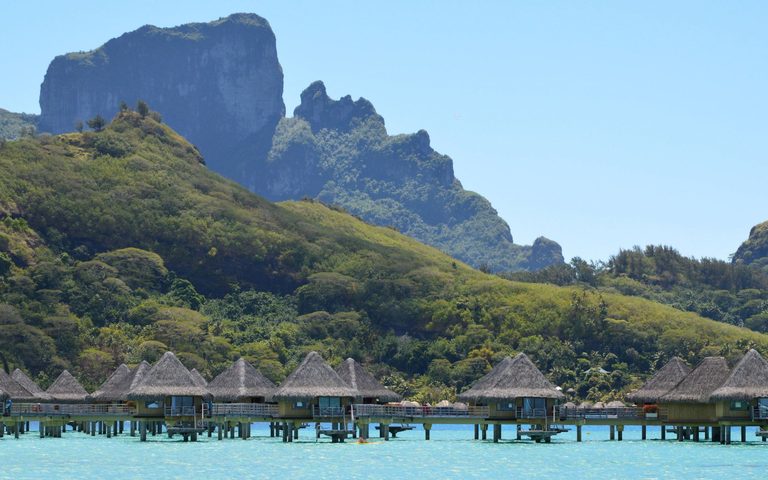
The lagoon the world pictures — and the access the world cannot book.
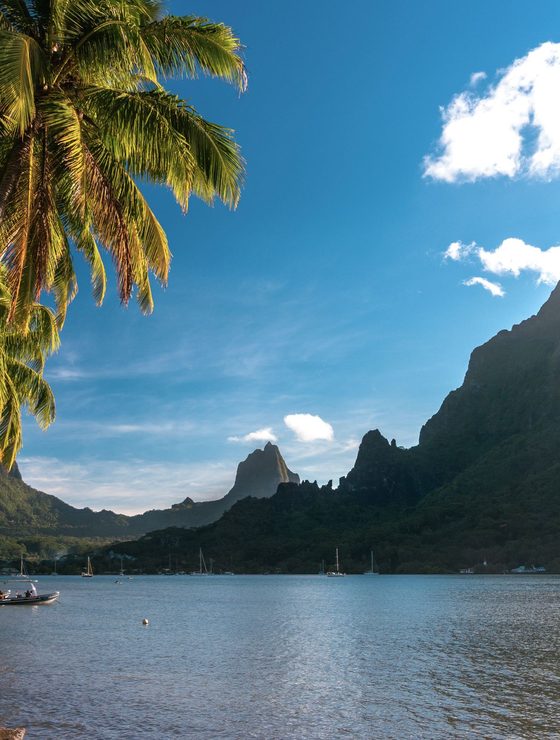
Bora Bora is the lagoon every other lagoon is measured against — Mount Otemanu rising over impossible blues. We go beyond the overwater villa: a private motu set for dinner, a dawn paddle before the resort wakes, and the lagoon, for an hour, entirely your own.
Your own islet, a single table, Otemanu darkening behind it.
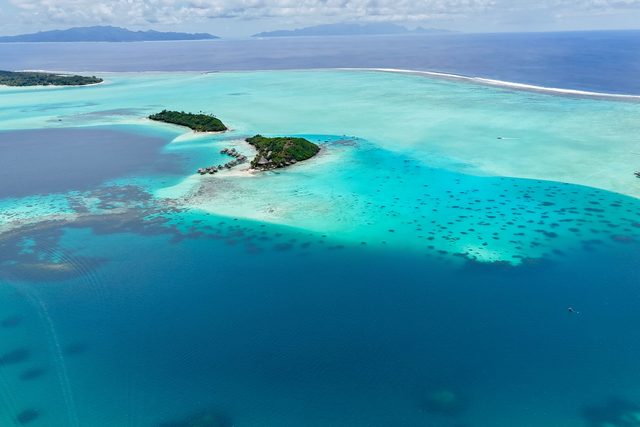
Paddle the still lagoon before the island wakes, the water like glass.
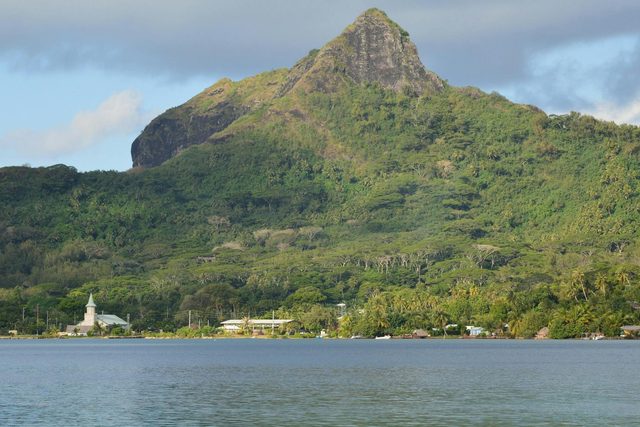
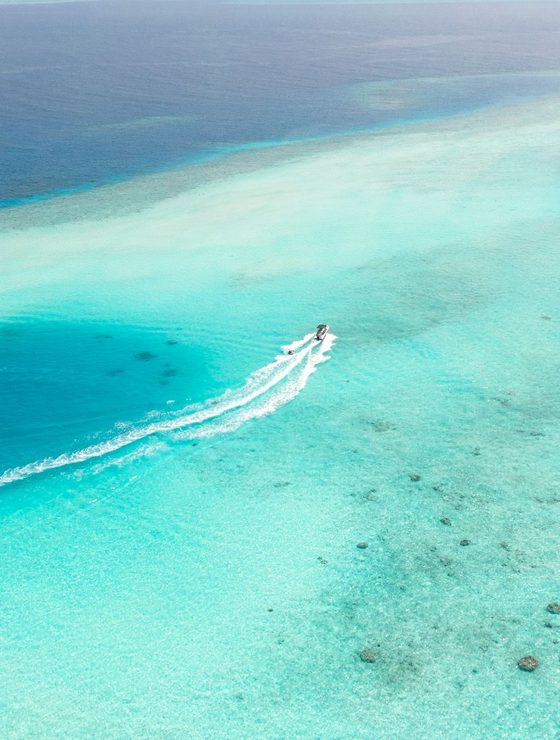
The sacred peak and the reef from the air, the colour unreal.
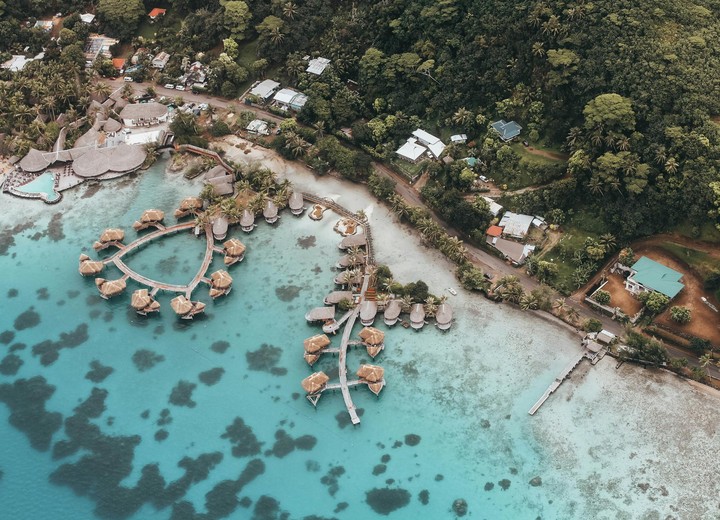
An overwater villa over the lagoon, and the privacy to disappear.
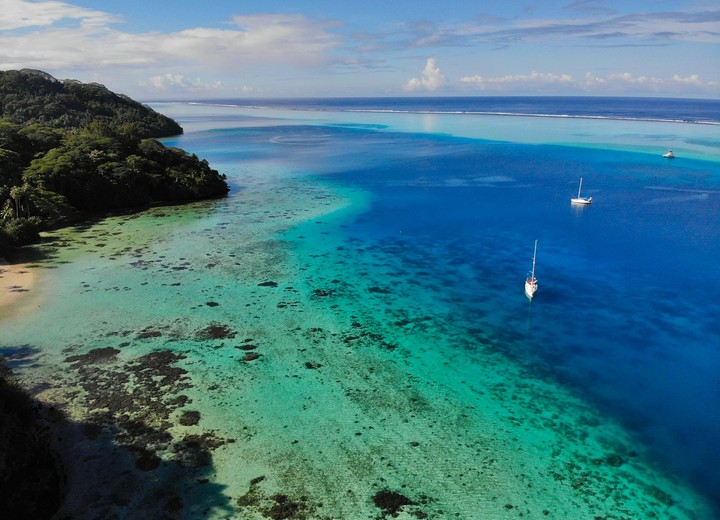
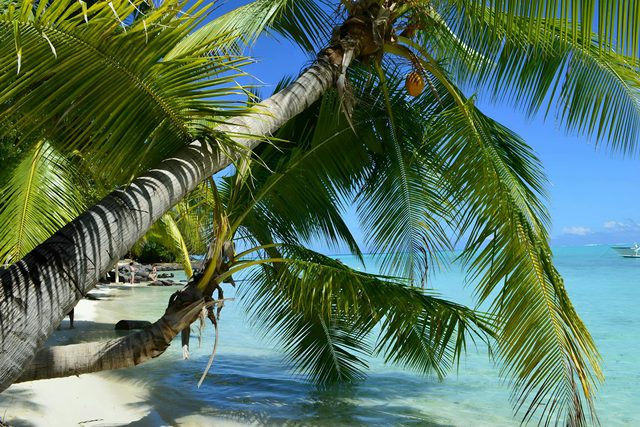
Snorkel gardens, motus and reef by private boat.
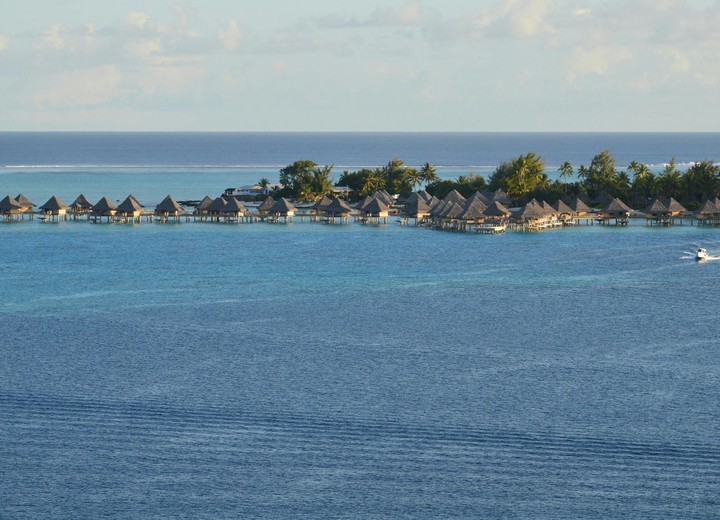
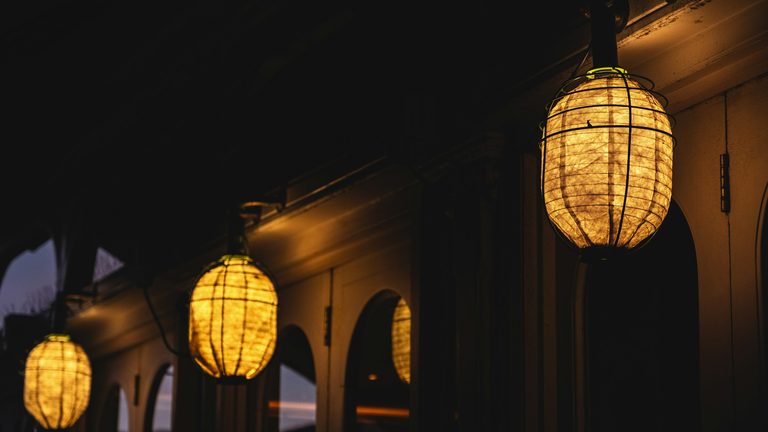
Sunset sails, private dinners, and nothing else.
Each a starting point — our advisors weave them into a single, seamless journey.
There's no single right month — it depends on the experience you want. Your Forest Travel advisor, who has spent time on the ground in Bora Bora, matches the timing to your trip: the light, the harvest or season worth being there for, and the weeks the crowds haven't found.
Enough to travel unhurried. Rather than a fixed package, your advisor shapes the length around your pace and the moments that matter — a few unforgettable days or a slow, immersive fortnight.
Entirely. Every Bora Bora journey is built around you — private access, the stays that never list, pacing and introductions that only four decades of relationships unlock. Nothing is off the shelf.
In Bora Bora, an overwater bungalow suits two; a beach villa suits anyone travelling with a child or wanting shade. The bungalow offers a glass floor, a ladder into the lagoon and no footpath past the door, but little shelter from the afternoon sun and, at several resorts, a minimum age. A beach villa is cooler, usually larger for the same money, and opens onto sand. On a seven-night honeymoon, split it: beach first, overwater last.
In Bora Bora, face Mount Otemanu for the photograph and away from it for the sunset. Lagoon-facing bungalows look back across calm, shallow water at the 727-metre volcanic core, a view that reads best at sunrise. Motus facing the open ocean trade the mountain for better evening light. East-facing decks get morning sun and calmer water; west-facing decks catch an afternoon breeze that chops the lagoon. Otemanu-view categories are the first to sell out.
Reaching a Bora Bora resort is always by air, then by water. Air Tahiti flies from Papeete in 50 minutes, landing on Motu Mute, an islet across the lagoon from the main island. The resort's launch meets you at the airport dock, and the crossing takes about 15 to 40 minutes depending on the motu. Air Tahiti's public shuttle to Vaitape takes 15 to 20 minutes. Boats mostly run in daylight, so an early Papeete arrival matters.
In Bora Bora, a motu set for dinner, a private launch, a dawn paddle before the resort wakes and a guide to yourself can all be arranged privately. The lagoon itself cannot: the ray and shark sites are shared public water, and swimming with humpbacks between July and November is licensed, capped and regulated by boat and by distance. Forest Travel books the licensed operator early and keeps your mornings unspoken for.
Bora Bora is unmatched at one thing, the view from a deck over its lagoon, and merely good at most others, so pairing it often makes sense. Moorea suits travellers who want to leave the resort, with a road, a village and food that is not room service. Divers should give their nights to the Tuamotus, where the passes are. The honest itinerary uses Bora Bora for three or four nights and spends the rest elsewhere.
A private week in Bora Bora starts from around US$14,000 per person, based on the published reference of about US$2,050 per person per night over seven nights. The figure rises with an overwater bungalow facing Mount Otemanu, the first category to sell out, a private motu dinner, a helicopter over the peak and a private launch. Many itineraries spend three or four nights here and the rest on Moorea or in the Tuamotus. The planning fee is US$250 per itinerary.
June to September, inside the May to October dry season, gives the clearest water and the calmest lagoon. This is the austral winter: the sun is reliable, the trade winds are steady and the lagoon holds its colour. From November the water warms, the light softens and squalls arrive; nothing is ruined, but the photographs are harder to take. Humpbacks pass between July and November, and swimming with them is licensed and capped.
Every journey here is a starting point a private advisor reshapes entirely around you — your pace, your people, the Bora Bora only you would recognise.
A real person answers: an in-house luxury travel advisor, in English or Spanish. The first conversation is complimentary.