01
Drifting Fakarava's South Pass
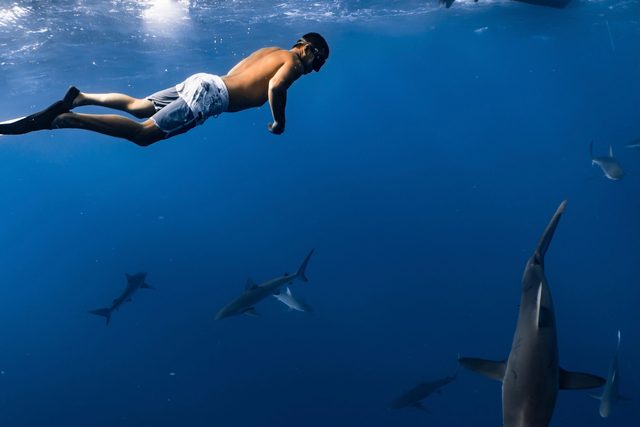
Hundreds of sharks in the channel as you drift the tide, expertly led.
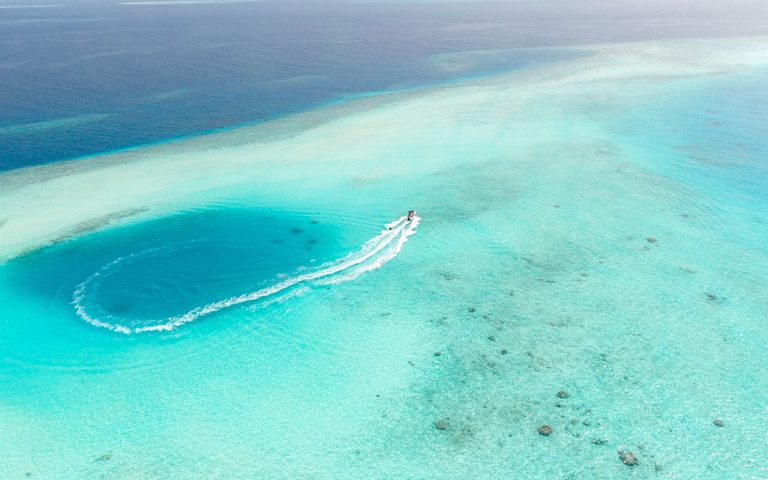
Coral atolls on the open Pacific — the great diving, the deepest quiet.
The Tuamotus are coral atolls scattered across the Pacific — Rangiroa and Fakarava, where the passes fill with sharks, rays and schooling fish on every tide. This is French Polynesia at its most remote and most alive: a private lodge, a dive guide, and the drift of the pass.
Hundreds of sharks in the channel as you drift the tide, expertly led.
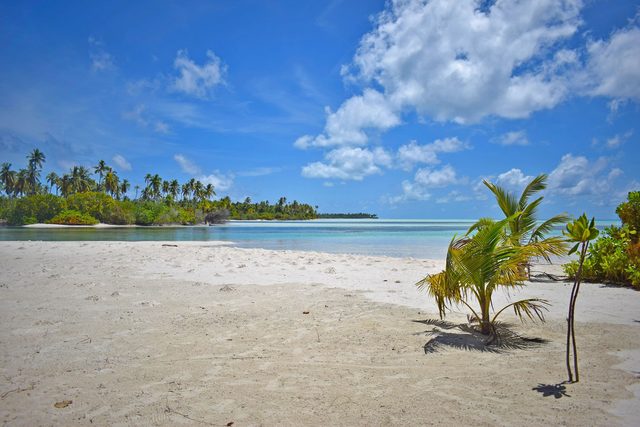
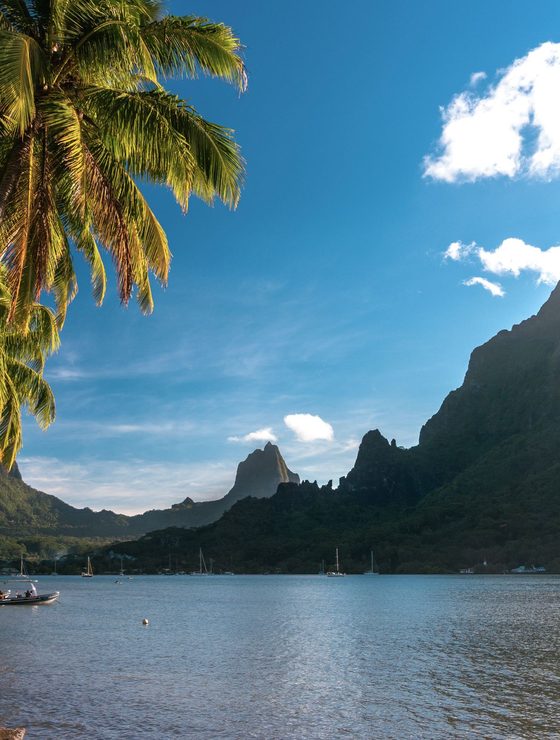
A private islet of pink sand on an empty turquoise lagoon.
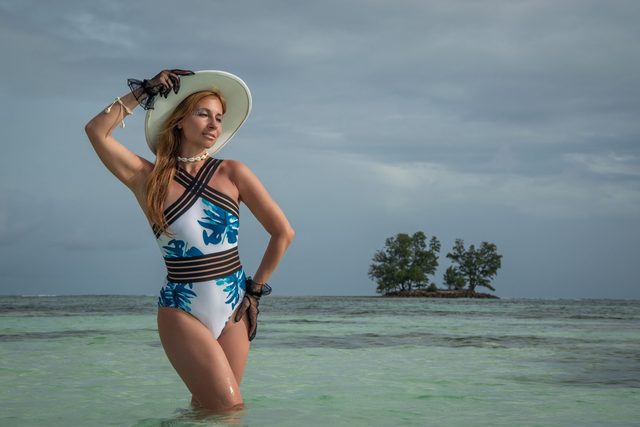
The black pearl from lagoon to hand, with the farmers who grow it.
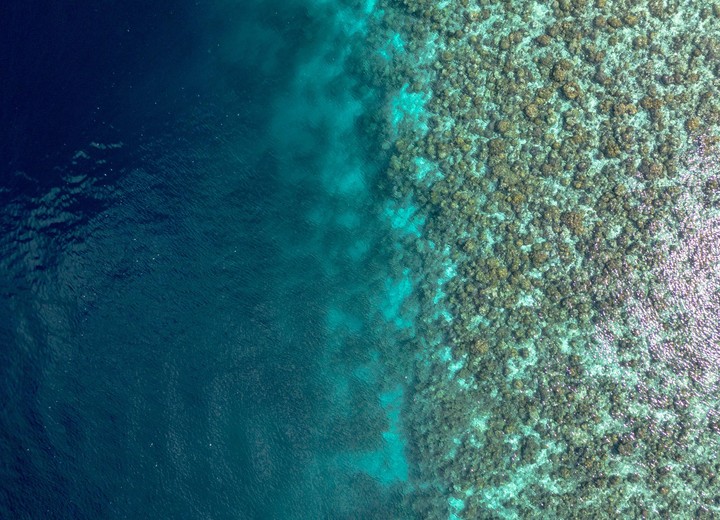
Rangiroa and Fakarava's passes with a private dive team.
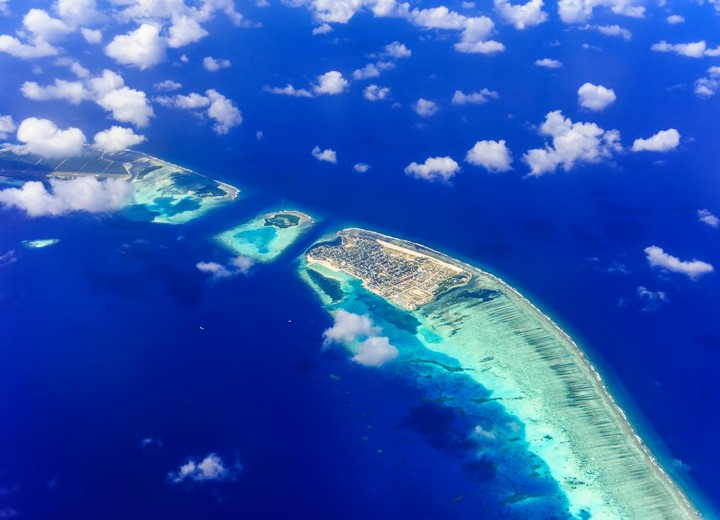
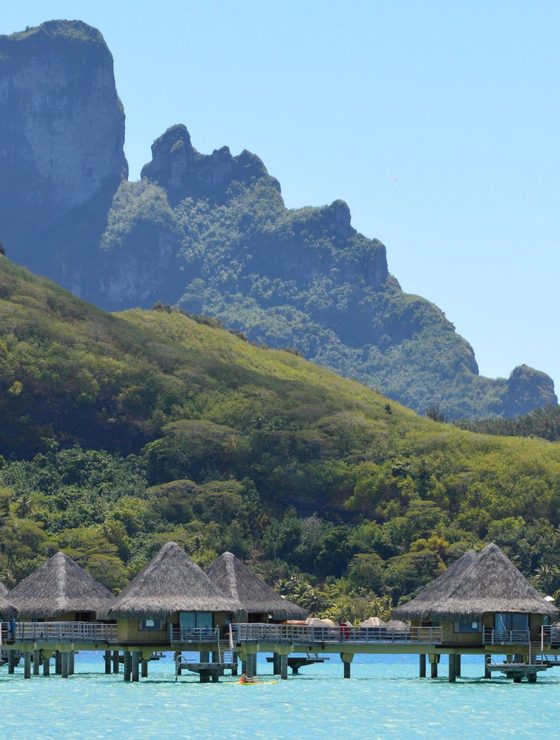
An atoll lodge, pink sand, and the open ocean.
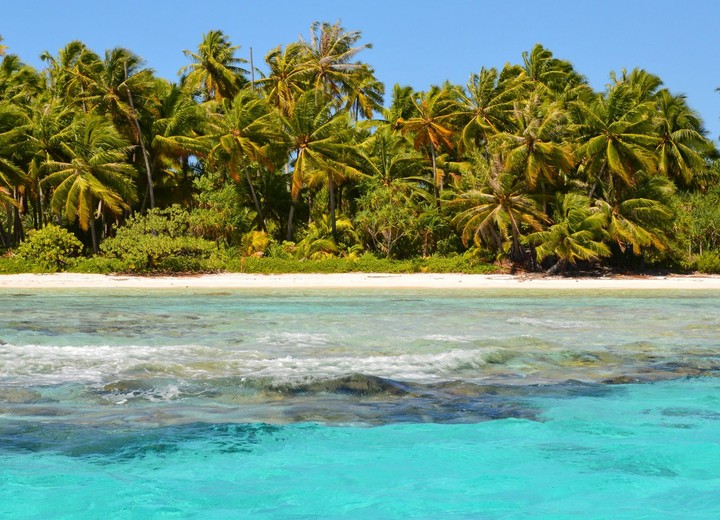
Black-pearl culture and reef life, far from anywhere.
Each a starting point — our advisors weave them into a single, seamless journey.
Fakarava's southern pass, Tumakohua, holds the densest known aggregation of grey reef sharks anywhere: a resident population estimated at more than seven hundred, with three to five hundred visible on a single drift. The signature dive is a drift on the incoming tide at 20 to 30 metres, expertly led. The aggregation is present year-round, though it reads best when the water is clear.
To dive the passes of Rangiroa and Fakarava, you need to be a comfortable diver, not necessarily an advanced one. The signature drift runs at 20 to 30 metres on the incoming tide, and the pass is more forgiving than its reputation. It is not a first ocean dive, though, and current is the whole mechanism, so recent logbook hours and honesty about your air consumption matter.
In French Polynesia's Tuamotus, Fakarava's southern pass, Tumakohua, is known for its grey reef sharks, with hundreds visible on a single drift. Rangiroa's Tiputa Pass brings dolphins and big pelagics through on the tide. Air Tahiti flies from Papeete to either atoll in about an hour, and the diver's journey combines both passes with a private dive team.
Non-divers in the Tuamotus can snorkel the shallow inner ends of the passes at both Rangiroa and Fakarava, which are genuinely worth the trip. Rangiroa's lagoon farms produce Tahitian pearls and can be visited privately with the farmers who grow them. Beyond that, the offer is quiet: a private pink-sand motu, a lagoon that runs to the horizon, and no reason to look at a schedule.
The Tuamotu atolls trade infrastructure for emptiness. There is only a handful of lodges and family pensions across an enormous scatter of atolls; some routes see one flight a day, power and fresh water are finite, and the menu is what the supply plane brought. Fakarava is a UNESCO Biosphere Reserve with real restrictions on where boats go and what may be taken, and Bora Bora's service standard does not exist out here.
The best time to visit the Tuamotus is April to November, a slightly wider window than the Society Islands allow because the atolls sit lower and drier. June to September brings the calmest surface and the best visibility in the passes of Rangiroa and Fakarava. Fakarava's shark aggregation is present year-round but reads best in clear water. Cyclone season, November to April, is the half to avoid, and inter-island flights are then most likely to shift.
The Tuamotus journeys run 6 to 7 days: The Diver's Atolls is 7 days across Rangiroa and Fakarava, while The Empty Lagoon and Pearls & the Pacific are 6 days each. Honeymooners with only six nights in French Polynesia will lose most of two to aircraft and docks. Ten nights is the point at which the atolls stop costing the trip anything; below that, Moorea is the better third island.
Yes. Forest Travel builds Tuamotus journeys around private elements: a private dive team for the passes of Rangiroa and Fakarava, a private lodge, a private pink-sand islet on an empty turquoise lagoon, and a pearl farm visited privately with the farmers who grow the black pearl. From around US$2,350 per person per night, you are paying for remoteness and a dive team rather than a spa menu, with a handful of lodges and family pensions across the atolls.
Yes, for divers and for travellers who want stillness. Fakarava's southern pass holds the densest known aggregation of grey reef sharks, with three to five hundred visible on a single drift, and Rangiroa's Tiputa Pass brings dolphins and big pelagics on the tide. They are not worth it for honeymooners with six nights, who lose most of two to aircraft and docks, or for anyone expecting Bora Bora's service standard. Ten nights in French Polynesia is where the atolls stop costing the trip anything.
By air from Papeete: Air Tahiti flies to Rangiroa or Fakarava in about an hour. Some routes see only one flight a day, so the connection from an international arrival in Tahiti is planned around that schedule, and inter-island flights are most likely to shift in the cyclone season, November to April. Once on an atoll, the passes, the pink-sand motus and the pearl farms are reached by boat with a private dive team or guide.
Every journey here is a starting point a private advisor reshapes entirely around you — your pace, your people, the The Tuamotus only you would recognise.
A real person answers: an in-house luxury travel advisor, in English or Spanish. The first conversation is complimentary.