01
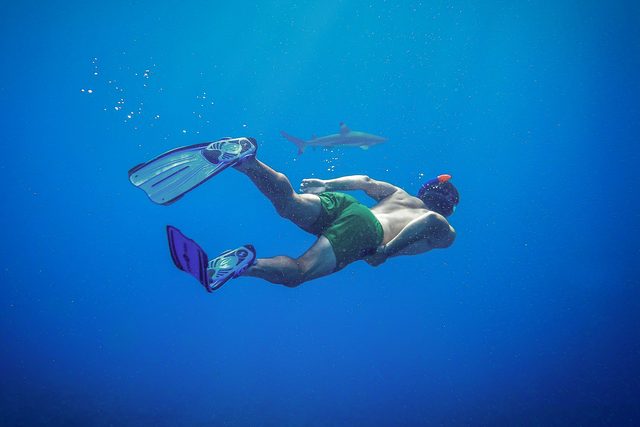
Rays & Reef Sharks in the Lagoon
Stand in waist-deep water as stingrays glide past, privately guided.
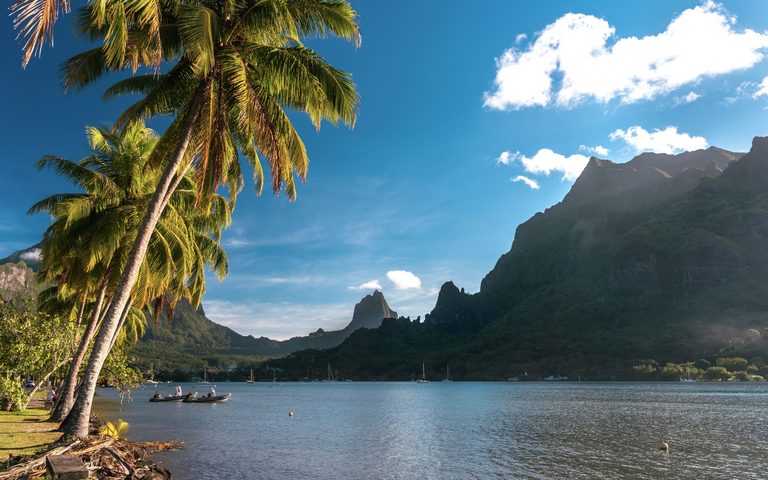
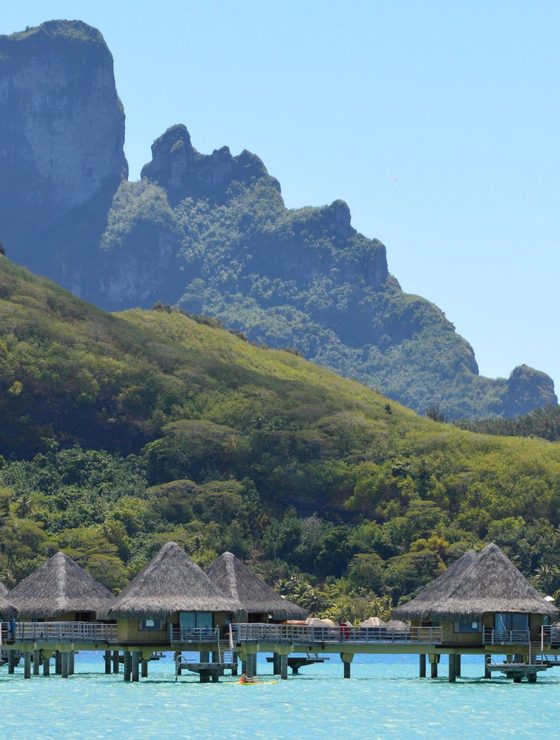
Bora Bora's wilder, greener neighbour — jagged peaks over a turquoise bay.
Moorea is Polynesia's dramatic interior made visible — emerald peaks plunging into Cook's and Ōpūnohu Bays, pineapple valleys, and a reef thick with rays. Quieter and wilder than its famous neighbour, it rewards those who want the mountain as much as the lagoon.
Stand in waist-deep water as stingrays glide past, privately guided.
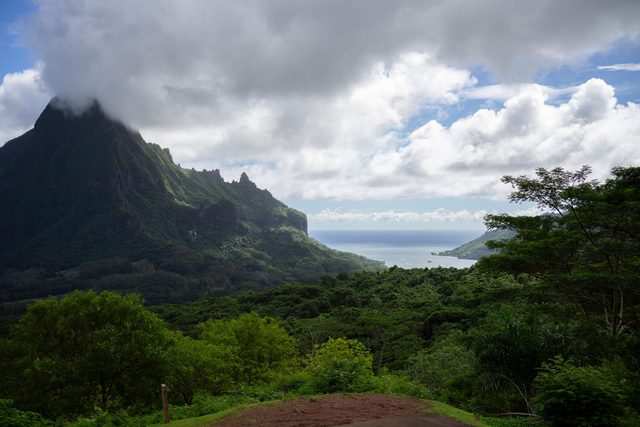
The twin bays from above before the island stirs.
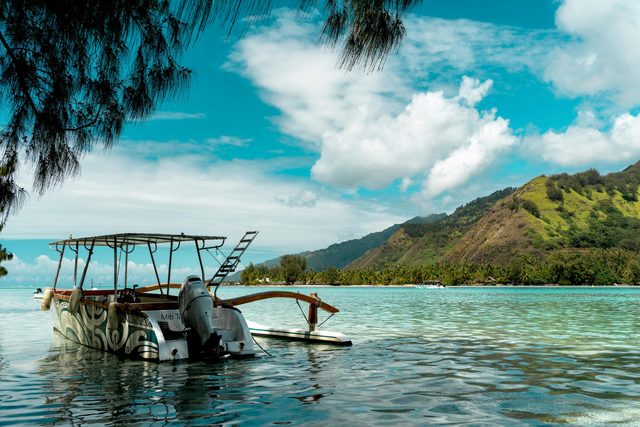
Pineapple plantations and waterfalls in the volcanic interior.
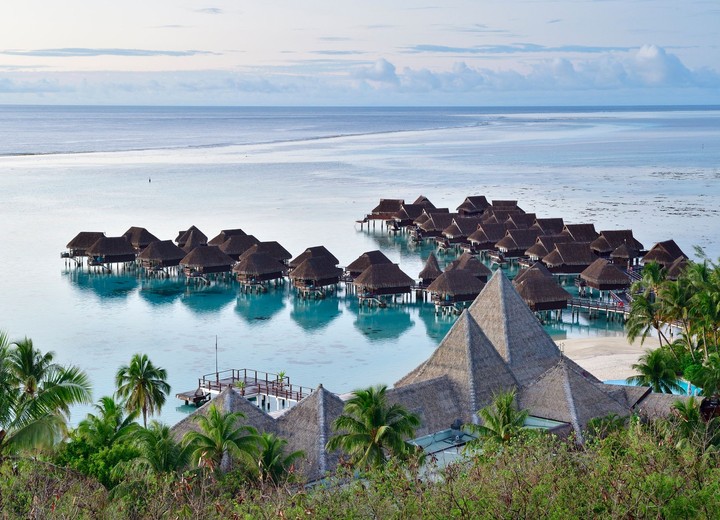
Hiking the peaks and snorkeling the reef, expertly guided.
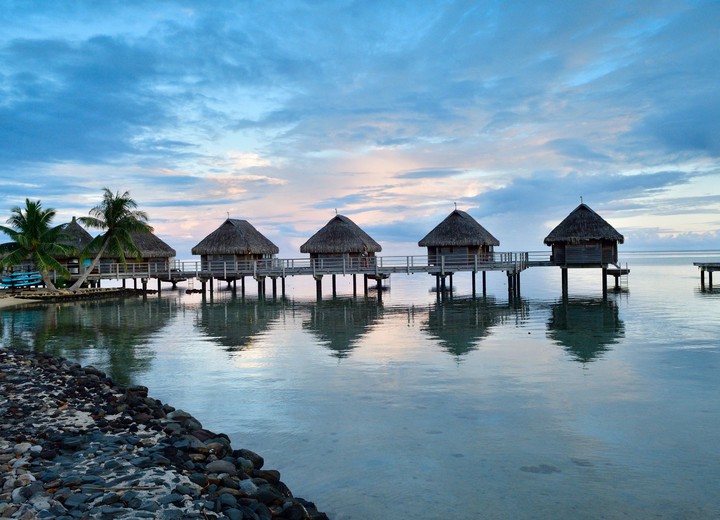
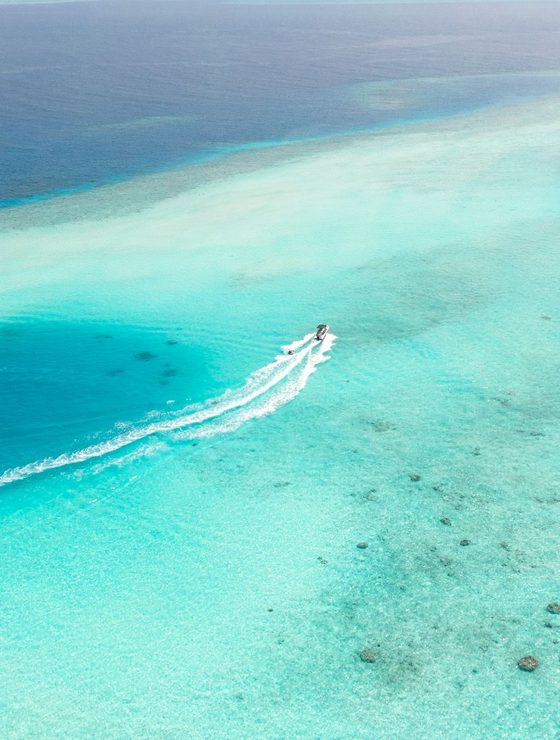
Moorea's calmer water and greener interior, at ease.
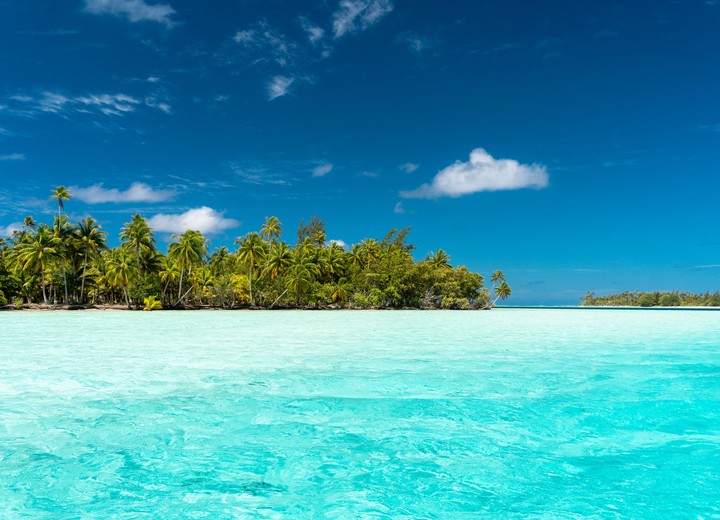
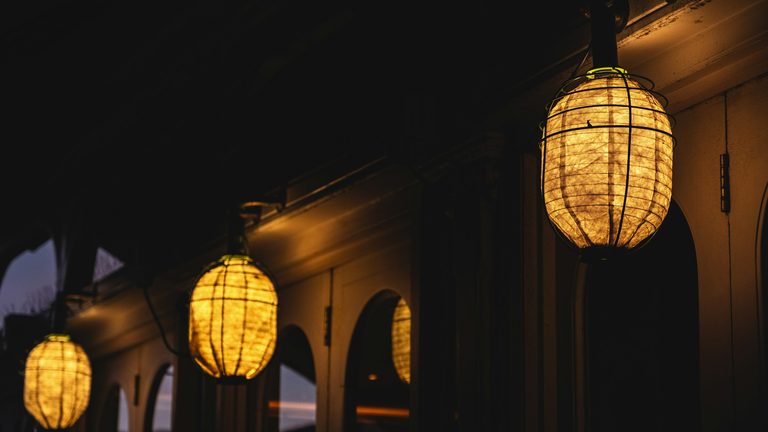
Vanilla, pineapple and the sea — Polynesia's flavours, privately.
Each a starting point — our advisors weave them into a single, seamless journey.
There's no single right month — it depends on the experience you want. Your Forest Travel advisor, who has spent time on the ground in Moorea, matches the timing to your trip: the light, the harvest or season worth being there for, and the weeks the crowds haven't found.
Enough to travel unhurried. Rather than a fixed package, your advisor shapes the length around your pace and the moments that matter — a few unforgettable days or a slow, immersive fortnight.
Entirely. Every Moorea journey is built around you — private access, the stays that never list, pacing and introductions that only four decades of relationships unlock. Nothing is off the shelf.
Take the ferry to Moorea, almost always. The crossing from Papeete to Vaiare takes 30 to 45 minutes and runs seven to ten times a day on the Aremiti and Terevau services, so it needs no airport and no booking discipline. The flight is ten minutes in the air but an hour and a half of process, so it makes sense only when a late international arrival has missed the last sailing, or when the sea is up.
Yes, humpbacks pass Moorea from July to November, but strict rules apply and there is no private whale swim. Since the 2025 season, boats must hold 100 metres, run a parallel course and never approach from ahead or behind. Only a limited number of licensed vessels may work an animal at a time, each with at most eight guests and one guide in the water, and Moorea's in-water distance is now 15 metres, down from 30. Book a licensed operator early and keep mornings free.
Moorea is the better choice for travelers who want to go into the island rather than look at a lagoon. It is inhabited, with a ring road, a village, roulottes, pineapple farms and the Belvédère lookout between Cook's and Ōpūnohu Bays. A hire car lets you author your own day instead of following a resort schedule, and Moorea is considerably less expensive to eat on than Bora Bora.
Moorea's signature moments move between lagoon and mountain. In the lagoon, you stand in waist-deep water as stingrays glide past, alongside reef sharks, privately guided. At first light, the Belvedere shows the twin bays, Cook's and Ōpūnohu, from above before the island stirs. Inland, a valley by 4x4 leads through pineapple plantations and waterfalls in the volcanic interior.
Moorea is not the right island for travelers with four nights in French Polynesia and a single image in mind, for anyone who will not drive, or for divers, who should spend those nights in the Tuamotus. Its beaches are patchier than the lagoon deserves, so the best swimming is often off a pontoon or a boat, and service is less choreographed than on a Bora Bora motu. Moorea rewards curiosity rather than stillness.
Every journey here is a starting point a private advisor reshapes entirely around you — your pace, your people, the Moorea only you would recognise.