Spring in Naoshima
Soft light and thinner crowds — Naoshima before the rush. A private, tailored journey of 7 Days · 6 Nights in Naoshima, Japan, designed end to end by a Forest Travel advisor — with Virtuoso privileges at the finest luxury hotels, from US$8,900 per traveler.
- Ideal length: 7 Days · 6 Nights
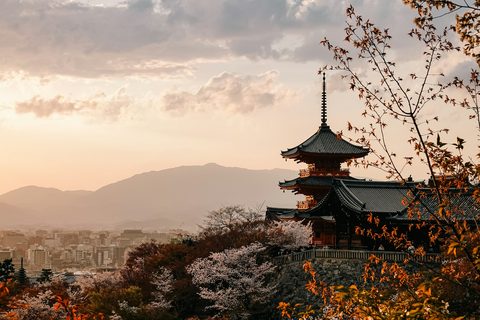
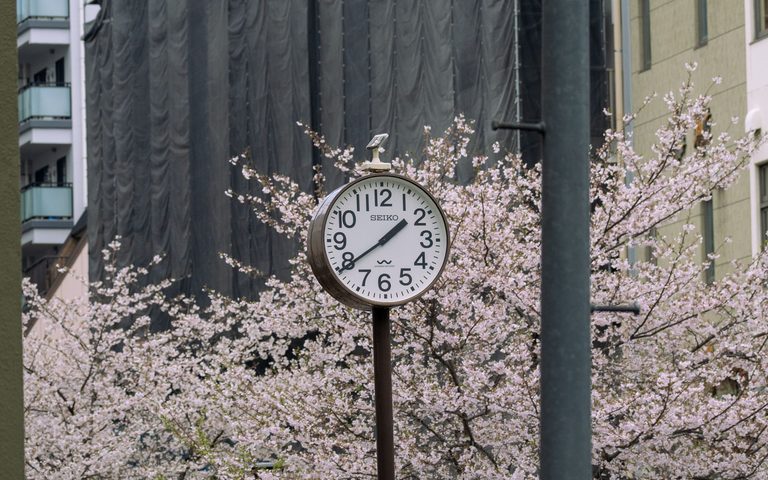
- Best time: Late March through mid-April brings the cherry blossoms, while November paints the maples crimson and the summer crowds recede.
- Private guiding, access and transfers throughout
- From US$8,900 per traveler — a starting point, tailored to you
- Designed one-to-one by a Forest Travel advisor
- Virtuoso privileges at the finest luxury hotels
Soft light and thinner crowds — Naoshima before the rush. A private, tailored journey of 7 Days · 6 Nights in Naoshima, Japan, designed end to end by a Forest Travel advisor — with Virtuoso privileges at the finest luxury hotels, from US$8,900 per traveler.
Japan rewards those who slow down, offering a rare intimacy between ancient ritual, precise craft and quiet natural beauty.
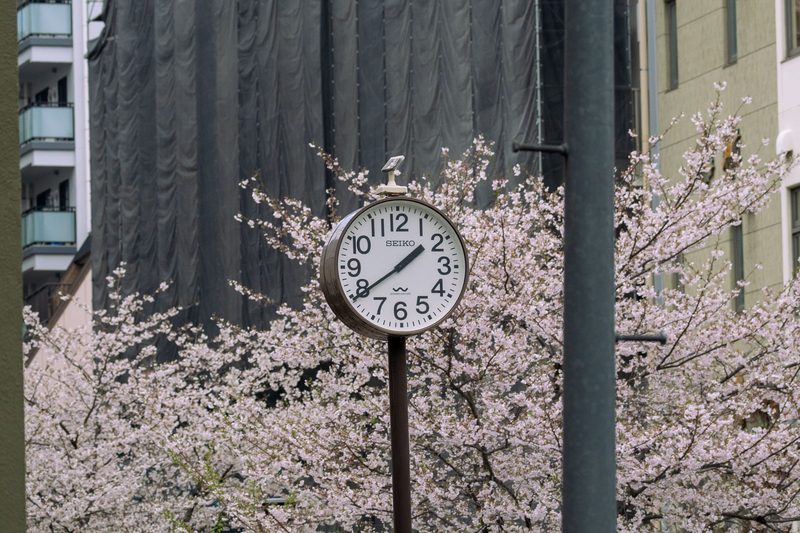
When to go
Late March through mid-April brings the cherry blossoms, while November paints the maples crimson and the summer crowds recede. Your advisor times it to the light, the crowds and your own calendar.
The experiences
A sense of what this journey can hold — each one arranged privately and shaped to you:
- A private dawn walk along the Benesse Art Site perimeter before the ferry crowds arrive from Uno, arranged with a local art-site liaison who holds access outside public hours.
- A chartered boat crossing to Teshima and Inujima in a single spring day, timed to catch the late-April light on the Teshima Art Museum's elliptical oculus.
- An evening session at one of Naoshima's remaining sento bathhouses — Shinro Ohtake's I♥湯 — where locals and visitors share the ritual on equal footing, reserved through Forest for preferred entry.
- A private meeting with a Honmura district ceramicist whose studio occupies a converted machiya, arranged outside open-studio weekends when the conversation can be unhurried.
A sense of the rhythm
Days on Naoshima in late March through early May open slowly — morning mist off the Seto Inland Sea burns off by nine, and the island's compact scale means a bicycle carries you from Honmura's Art House Project to Chichu Art Museum in under twenty minutes. Afternoons hold long stretches of unhurried looking; the shoulder-season crowds thin after the Golden Week preview ends, and evenings return the island to something close to silence.
Whether to base entirely on Naoshima or build in nights on the mainland at Okayama or Takamatsu
Naoshima rewards depth over breadth — three full days on the island reveal layers that a day-tripper cannot reach, so we generally counsel against splitting the first half of the week. That said, Okayama's Korakuen garden peaks in late April and Takamatsu's Ritsurin-koen is at its finest in early May; both are under an hour by ferry and train. For travelers with seven nights, our preferred structure keeps five nights on the island and builds one night in Takamatsu at the journey's close, allowing a graceful re-entry to urban pace. The decision turns on whether your priority is total immersion in the art-island ecosystem or a wider view of Setouchi's spring.
How to do it well
The counsel our advisors give travelers planning this journey:
- Book ferry crossings to Teshima and Inujima by February for late-April departures — chartered vessels fill quickly during the pre-Golden Week window and again in early May.
- The Art House Project in Honmura operates on timed entry; Forest secures advance reservations in January for the March–May season, as walk-up slots disappear within minutes of release.
- Spring weather on the Seto Inland Sea is mild but changeable — pack a light rain layer and plan museum-heavy mornings for days when the forecast shows afternoon showers, reserving outdoor cycling for clear days.
- Naoshima's finest luxury hotels allocate their limited spring inventory to preferred partners from December onward; contact Forest before the new year to hold rooms across the Golden Week corridor without paying last-minute premiums.
What only your advisor can open
The difference between a good trip and an unrepeatable one is access — and access is a relationship, not a booking. Every guide, room and moment is chosen and sequenced for you.
Who it's for
Travelers who value privacy, time and doing it once — beautifully — and who would rather have one trusted advisor orchestrate every detail than assemble it themselves.
Estimated investment
From US$8,900 per traveler, based on double occupancy — scaled to your dates, party size and level of privacy. A starting point, not a final quote; confirmed once your advisor tailors the itinerary.
Designed entirely around you
Nothing here is a package. A Forest Travel advisor shapes the whole journey and stays one message away before and throughout your trip.
Your Virtuoso privileges
As a Virtuoso member, Forest Travel includes benefits reserved for Virtuoso guests at the finest luxury hotels, at no added cost: a room upgrade on arrival when available, daily breakfast for two, a property credit toward dining or spa, and early check-in with late check-out when the hotel allows.
Continue exploring Naoshima
Part of our Naoshima travel guide. Related private journeys:
Begin the conversation
Tell a Forest Travel advisor how you like to travel and they will design Spring in Naoshima around you — privately, every Virtuoso privilege included. Request your private consultation →
Questions, answered.
Naoshima rewards depth over breadth — three full days on the island reveal layers that a day-tripper cannot reach, so we generally counsel against splitting the first half of the week. That said, Okayama's Korakuen garden peaks in late April and Takamatsu's Ritsurin-koen is at its finest in early May; both are under an hour by ferry and train. For travelers with seven nights, our preferred structure keeps five nights on the island and builds one night in Takamatsu at the journey's close, allowing a graceful re-entry to urban pace. The decision turns on whether your priority is total immersion in the art-island ecosystem or a wider view of Setouchi's spring.
Earlier than most travelers expect. Book the crossings to Teshima and Inujima by February for late-April departures, because chartered vessels fill quickly in the pre-Golden Week window and again in early May. The Art House Project in Honmura runs on timed entry, so Forest secures reservations in January for the March–May season; walk-up slots disappear within minutes of release. For hotels, contact Forest before the new year, as the finest properties allocate limited spring rooms to preferred partners from December.
Spring on the Seto Inland Sea is mild but changeable, so pack a light rain layer. Mornings often begin with mist off the sea that burns off by about nine. When the forecast shows afternoon showers, plan museum-heavy mornings, and save outdoor cycling for clear days. The island is compact: a bicycle carries you from Honmura's Art House Project to Chichu Art Museum in under twenty minutes.
Go early and go privately. This journey opens with a dawn walk along the Benesse Art Site perimeter before the ferry crowds arrive from Uno, arranged with a local art-site liaison who holds access outside public hours. Spring itself helps: the shoulder-season crowds thin after the Golden Week preview ends, afternoons allow long stretches of unhurried looking, and evenings return the island to something close to silence.
Spring in Naoshima is designed as 7 Days · 6 Nights. The days open slowly, with morning mist off the Seto Inland Sea lifting by nine, then a short bicycle ride between Honmura's Art House Project and Chichu Art Museum, and afternoons of unhurried looking before quiet evenings. Three full days on the island reveal layers a day-tripper cannot reach, so we counsel against splitting the first half of the week. A day can go to a chartered crossing to Teshima and Inujima, and a final night in Takamatsu allows a graceful re-entry to urban pace.
As a private, tailored journey it starts from roughly US$8,900 per traveler (double occupancy) and scales with your dates, party and level of privacy — a starting point, never a fixed package price. Your advisor confirms the figure once the itinerary is tailored.
For this journey, spring is the season: late March through mid-April brings the cherry blossoms, and island days from late March through early May open with soft light and thinner crowds. Late April is the moment to time the chartered crossing to Teshima for the light on the Teshima Art Museum's elliptical oculus, and when Okayama's Korakuen garden peaks; Takamatsu's Ritsurin-koen is finest in early May. November is the alternative, when the maples turn crimson and the summer crowds recede. Your advisor times it to the light, the crowds and your calendar.
Yes. Spring in Naoshima can include an evening session at I♥湯, Shinro Ohtake's bathhouse and one of Naoshima's remaining sento. Locals and visitors share the bathing ritual on equal footing, so it offers a glimpse of island life beyond the museums. Forest reserves preferred entry, and the session is arranged privately and shaped to you, a fitting close to a day of unhurried looking before the island settles into near silence.
Yes. A spring journey to Naoshima can include a private meeting with a ceramicist in the Honmura district whose studio occupies a converted machiya, a traditional townhouse. The visit is arranged outside open-studio weekends, so the conversation can be unhurried rather than crowded. It reflects what Japan rewards in those who slow down: a rare intimacy with precise craft, set in the same district as Honmura's Art House Project.
Yes, by chartered boat. On a spring journey to Naoshima, a private charter crosses to both Teshima and Inujima in a single day, timed to catch the late-April light on the Teshima Art Museum's elliptical oculus. Chartered vessels fill quickly in the pre-Golden Week window and again in early May, which is why the crossing is booked by February for late-April departures.
At least three full days on the island; a day trip from Okayama or Takamatsu sees the museums but misses the island's rhythm. Three days reveal layers a day-tripper cannot reach, and our Naoshima journeys run six or seven days, with five nights on the island and, in spring, an optional final night in Takamatsu. Add a day if you want a boat crossing to Teshima and Inujima.
For a first visit, Naoshima. It holds Tadao Ando's three museum buildings, the Chichu Art Museum, the Lee Ufan Museum and the Benesse House Museum, along with the seven Art House Project sites in the village of Honmura. Its neighbours in the Seto Inland Sea, Teshima with the Teshima Art Museum and Inujima with the Seirensho Art Museum, are a short boat ride away and suit a second visit.
The Chichu Art Museum comes first, with James Turrell's Open Sky, the Walter De Maria hall and Monet's Water Lilies lit by daylight. Add the Lee Ufan Museum and the Benesse House Museum, the seven Art House Project sites in Honmura, the Yellow Pumpkin on the pier and an evening at the I♥湯 sento bathhouse. Book Chichu and the Art House Project in advance: both run on timed entry.
Japan
See the collection →Tell a private advisor how you like to travel — no quotes, no obligation.
Speak With a Luxury Travel AdvisorA real person answers: an in-house luxury travel advisor, in English or Spanish. The first conversation is complimentary.