Art & Culture in Naoshima
The island as a single coherent artwork — Tadao Ando's three buildings walked in the order the Benesse Foundation intended, the Art House Project's seven installations in the village of Honmura seen with a local guide who grew up watching the transformations, and the ferry deck as a gallery of Seto Inland Sea light. A private, tailored journey of 6 Days · 5 Nights in Naoshima, Japan, designed end to end by a Forest Travel advisor — with Virtuoso privileges at the finest luxury hotels, from US$8,900 per traveler.
- Ideal length: 6 Days · 5 Nights
- Best time: Late March through mid-April brings the cherry blossoms, while November paints the maples crimson and the summer crowds recede.
- Private guiding, access and transfers throughout
- From US$8,900 per traveler — a starting point, tailored to you
- Designed one-to-one by a Forest Travel advisor
- Virtuoso privileges at the finest luxury hotels
The island as a single coherent artwork — Tadao Ando's three buildings walked in the order the Benesse Foundation intended, the Art House Project's seven installations in the village of Honmura seen with a local guide who grew up watching the transformations, and the ferry deck as a gallery of Seto Inland Sea light. A private, tailored journey of 6 Days · 5 Nights in Naoshima, Japan, designed end to end by a Forest Travel advisor — with Virtuoso privileges at the finest luxury hotels, from US$8,900 per traveler.
Japan rewards those who slow down, offering a rare intimacy between ancient ritual, precise craft and quiet natural beauty.
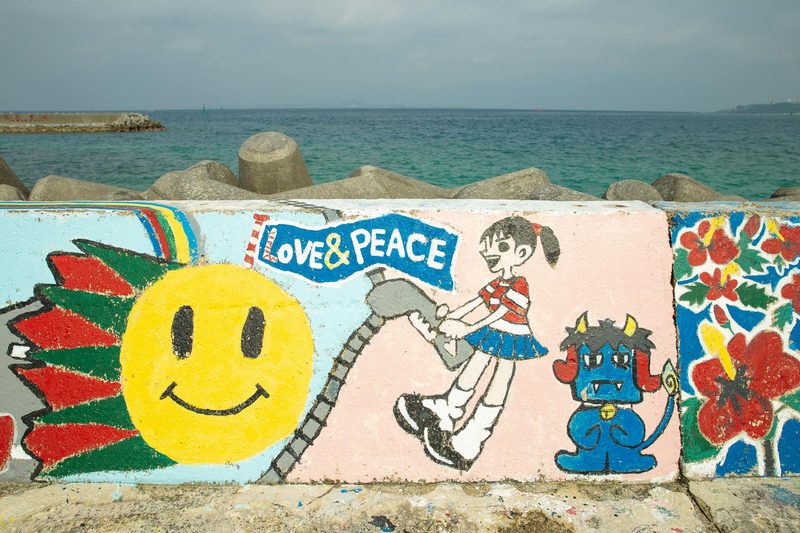
When to go
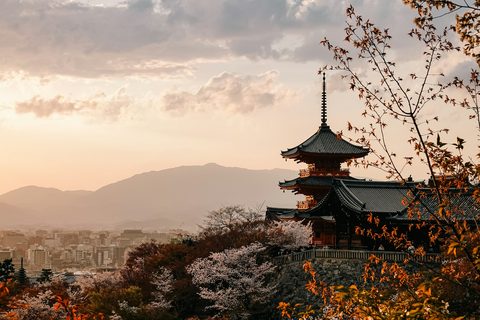
Late March through mid-April brings the cherry blossoms, while November paints the maples crimson and the summer crowds recede. Your advisor times it to the light, the crowds and your own calendar.
The experiences
A sense of what this journey can hold — each one arranged privately and shaped to you:
- A private after-hours access to the Chichu Art Museum arranged for the hour when James Turrell's Open Sky shifts from afternoon blue to dusk grey, with no other visitors present.
- A guided walk through all seven Art House Project sites in Honmura with a local cultural interpreter who documented the village's transformation from a working fishing community into a living installation across three decades.
- A crossing of the Seto Inland Sea aboard a chartered vessel timed to the late-afternoon light, stopping at Teshima to view the Teshima Art Museum before returning to Naoshima by evening ferry.
- A curatorial conversation with a Benesse Foundation contact who can contextualize the sequence of Ando's three buildings — Chichu, the Lee Ufan Museum, and the Benesse House Museum — as a single spatial argument about light, emptiness, and time.
A sense of the rhythm
Days on Naoshima move slowly and deliberately — the island rewards visitors who resist filling every hour, because the art is designed to compound across a full stay rather than to be consumed quickly. Mornings suit the museums before island heat and foot traffic build; afternoons belong to Honmura's lanes and the long ferry light; evenings reduce to a meal, a walk, and the sound of the sea. By day four most travelers stop consulting a schedule.
Whether to extend into Teshima and Inujima or stay concentrated on Naoshima alone
The Setouchi archipelago offers Teshima's Teshima Art Museum and Inujima's Seirensho Art Museum within a short ferry radius, and both reward serious attention — but adding them changes the journey's character from deep immersion to island-hopping survey. Six days on Naoshima alone is enough time to return to the same Ando space twice and notice what changes, which is itself a curatorial act the Benesse Foundation intended. Our counsel is to anchor the itinerary on Naoshima and build in one half-day crossing to Teshima as a single counterpoint, rather than treating the archipelago as a checklist. Travelers who have already visited Naoshima before are the best candidates for a multi-island extension built around Inujima.
How to do it well
The counsel our advisors give travelers planning this journey:
- Secure Chichu Art Museum timed-entry reservations as far in advance as possible — slots for peak season, which runs from late April through early November, are released on a rolling basis and the most desirable morning windows are gone weeks out; we handle this as part of orchestration.
- The Art House Project's Kinza installation accepts only two visitors at a time by reservation, and availability in April and October — the finest months on the island for light and temperature — is genuinely limited; confirm your dates with us at least three months before departure.
- The finest luxury hotels in the Naoshima and Okayama area that position guests well for early museum access book out for Golden Week (late April to early May) and the Setouchi Triennale, which runs in select months of its triennial years; the next edition is due in 2028, and advance planning is essential.
- Arrange Okayama as a transit node rather than an afterthought — the shinkansen connection is under an hour, and a private car from Okayama to Uno Port for the Naoshima ferry adds flexibility that public timetables cannot offer, particularly for travelers with luggage or early departures.
What only your advisor can open
The difference between a good trip and an unrepeatable one is access — and access is a relationship, not a booking. Every guide, room and moment is chosen and sequenced for you.
Who it's for
Travelers who value privacy, time and doing it once — beautifully — and who would rather have one trusted advisor orchestrate every detail than assemble it themselves.
Estimated investment
From US$8,900 per traveler, based on double occupancy — scaled to your dates, party size and level of privacy. A starting point, not a final quote; confirmed once your advisor tailors the itinerary.
Designed entirely around you
Nothing here is a package. A Forest Travel advisor shapes the whole journey and stays one message away before and throughout your trip.
Your Virtuoso privileges
As a Virtuoso member, Forest Travel includes benefits reserved for Virtuoso guests at the finest luxury hotels, at no added cost: a room upgrade on arrival when available, daily breakfast for two, a property credit toward dining or spa, and early check-in with late check-out when the hotel allows.
Continue exploring Naoshima
Part of our Naoshima travel guide. Related private journeys:
Begin the conversation
Tell a Forest Travel advisor how you like to travel and they will design Art & Culture in Naoshima around you — privately, every Virtuoso privilege included. Request your private consultation →
Questions, answered.
The Setouchi archipelago offers Teshima's Teshima Art Museum and Inujima's Seirensho Art Museum within a short ferry radius, and both reward serious attention — but adding them changes the journey's character from deep immersion to island-hopping survey. Six days on Naoshima alone is enough time to return to the same Ando space twice and notice what changes, which is itself a curatorial act the Benesse Foundation intended. Our counsel is to anchor the itinerary on Naoshima and build in one half-day crossing to Teshima as a single counterpoint, rather than treating the archipelago as a checklist. Travelers who have already visited Naoshima before are the best candidates for a multi-island extension built around Inujima.
As early as possible. Chichu's timed-entry slots for peak season, late April through early November, are released on a rolling basis, and the best morning windows are gone weeks out. Kinza, part of the Art House Project, admits only two visitors at a time by reservation, and April and October availability is genuinely limited. Confirm your dates with us at least three months before departure. We handle these reservations as part of the planning.
Treat Okayama as a transit node, not an afterthought. The shinkansen connection is under an hour, and a private car from Okayama to Uno Port, where you board the Naoshima ferry, adds flexibility that public timetables cannot offer. This matters most for travelers with luggage or early departures, and it lets the journey move at your pace from the moment you arrive.
Yes. It does in Triennale years: the Setouchi Triennale runs in select months every three years, with the next edition due in 2028. The finest luxury hotels in the Naoshima and Okayama area that position guests well for early museum access book out during the Triennale, as they do for Golden Week, from late April to early May. Advance planning is essential if you want those early museum mornings.
Plan on 6 Days · 5 Nights. The island rewards visitors who resist filling every hour, because the art is designed to compound across a full stay. Mornings go to the museums before heat and foot traffic build; afternoons to Honmura's lanes and the long ferry light; evenings reduce to a meal, a walk and the sound of the sea. Six days is enough to return to the same Ando space twice and notice what changes, and to add one half-day crossing to Teshima. By day four, most travelers stop consulting a schedule.
As a private, tailored journey it starts from roughly US$8,900 per traveler (double occupancy) and scales with your dates, party and level of privacy — a starting point, never a fixed package price. Your advisor confirms the figure once the itinerary is tailored.
Late March through mid-April brings the cherry blossoms, and November turns the maples crimson as the summer crowds recede. For the art itself, April and October are the finest months on the island for light and temperature, though Kinza availability then is genuinely limited. Peak season runs from late April through early November, when Chichu's best morning slots go weeks out. Your advisor times the journey to the light, the crowds and your calendar.
Yes. On Naoshima, a private after-hours access to the Chichu Art Museum can be arranged for the hour when James Turrell's Open Sky shifts from afternoon blue to dusk grey, with no other visitors present. It is one of the experiences arranged privately on this journey, so you can watch the light change in the work itself rather than share the room during regular timed-entry hours.
The Art House Project is best seen on a guided walk through all seven sites in Honmura with a local cultural interpreter who documented the village's transformation from a working fishing community into a living installation across three decades. Afternoons suit Honmura's lanes on Naoshima, after the museum mornings. Note that the Kinza installation admits only two visitors at a time by reservation.
Tadao Ando's three buildings on Naoshima, Chichu, the Lee Ufan Museum and the Benesse House Museum, are walked in the order the Benesse Foundation intended. A curatorial conversation with a Benesse Foundation contact can place that sequence in context as a single spatial argument about light, emptiness and time. Six days also allows you to return to the same Ando space twice and notice what changes.
The crossing of the Seto Inland Sea is made aboard a chartered vessel timed to the late-afternoon light, stopping at Teshima to view the Teshima Art Museum before returning to Naoshima by evening ferry. It works as a single half-day counterpoint to the stay on Naoshima, with the ferry deck becoming a gallery of Seto Inland Sea light.
Japan
See the collection →Tell a private advisor how you like to travel — no quotes, no obligation.
Speak With a Luxury Travel AdvisorA real person answers: an in-house luxury travel advisor, in English or Spanish. The first conversation is complimentary.