01
The Atelier Door
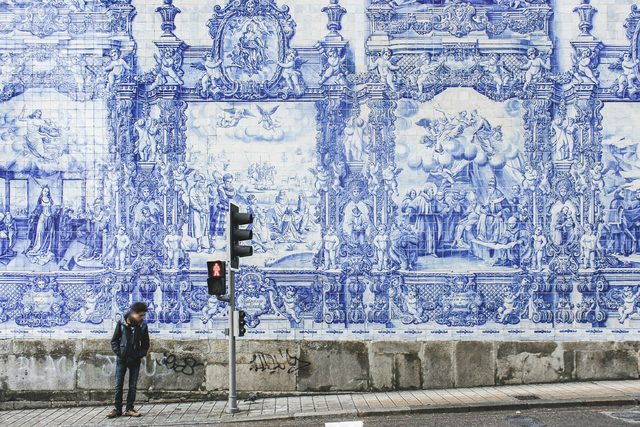
A private audience with a master azulejo tile-maker, the kiln still warm, a piece made for you.
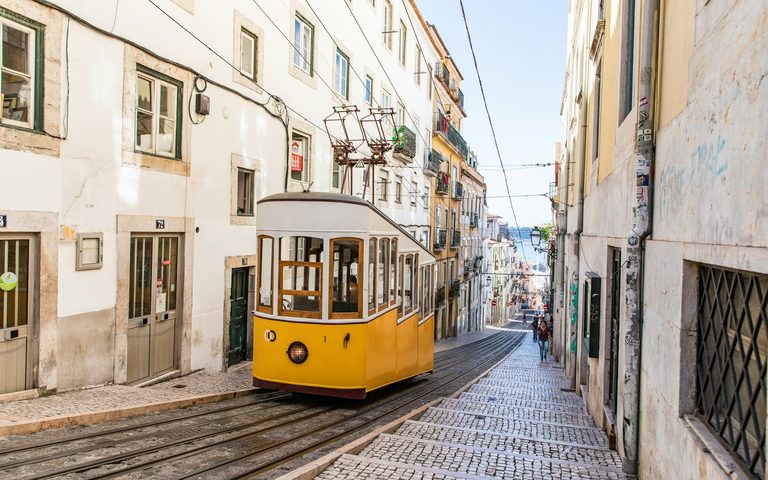
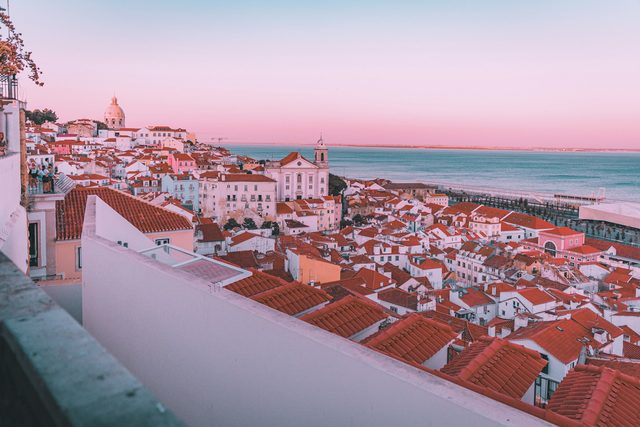
Seven hills, ocean light, and a city that opens quietly to those who know where to look.
Lisbon rewards the curious and the connected. We hold the rooftops without signs, the tile-makers' private ateliers and the fado rooms that don't take reservations — the city's soul, arranged for you alone.
Access, not availability — the moments that define a private Lisbon.
A private audience with a master azulejo tile-maker, the kiln still warm, a piece made for you.
An after-hours room, a single guitarist, the city's grief and joy sung for a handful of guests.
A chef's table along the Tagus, the catch chosen at dawn, the wine from a cellar that isn't listed.
Not packages — points of departure. Find the journey that already feels like yours; your advisor reshapes it entirely around you.
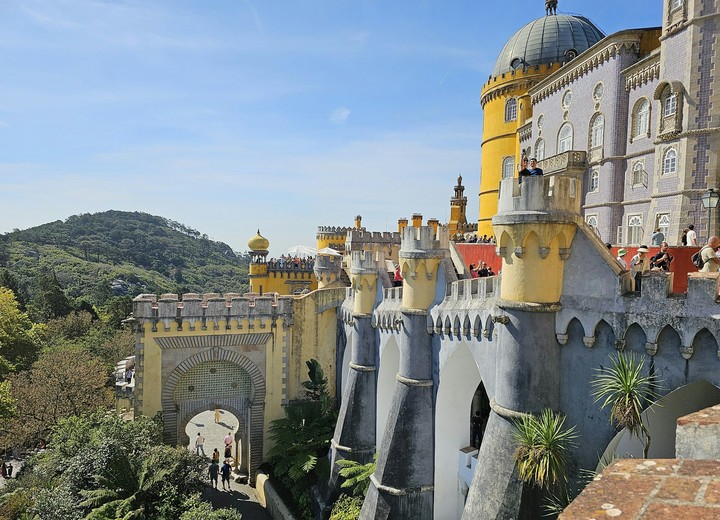
Palaces opened privately, hidden ateliers and the coast at Cascais — guided by historians, not tickets.
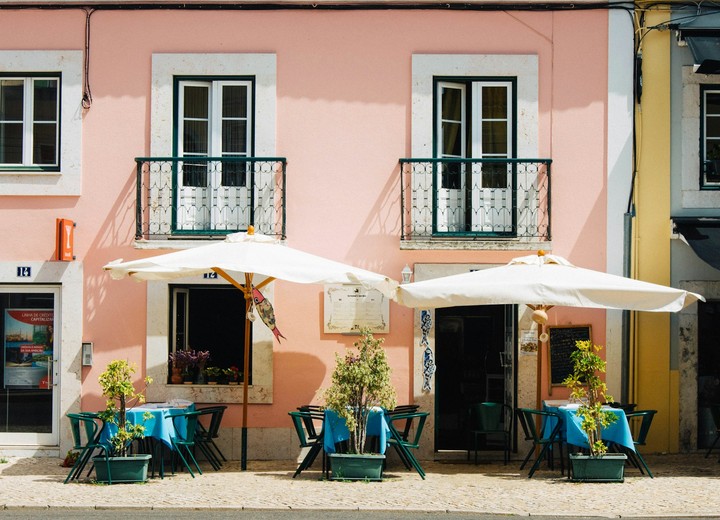
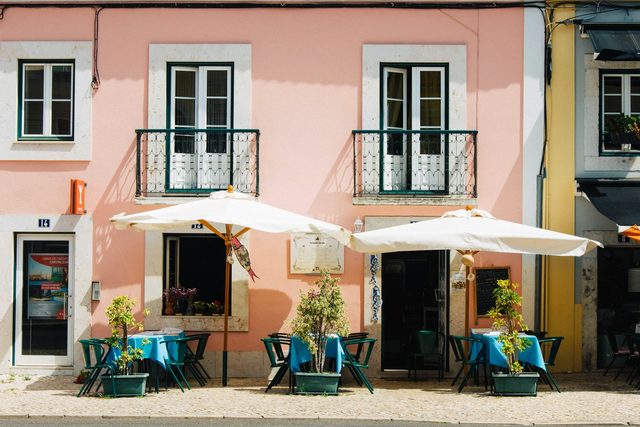
Chefs' counters, tinned-fish temples and cellars opened by name across the old town.
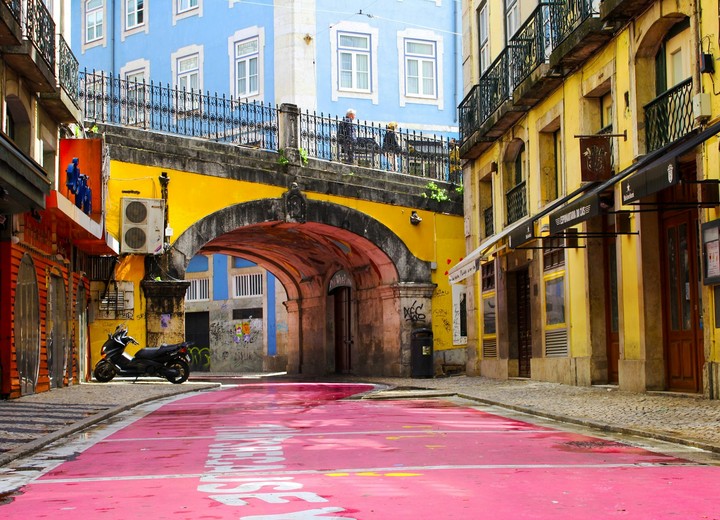
Private galleries, tile workshops and the quiet luxury of Príncipe Real.
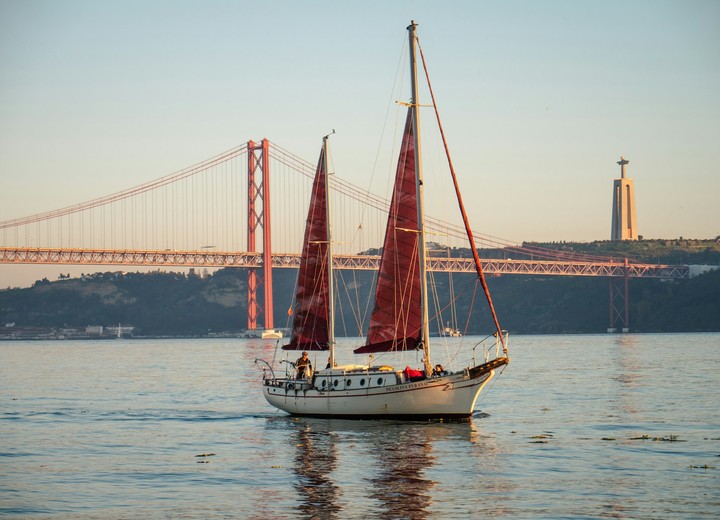
A private vessel on the Tagus at dusk, dinner where reservations don't exist.
Each a starting point — our advisors weave them into a single, seamless journey.
No one arranges a private visit to the Palace of Pena in Sintra: it is public and rationed, with entry sold for a specific date and time, and in high season the best slots go days ahead. The better approach is to take the first slot after the 09:30 opening, then spend the rest of the day away from the crowds at Monserrate, the Regaleira gardens, a private house or two, and lunch outside the village.
In Lisbon, staying in one of the hill quarters rather than on the avenue works best. Chiado and Príncipe Real put the ateliers, bookshops and best tables within walking distance. Lapa and the embassy streets are quieter and more residential. Alfama offers atmosphere, but at the cost of a car never reaching your door.
The fado rooms in Lisbon that truly matter do not take reservations. What can be held there is a relationship and a time to arrive, not a table with your name on it. For something more intimate, a private fado evening is possible: an after-hours room, a single guitarist, and the city's grief and joy sung for a handful of guests.
Lisbon is demanding underfoot. The city spreads across seven hills paved in calçada, a polished limestone cobble that is slippery in rain and unforgiving in the wrong shoes, and many addresses worth visiting sit up stairs no vehicle can climb. Travelers with limited mobility who expect door-to-door driving may find Lisbon a difficult base.
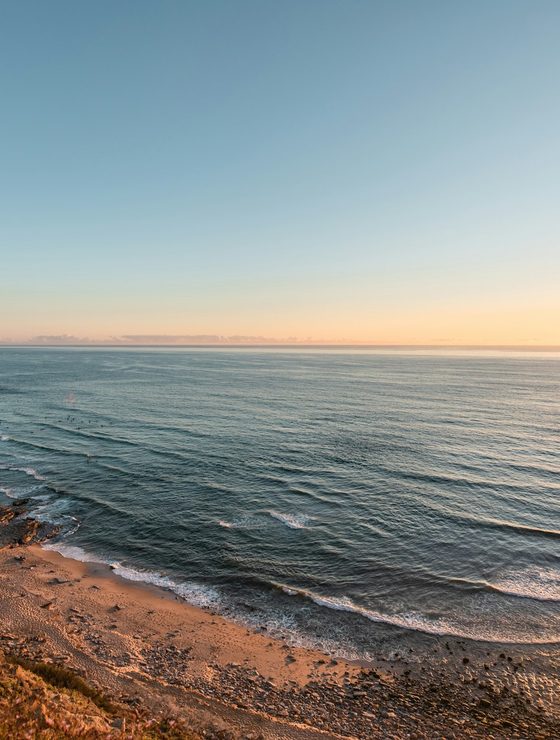
Lisbon is not the right base for a beach holiday. The Atlantic here is cold and the surf serious, so the coast at Cascais, Guincho and the Costa da Caparica is for walking and eating rather than lying still, and it only earns its place from April onwards. If sand and stillness are the point, base yourself in Comporta and treat Lisbon as two nights at the start.
Lisbon is worth visiting all year for the city itself, and from April to October if the coast is part of the plan. It is one of the few European capitals with no dead season: winter is mild, and museums, ateliers and fado rooms are at their least crowded. The beaches at Cascais, Guincho and the Costa da Caparica only earn their place from April onwards. The shoulder months either side of summer give warm light, open terraces and none of the July compression.
Three or four nights suit Lisbon best. Three nights covers the city, and a fourth buys Sintra or the coast without cutting anything. Base yourself in one of the hill quarters rather than on the avenue, such as Chiado, Príncipe Real or the quieter Lapa. For a fuller shape, the Lisbon & Sintra journey runs 6–7 days, the Culinary City and Design & Discretion journeys 5–6 days, and Lisbon by Water 4–5 days.
Yes. Every Lisbon journey is a point of departure that your advisor reshapes entirely around you. What can be arranged privately includes palaces opened privately with historians, an audience with a master azulejo tile-maker, an after-hours fado room with a single guitarist, a private vessel on the Tagus at dusk and a chef's table along the river. Some things stay public: nobody arranges a private Pena Palace, and the fado rooms that matter take no reservations, only a relationship and a time to arrive.
Lapa and Príncipe Real, for different reasons. Lapa and the embassy streets are the quiet, residential Lisbon; Príncipe Real, beside Chiado, puts the ateliers, the bookshops and the best tables within walking distance, and its quiet luxury is the base of the Design & Discretion journey. Alfama has atmosphere at the cost of a car never reaching your door. Plan three or four nights in one of the hill quarters rather than on the avenue.
Every journey here is a starting point a private advisor reshapes entirely around you — your pace, your people, the Lisbon only you would recognise.
A real person answers: an in-house luxury travel advisor, in English or Spanish. The first conversation is complimentary.