Which months suit the city, rather than the region?
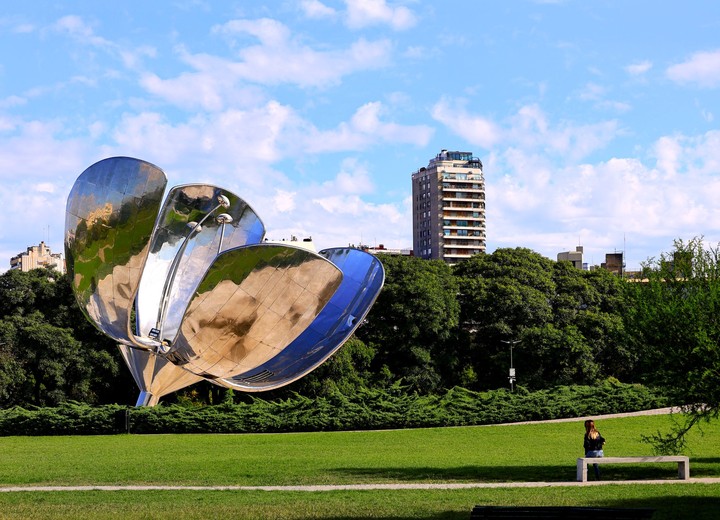
October to early December and March to May — not the Patagonian summer this page's season field advertises. Spring and autumn bring mild temperatures, the jacarandas in bloom through November, and a fuller calendar at the Teatro Colón and the galleries. January and February are hot and humid and the porteños leave for the coast, so the city is quieter but so is everything in it. June to August is cool and perfectly comfortable, and it is the cheapest good time to come.
Recoleta or Palermo — and how many nights?
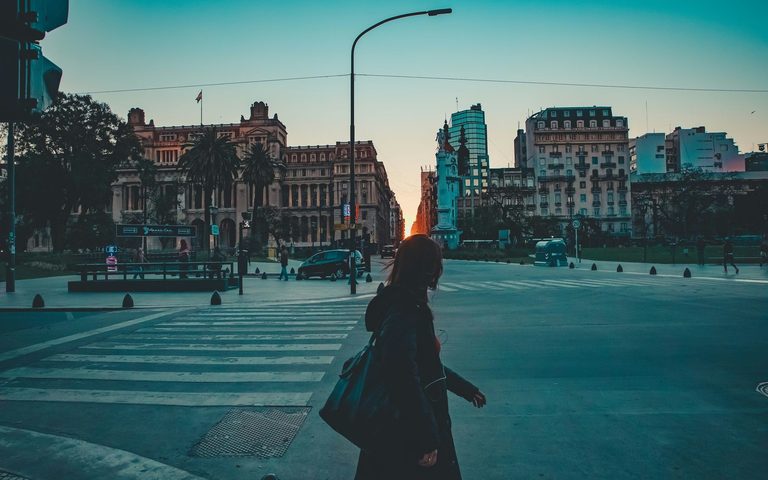
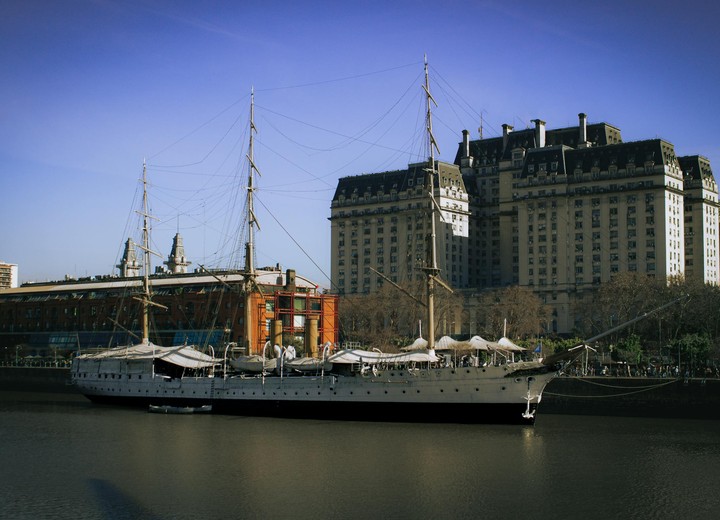
Recoleta for grandeur and walking distance to the cemetery and the museums; Palermo for trees, restaurants and shops. The international hotel names and the better boutique properties sit in these two neighbourhoods and nowhere else worth considering. Three to four nights is a comfortable stay: the historic centre, San Telmo, the cemetery, one day excursion and evenings that are not rushed. Two nights turns the city into a transit stop, which is a waste of the only European-scaled capital in South America.
What can genuinely be arranged privately here?
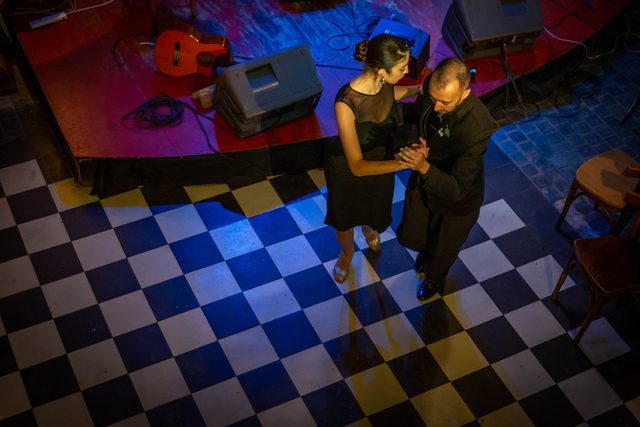
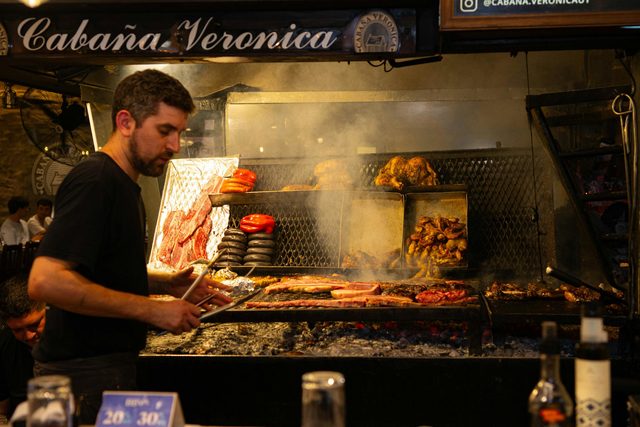
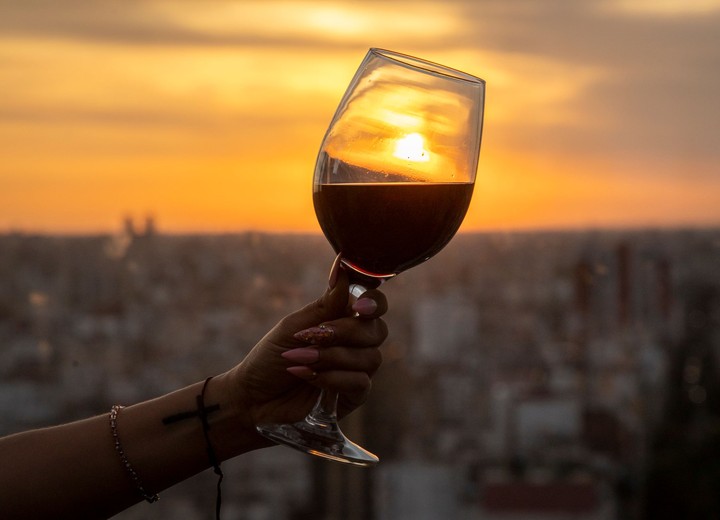
A closed-door milonga and an asado, both properly. Beyond the public tango houses we arrange a private milonga or a closed performance with professional dancers and live musicians, usually in a historic San Telmo or Recoleta setting, with a lesson beforehand if you want one. The asado is the other one: a parrillero cooking either at a private residence in town or at an estancia out in the pampas, with the Malbec chosen rather than poured. Both are arrangements, not tickets, which is the distinction that matters.
Why does the airport question matter more in Buenos Aires?
Because there are two and they are on opposite sides of the city. International flights land at Ezeiza, 45 minutes to an hour from the central neighbourhoods; almost all domestic flights use Aeroparque on the riverfront, 15 to 20 minutes from Recoleta and Palermo. A connection from an international arrival to a flight south is therefore a cross-city transfer in traffic, and the published connection times routinely do not allow for it. Private transfers at both ends are not a luxury here; they are what stops you missing the flight to Patagonia.
How should the city bracket the rest of Argentina?
Two or three nights on arrival and one before the international departure. Almost every domestic route runs through Buenos Aires, so the city is the hinge whether you plan it that way or not: Iguazú north, Bariloche or Patagonia south, Mendoza west for the wine. Putting the regions in the middle and keeping the last night in town also gives you a buffer — one that has saved a good number of our clients' international flights when a domestic leg went wrong.
Who will be disappointed by Buenos Aires?
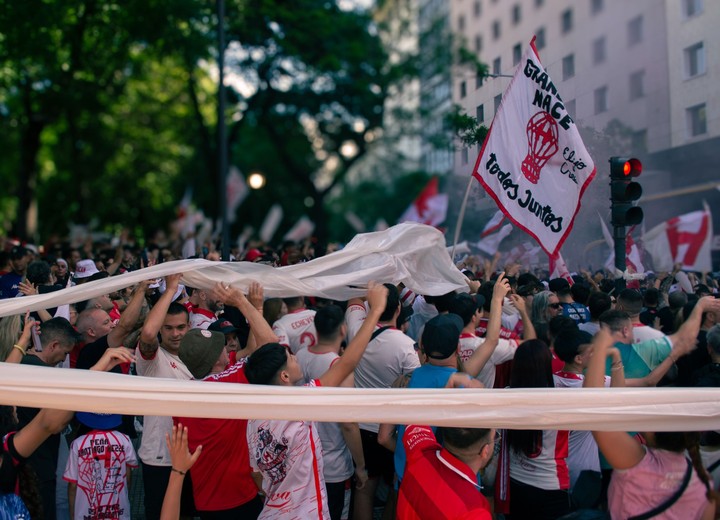
Anyone who came to South America for landscape. This is a city of restaurants, bookshops, theatres and cemeteries, and its pleasures are urban and slow; the drama is eight hundred miles south. Anyone arriving in January expecting the cultural season will find the Colón dark and half of Palermo shut. And anyone giving it one night should give it none and spend the night in the region instead — we would rather restructure the trip than sell a token stop in a city that rewards a fourth day.