Japan is one of the most rewarding destinations to explore, but planning a trip there can feel overwhelming at first. With so many cities, cultural experiences, and unique landscapes to choose from, deciding how to structure your itinerary can make a big difference in how you experience the country.
A well-designed itinerary balances Japan’s dynamic cities, historic sites, and quieter natural settings. Here are some key elements to consider when planning the perfect trip to Japan.
Start in Tokyo
Most trips to Japan begin in Tokyo, the country’s vibrant capital and one of the most exciting cities in the world. Tokyo offers an incredible mix of modern innovation, traditional culture, and world-class dining.
Visitors can explore neighborhoods like Shibuya and Shinjuku for their bright lights and lively energy, while areas such as Asakusa and Yanaka offer a glimpse into Tokyo’s historic past. Food lovers will also find some of the best restaurants in the world here, from small sushi counters to internationally acclaimed fine dining.
Spending a few days in Tokyo allows travelers to experience the city’s unique rhythm before continuing their journey through Japan.
Explore Kyoto’s Cultural Heritage
Kyoto offers a completely different atmosphere from Tokyo. Once the imperial capital of Japan, the city is known for its temples, shrines, and beautifully preserved historic districts.
Walking through the streets of Gion or visiting iconic landmarks such as Fushimi Inari Shrine and Kinkaku-ji provides a deeper understanding of Japan’s traditions. Kyoto is also one of the best places to experience a traditional tea ceremony or stay in a ryokan, where guests can enjoy exceptional hospitality and seasonal Japanese cuisine.
For many travelers, Kyoto becomes one of the most memorable parts of a trip to Japan.
Add a Scenic Escape
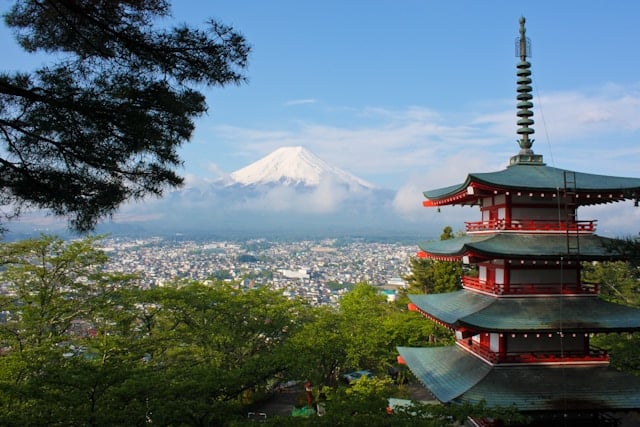
One of the best ways to balance the energy of Japan’s cities is by including a scenic destination in your itinerary. Locations like Hakone offer beautiful landscapes, hot spring baths, and views of Mount Fuji.
Staying in a ryokan with an onsen allows travelers to slow down and experience a quieter side of Japanese culture. Many ryokans also serve kaiseki dinners, multi-course meals that showcase seasonal ingredients and refined culinary techniques.
A stay in Hakone or a similar region provides a relaxing contrast to the country’s bustling cities.
Discover Japan’s Food Culture
Food is an essential part of traveling in Japan. Each region has its own specialties and traditions, making dining one of the highlights of the journey.
Tokyo is famous for sushi and ramen, while Kyoto offers elegant kaiseki cuisine and traditional tea houses. In Osaka, often referred to as Japan’s kitchen, visitors can experience a lively street food culture with dishes such as takoyaki and okonomiyaki.
Trying regional specialties and visiting local markets can make the experience of traveling through Japan even more memorable.
Travel Between Cities
One of the easiest and most enjoyable ways to move around Japan is by using the Shinkansen bullet train. The high-speed rail network connects major cities efficiently and comfortably, allowing travelers to move between destinations quickly while enjoying scenic views along the way.
Many visitors find that traveling by train becomes one of the highlights of their trip, as it provides a seamless way to explore different regions of the country.
Designing the Perfect Journey
A thoughtfully planned itinerary allows travelers to experience the many sides of Japan, from the vibrant streets of Tokyo to the tranquil temples of Kyoto and the peaceful landscapes beyond the cities.
By balancing culture, cuisine, nature, and relaxation, a trip through Japan can become one of the most memorable travel experiences in the world. Whether it’s your first visit or a return journey, Japan always offers something new to discover