Why choose Aruba over the rest of the arc?
Because of the calendar. Aruba sits at roughly 12°N, while Atlantic hurricanes generally track between about 20°N and 35°N, and the island has not taken a direct strike in decades — when a system does pass close, as Hurricane Ivan did about eighty miles to the north in 2004, the result is a few inches of rain and a brief 40 to 50 mph blow. That makes Aruba the island we recommend when a client's only available fortnight falls in September or October, months when St Martin or Punta Cana would need a contingency plan.
What has to be filed before you fly?
The ED card, and the fee attached to it. Every arriving traveller, infants included, must complete Aruba's Embarkation/Disembarkation card at the official government portal within seven days of travel, and a US$20 sustainability fee applies to air travellers aged eight and over, payable once per calendar year. Copycat sites charge more for the same thing; there is one official portal and your advisor uses it. It takes minutes and it stops the arrival hall becoming an hour.
What does US preclearance actually change?
The way home. Queen Beatrix International has US Customs and Border Protection preclearance, so you clear American immigration and customs in Aruba before boarding and land in the United States as a domestic passenger — no arrivals queue, no connection risk on a tight onward flight. The trade is a longer check-in on departure day, which we build into the schedule. Arrival transfers to Palm Beach or Malmok run about fifteen to twenty-five minutes.
Palm Beach or Malmok?
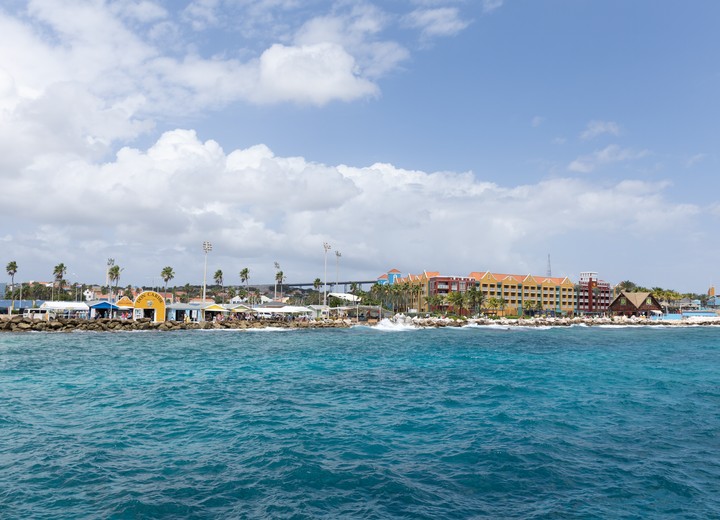
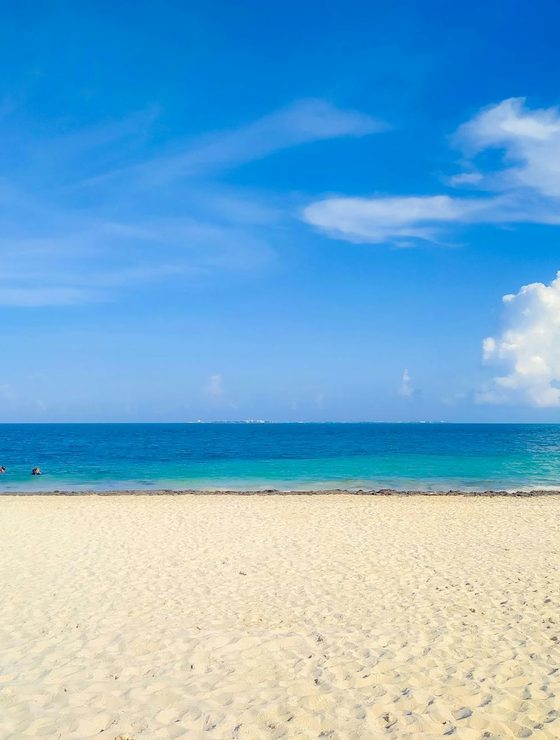
Palm Beach for full-service resorts, beach clubs and things for teenagers to do; Malmok and Arashi for a private villa beside the island's calmest swimming water and almost nothing else. Four to five nights is the usual length — beach, one chartered catamaran day down the leeward coast, and one day inland. Couples lean to the villas; families generally want the resort strip's amenities within walking distance.
What is the other half of the island?
Rougher than the brochure. Arikok National Park covers close to a fifth of Aruba, and the Natural Pool known as Conchi cannot be reached in a rental car — the access is four-wheel-drive, horseback, or a three to four hour walk each way, and the park does not make exceptions. The windward east coast is surf-battered and not for swimming. A guided 4x4 or UTV day is the comfortable way to see it, and the park gates close mid-afternoon, so it is a morning.
Who should not choose Aruba?
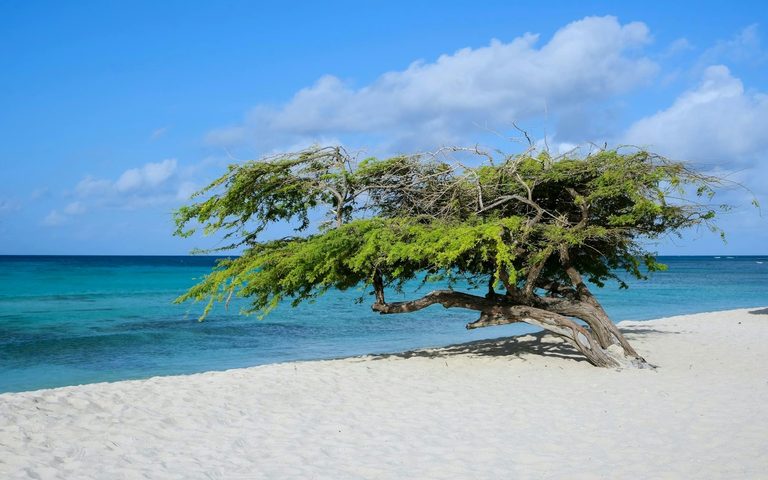
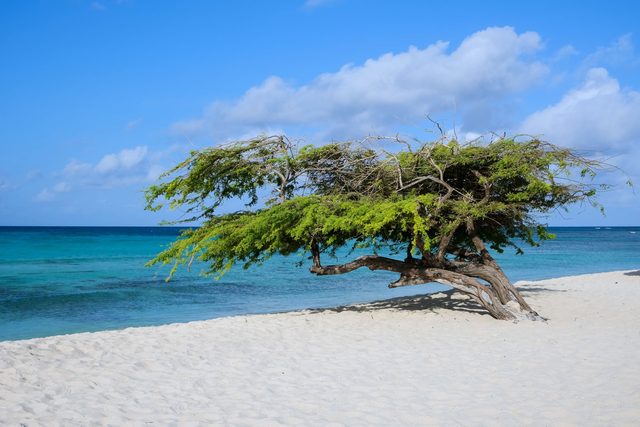
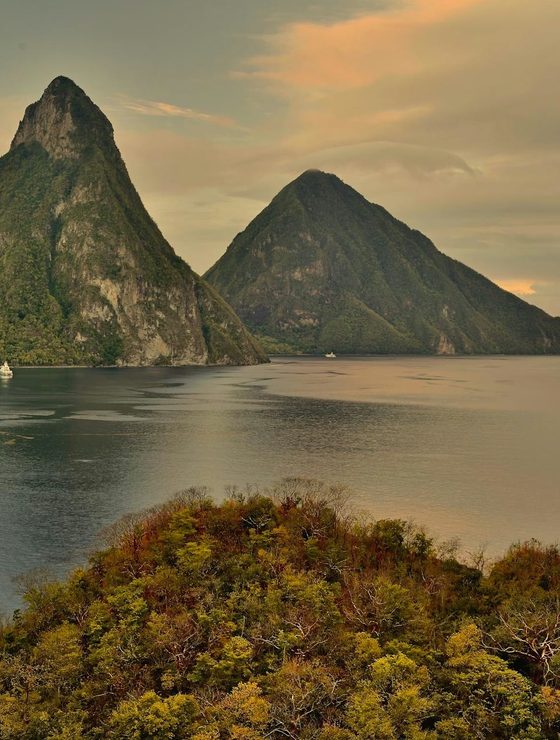
Anyone who wants lush, or empty. This is a dry island of cactus and wind-bent divi trees, the trade winds blow constantly, and the main beach is a high-rise strip rather than a hidden cove — if the picture in your head is a rainforest above a bay, that is St Lucia, and if it is an empty cay, that is Turks & Caicos. Aruba's argument is reliability: the sun turns up, the sea is flat, and the weather does not ask you to gamble.