01
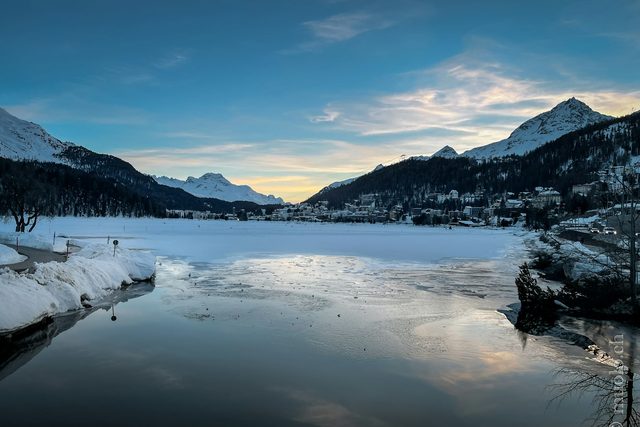
The Frozen Lake
Private access to the season's lake events — polo, racing, the long lunch on the ice — arranged, never queued.
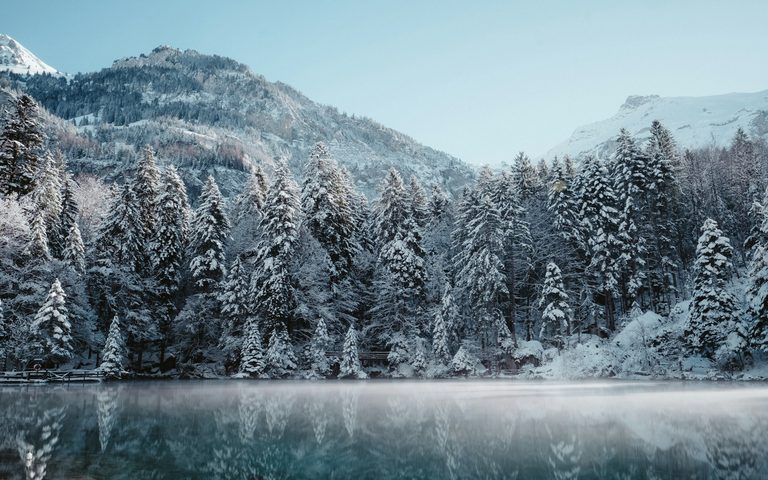
The original alpine resort — champagne light, frozen lakes, and a discretion money learned a century ago.
St. Moritz invented winter luxury. In the Engadine's high light we hold the suites and chalets that don't list, the frozen-lake events that aren't sold to the public, and the wellness that begins the moment the door closes behind you.
Access, not availability — the moments that define a private St. Moritz.
Private access to the season's lake events — polo, racing, the long lunch on the ice — arranged, never queued.
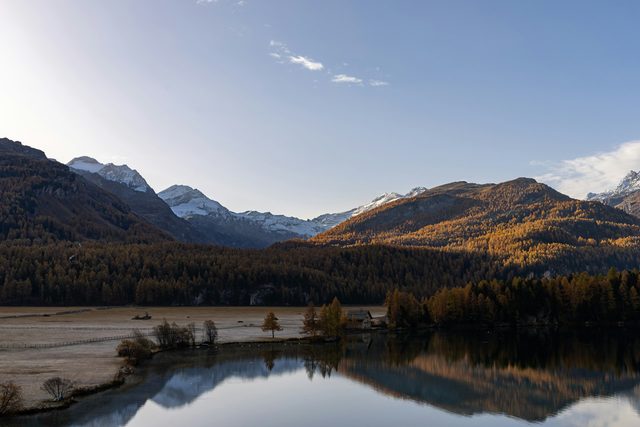
Three hundred days of sun a year, a private terrace above the valley, and the light the painters came for.
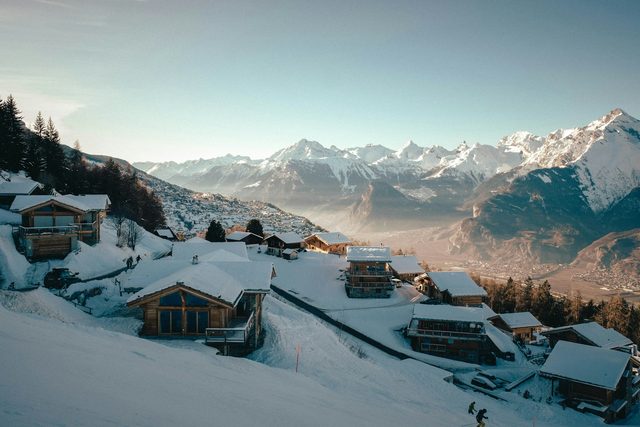
A discreet alpine wellness programme — mineral springs, private practitioners, stillness arranged before you arrive.
Not packages — points of departure. Find the journey that already feels like yours; your advisor reshapes it entirely around you.
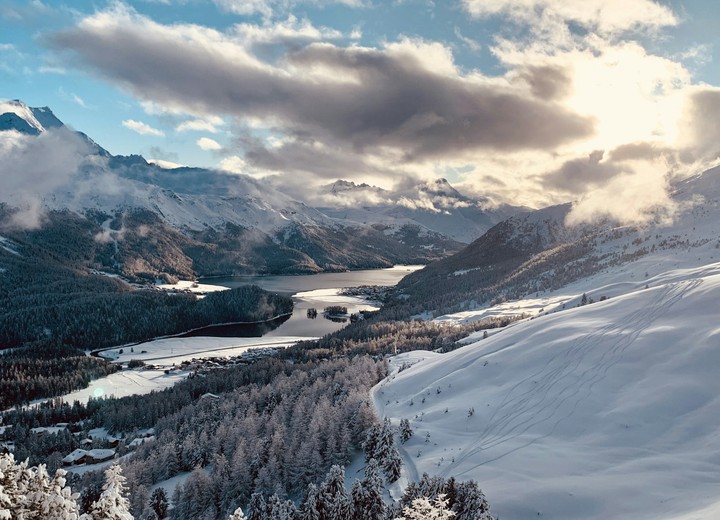
The historic suites, private slopes and the season's closed-door events — winter the way it was invented.
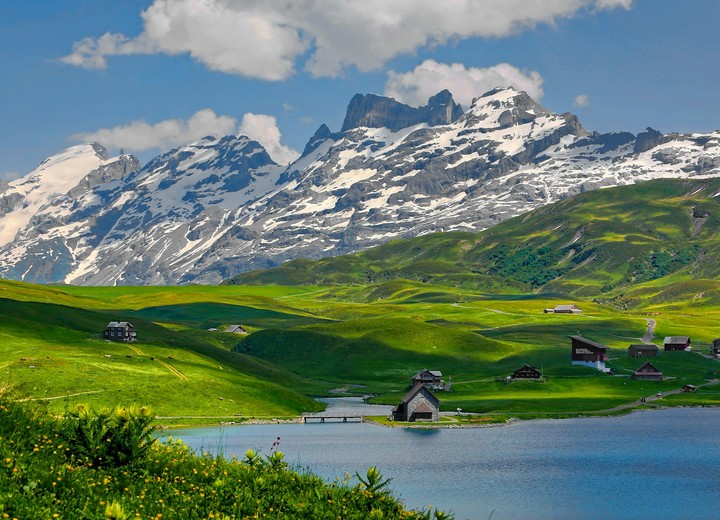
A private reset paced with mountain air, mineral waters and unhurried days.
Glacier lakes, guided trails and the Engadine's secret summer, away from every crowd.
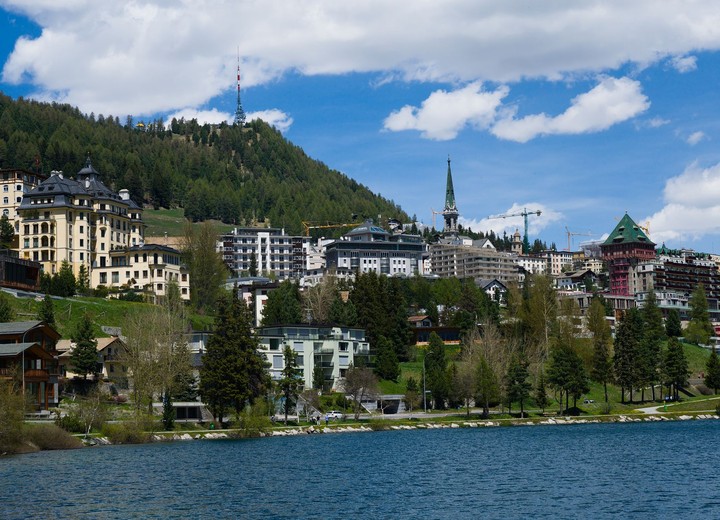
Private collections, alpine art and tables opened through relationships, not reservations.
Each a starting point — our advisors weave them into a single, seamless journey.
The Snow Polo World Cup in St. Moritz takes the last weekend in January: 22–24 January 2027 for its 42nd edition. It remains the only high-goal tournament played on snow, and 2026 ground admission was free on the Friday and CHF 20 on the Saturday and Sunday. White Turf occupies three Sundays in February, which in 2026 were the 8th, 15th and 22nd, with free family days on the Saturdays before. Suites for those weekends move a year ahead.
Lake St. Moritz cannot be counted on absolutely, and that is worth knowing before the flights are booked. The racecourse, the polo field and the tented hospitality are all built on ice, and organisers confirm the surface close to the date. White Turf has run since 1907 and the operation is expert, but a warm January is a warm January. Forest Travel holds a second reason to be in the Engadine on the same dates, so the trip never depends on one weekend's ice.
The autumn block on Corvatsch and Diavolezza, 17 October to 15 November 2026, is early-season glacier skiing at altitude, not St. Moritz at full strength. Both areas then close, and the four weeks between blocks are dead; from mid-November to mid-December very little is open. They run again from 19 December 2026 to 2 May 2027, while Lagalb runs only 19 December 2026 to 4 April 2027. The main season is mid-December to early May.
Arriving in St. Moritz by train is worth it if the schedule can spare a day. St. Moritz is the eastern terminus of the Glacier Express, roughly 300 km and about eight hours from Zermatt; Excellence Class carried a CHF 540 seat reservation for 2026 above a first-class ticket of about CHF 272, released a year ahead and sold out at once. The Bernina Express runs from Chur to Tirano, 122 km in about 4 hours 20 across 196 bridges and 55 tunnels.
In the Engadine, the high ground opens late: routes above 2,500 m open from late June to mid-July, while Corvatsch and Diavolezza both run in summer. The Bernina pass stays open year-round, but Furka, Grimsel and Nufenen are seasonal roads that only reopened on 29 May in 2026. Summer here runs June to September with the lakes, passes and walking, and July and August are the reliable weeks.
The best time to visit St. Moritz is the main winter season, mid-December to early May, when the Engadine's high, dry February light draws people back. The lake weekends define it: the Snow Polo World Cup on the last weekend in January and White Turf on three Sundays in February. For a quieter trip, summer runs June to September, with July and August the reliable weeks. Avoid mid-November to mid-December, when very little is open.
Most St. Moritz journeys run three to eight days, depending on the purpose. The Grand Winter, with historic suites, private slopes and the season's closed-door events, is 5–7 days; Engadine Wellness, a private reset with mountain air and mineral waters, is 6–8 days; Summer in the High Valley is 5–6 days; and The Connoisseur's Engadine, built around private collections and alpine art, is 3–5 days. Your advisor reshapes any of them entirely around you.
Yes. Forest Travel treats every St. Moritz journey as a point of departure, not a package, and your advisor reshapes it entirely around you. That includes suites and chalets that don't list, private access to the frozen-lake events such as polo, racing and the long lunch on the ice, a discreet alpine wellness programme with private practitioners, and tables opened through relationships rather than reservations. A second reason to be in the Engadine is held in case the lake ice fails.
A private St. Moritz stay with Forest Travel is planned from around US$2,200 per person per night, before international flights, and suites for the lake weekends of January and February move a year ahead. Arriving on the Glacier Express from Zermatt adds a CHF 540 Excellence Class seat reservation for 2026 above a first-class ticket of about CHF 272. Private access to the frozen-lake events and wellness programmes are priced separately. The planning fee is US$250 per itinerary.
In winter, St. Moritz is the frozen lake and the slopes: the Snow Polo World Cup on the last weekend in January, White Turf racing on three Sundays in February, and skiing on Corvatsch and Diavolezza in the main season from mid-December to early May. In summer, June to September, it is the Engadine lakes, high trails and mountain passes. Arriving on the Glacier Express, about eight hours from Zermatt, is part of the trip.
Every journey here is a starting point a private advisor reshapes entirely around you — your pace, your people, the St. Moritz only you would recognise.
A real person answers: an in-house luxury travel advisor, in English or Spanish. The first conversation is complimentary.