Why is 2026 an unusual year to see Gaudí?
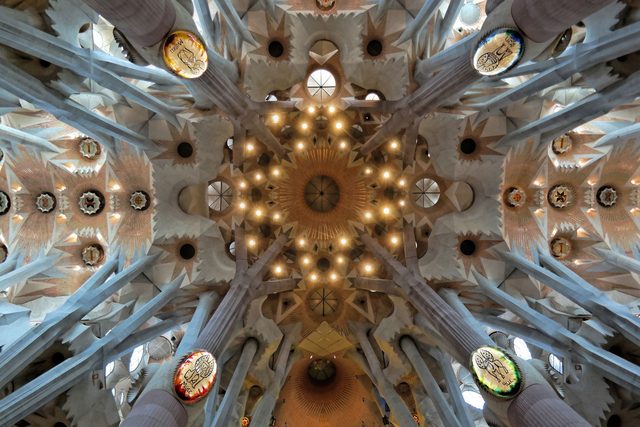
Because the Sagrada Família finally has its central tower. The Tower of Jesus Christ was blessed and inaugurated on 10 June 2026, the centenary of Gaudí's death, in a mass presided over by Pope Leo XIV; at 172.5 metres (566 feet) the basilica is now the tallest church in the world. Be clear about one thing, though: the viewpoint inside the cross was not yet on public sale at the time of writing. Tower tickets still cover the Nativity and Passion façades.
Can Gaudí be seen without standing in a queue?
Yes, but by timing rather than by privilege. The Sagrada Família and Park Güell are public, capacity-controlled sites: timed entry from around €26 at the basilica (€46 with tower access), €18 at Park Güell, with slots typically released about sixty days out and a thirty-minute grace on arrival. Miss the slot and you forfeit it. We buy the earliest slot of the day and build everything else around it, which is a different thing from being let in alone.
What does a night in Barcelona now cost in tax?
More than anywhere else in Spain. The municipal surcharge rose from €4 to €5 on 1 April 2026 and is contracted to climb €1 a year to €8 in 2029; on top sits the Catalan regional tariff — €7 for a five-star, €4.50 for a tourist apartment. A five-star night is therefore taxed at roughly €12 per person, heading toward €15 by 2029. It is not a large sum against the room, but it should not arrive as a surprise on checkout.
Which months, and why not August?
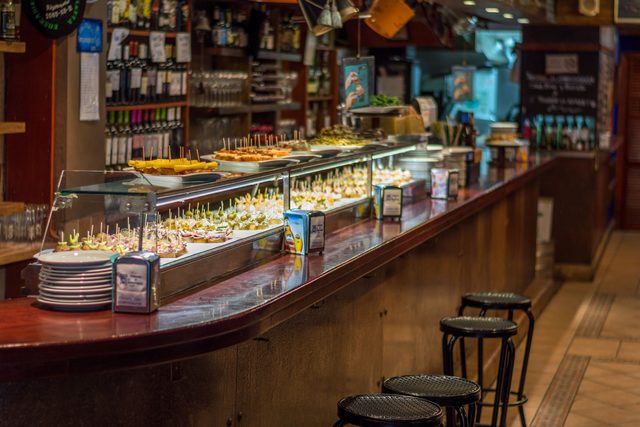
Late May to June and September to early October. August is humid rather than merely hot, many family-run kitchens close for the month, and the leading restaurants that stay open are booked weeks ahead. September brings La Mercè and the reopening of the Liceu and Palau de la Música seasons — the strongest single week of the Barcelona year for anyone who came for more than architecture.
Where do you stay now that the apartments are going?
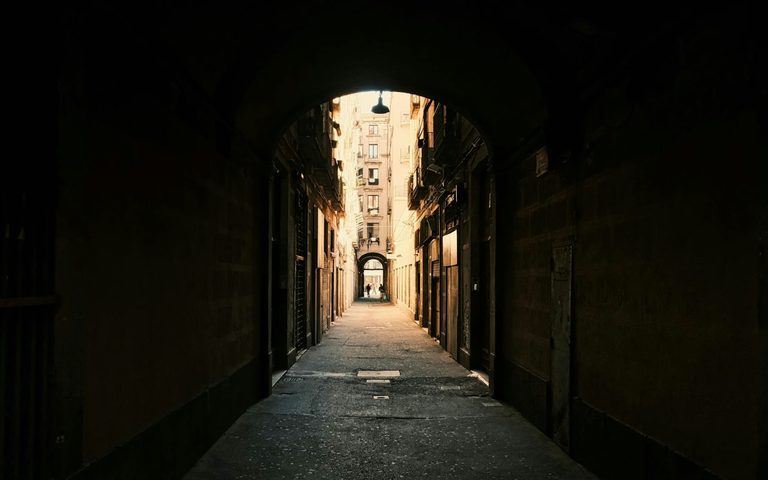
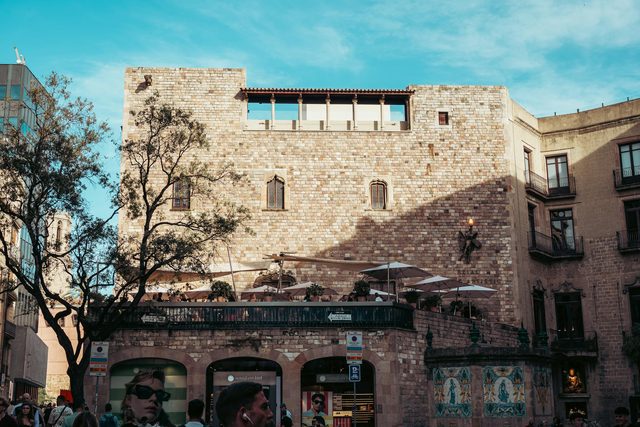
In hotels, aparthotels and whole-building residences. Barcelona has confirmed it will not renew its 10,101 tourist-flat licences when the current framework expires on 24 November 2028, and supply has already tightened. The Eixample around Passeig de Gràcia gives you the grandest houses and the Modernista landmarks on foot; the Gothic Quarter and El Born give atmosphere; the hillside near Tibidabo gives quiet. Three or four nights is right before you move on.
Who is Barcelona wrong for?
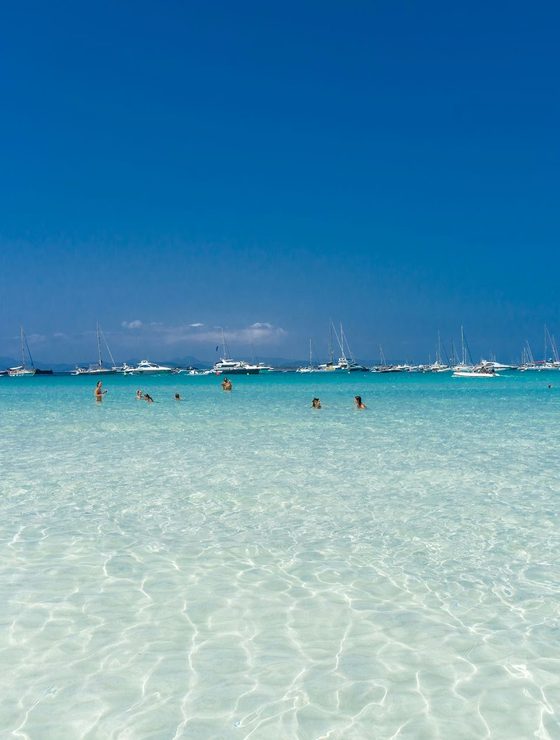
Anyone who wants a calm city or a beach-led week. It is dense, loud and heavily visited, and its own beaches are urban. The honest answer is to use it as a gateway: three nights here, then Mallorca or Ibiza by short flight or private yacht, or the Priorat and Costa Brava inland and north. See Spain for the wider route and the Balearic yacht journey for the sea leg.