A guided day in Corcovado National Park
Walk rainforest trails with a private naturalist guide who reads the canopy for monkeys, scarlet macaws and, with luck, a Baird's tapir. Your advisor arranges the park permit, the guide and the transfer.

Costa Rica's wildest corner, reached by small plane or boat and explored with a private naturalist guide.
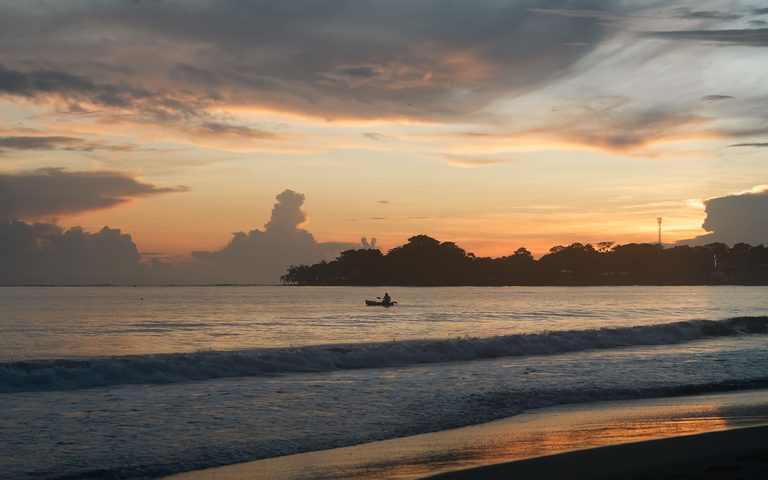
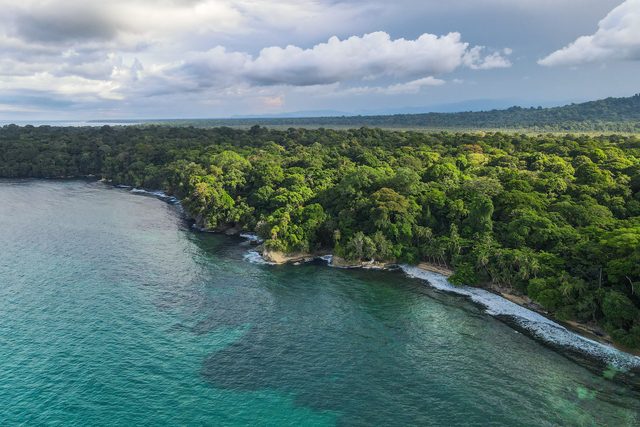
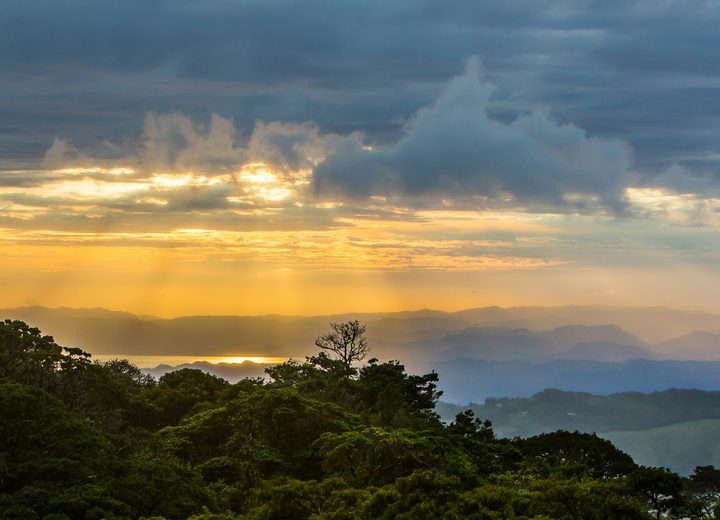
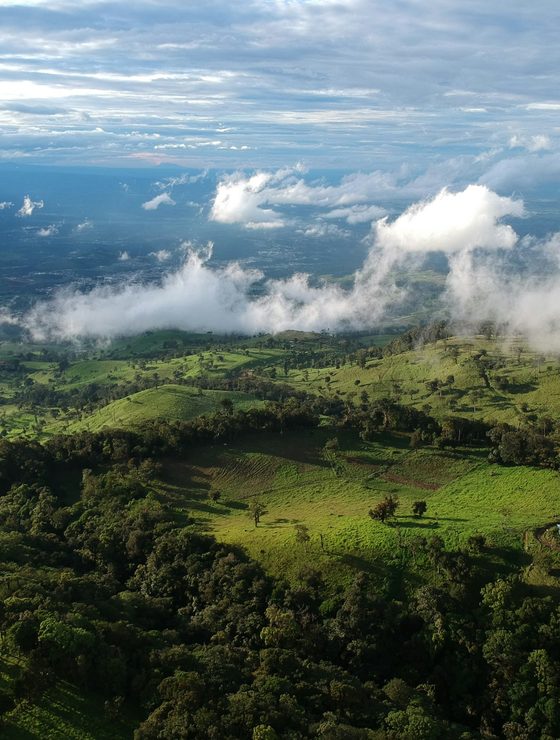
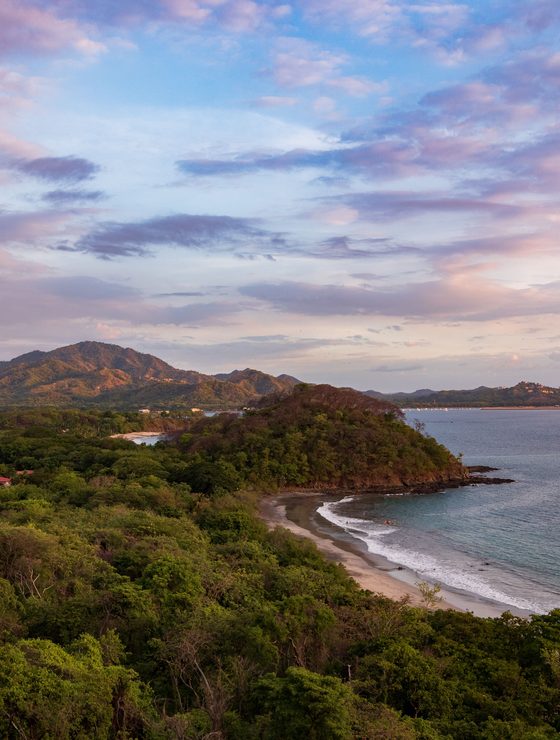
The Osa Peninsula sits at the far south Pacific edge of Costa Rica, where rainforest meets the sea and Corcovado National Park shelters tapirs, macaws and monkeys. Getting here takes effort, which is precisely why it feels untouched.
Three moments an advisor can arrange here, each led by a private naturalist guide.

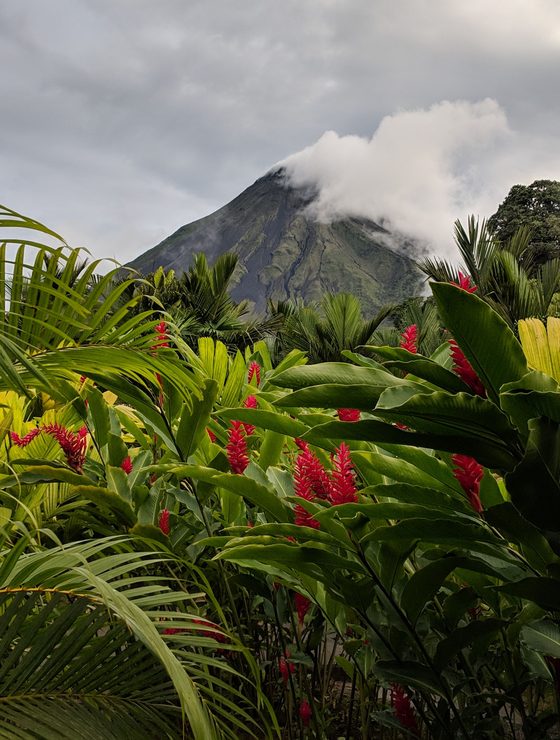
Walk rainforest trails with a private naturalist guide who reads the canopy for monkeys, scarlet macaws and, with luck, a Baird's tapir. Your advisor arranges the park permit, the guide and the transfer.

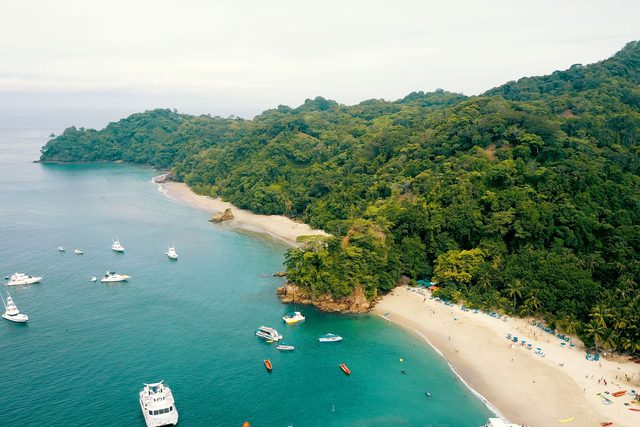
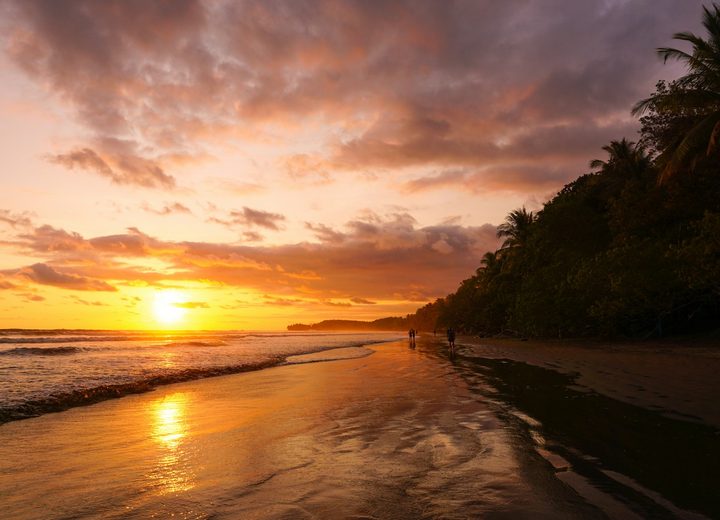
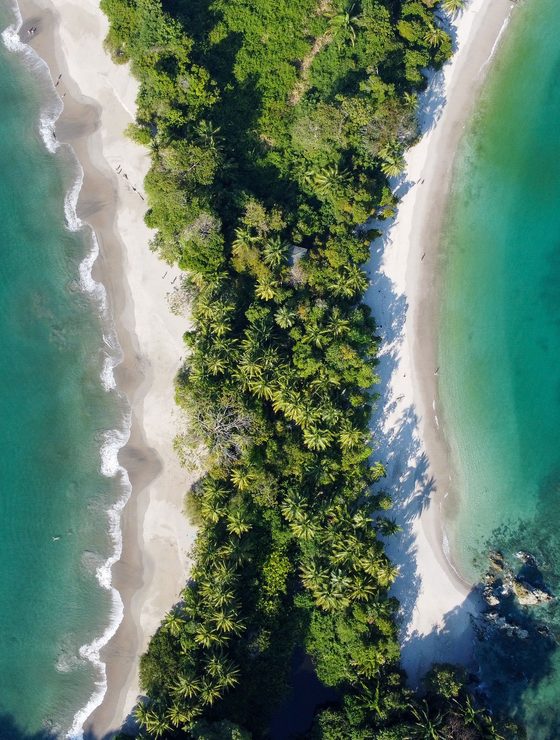
Leave the coast by boat at an unhurried hour, watching for dolphins and, in season, humpback whales, then land on a quiet beach for a picnic. Timing and routes depend on tides and conditions.

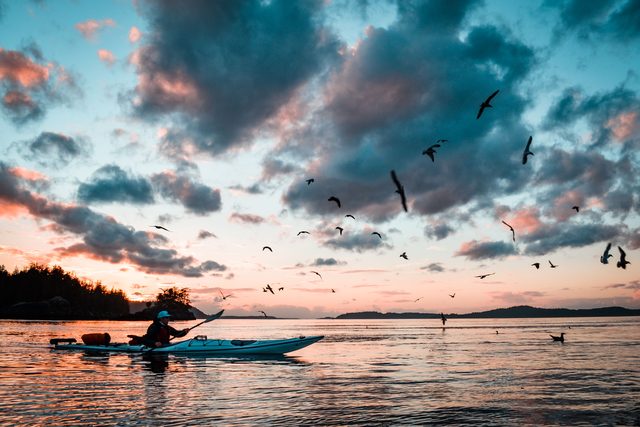
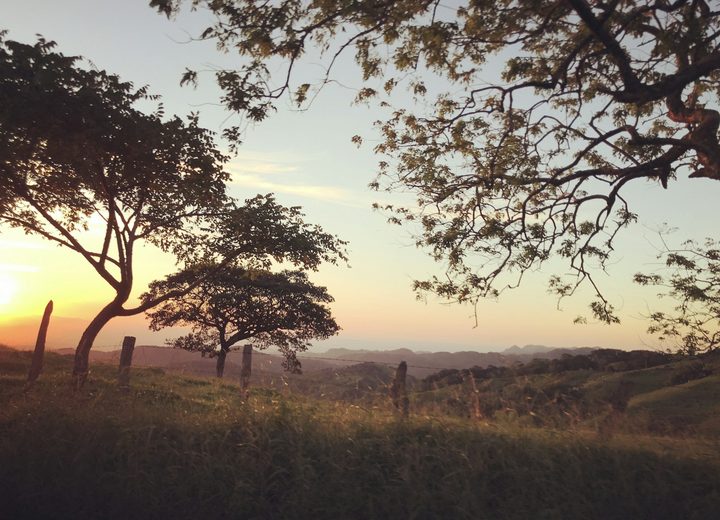
Paddle the calm waters of Golfo Dulce as the light drops, with a guide who points out herons, shorebirds and the forest edge. Your advisor can pair it with a night walk.
Not a package — a starting point. Each is a journey we have designed and refined; your advisor reshapes it for the version only you would recognise.
Each a starting point — our advisors weave them into a single, seamless journey.
A private naturalist guide is the most reliable way to see wildlife in Costa Rica, because guides spot animals you would walk past. Corcovado and the Osa Peninsula are among the strongest areas, with scarlet macaws, monkeys, sloths and sometimes Baird's tapirs. Sightings are never guaranteed, so early starts and patience matter.
You can typically see scarlet macaws, several monkey species, sloths, coatis, peccaries and a wide range of birds. Baird's tapirs live in Corcovado and are seen occasionally. Jaguars and pumas are present but rarely seen. Humpback whales pass offshore in two seasons, roughly December to April and July to October.
Most travelers reach Corcovado from the gateways of Drake Bay or Puerto Jiménez. Typical routes combine a small domestic flight from San José with a boat or road transfer, then a guided entry. Your advisor arranges the transfers, permit and guide so the logistics are handled in the right order.
Four nights is a sensible minimum, since travel into the south takes a good part of a day each way. Five or six nights allow two park days, a boat outing and time to rest. Shorter stays work if flown in, but they leave little buffer for weather.
Roughly December to April is the drier window and the most predictable for trails and boats. May to November is green season, with fewer visitors and afternoon rain, and September and October are often the wettest. The south has no fully dry month, so pack for rain whenever you go.
Costa Rica is welcoming, and most issues are everyday ones: strong ocean currents, sun and humidity, slippery trails and petty theft in busy areas. In the forest, follow your guide on wildlife and snakes. Check your government's current travel advice, and your advisor briefs you before departure.
Luxury in Costa Rica usually means small lodges and private villas, a private naturalist guide, and unhurried transfers rather than large resorts. On the Osa Peninsula that translates to remote rainforest stays and boat access. Stays typically start from around US$1,000 per person per night.
Yes, if wildlife and remoteness are the point. Osa is one of Costa Rica's most biodiverse and least developed areas, reached by small plane or boat, with guided days in Corcovado National Park. It is not the right choice for a beach-only trip. Your advisor confirms the current park rules and access for your dates.
Every journey here is a starting point a private advisor reshapes entirely around you — your pace, your people, the Osa Peninsula & Corcovado only you would recognise.
A real person answers: an in-house luxury travel advisor, in English or Spanish. The first conversation is complimentary.