How many nights do you need in Manuel Antonio and the Central Pacific?
Plan three or four nights for the Central Pacific on its own, and add them to a wider route rather than treating the coast as a trip in itself. Three nights covers Manuel Antonio and one day of whales or beaches around Uvita. A fourth lets you slow down. It pairs naturally with the Osa Peninsula further south, which needs its own longer stay, or with the Arenal volcano to the north. Your advisor can usually shape the order so the flights and road transfers stay short. Pricing starts from around US$1,000 per person per night.
What is the best month to visit the Central Pacific?
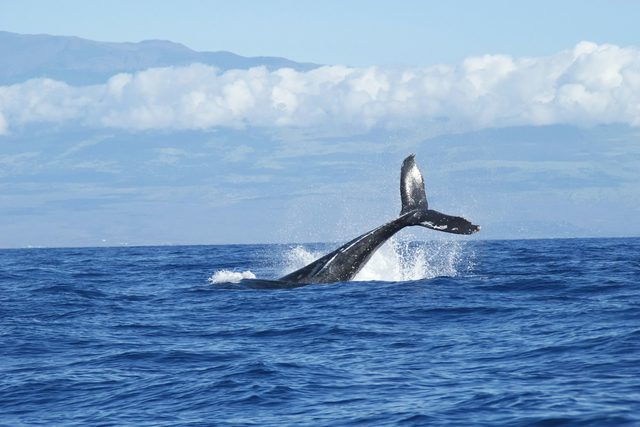
December to April is the most reliable window, with the driest weather on the Pacific side and the first whale season. July to October brings the second humpback season, though September and October are often the wettest months on this coast. The green season, May to November, means fewer visitors, lush forest and usually bright mornings with rain later in the day. Choose by priority: dry beaches and long days point to the early year, while whales and quiet trails also work well in the green months.
What does a private day on this coast look like?
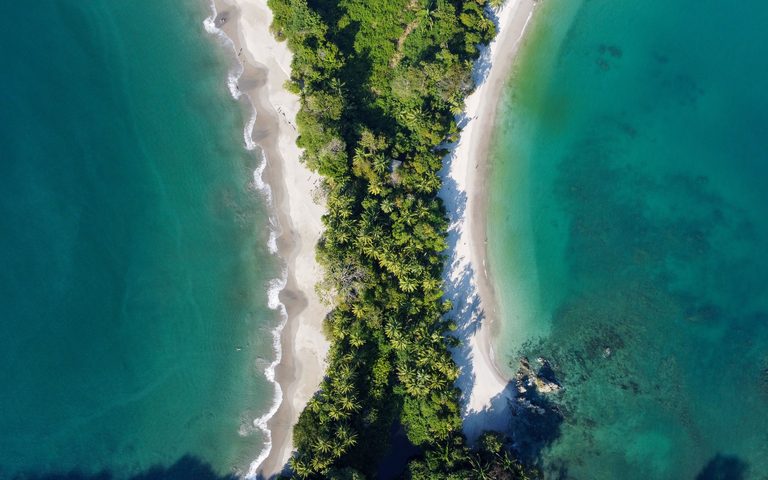
A private day usually starts early, when the forest is most active. Morning belongs to a naturalist guide at Manuel Antonio, looking for sloths, monkeys and birds. Midday is unhurried, at a beach or by the pool, with lunch arranged for you. In whale season, the afternoon moves south to Uvita for a private boat in Marino Ballena. Each day is paced around one main activity, not three, and your advisor arranges the guide, the driver and the timing in advance.
What should you book first?
Book the whale boat and the Manuel Antonio guide first, because these depend on season and tides and fill earliest. Then secure your stay, ideally small and close to the forest or the water, and choose how you will arrive. Most travelers land in San José and continue by road, and your advisor can price a short domestic flight or a private driver as alternatives. Add a day of buffer around the coast, so a rain delay or a tide change never costs you the highlight.