Is Saudi Arabia Worth Visiting for Luxury Travel? AlUla, Hegra and the Red Sea
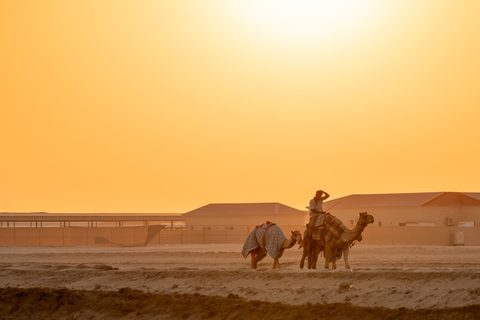
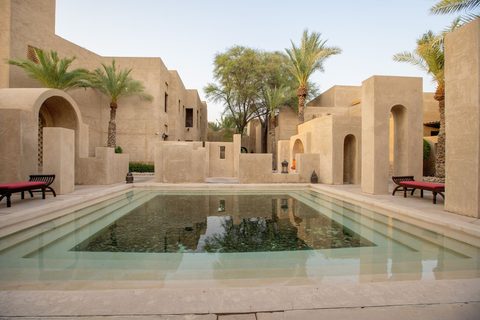
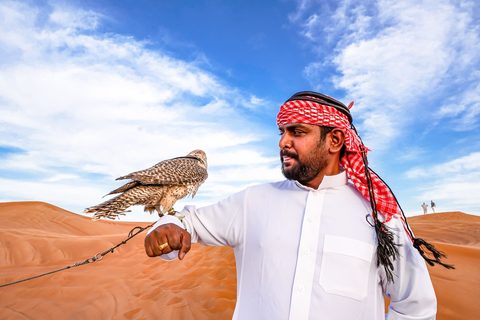
Saudi Arabia is one of the newer luxury destinations: Nabataean tombs at Hegra, the sandstone valleys of AlUla, a Red Sea coast of islands and reefs, and the mud-brick capital of Diriyah. What it offers, when to go and how to travel it privately.
- Hegra, in AlUla, became Saudi Arabia's first UNESCO World Heritage site in 2008; Diriyah's At-Turaif District followed in 2010.
- The season for AlUla and the desert runs from October to March; summer is extremely hot.
- Seven to ten days covers Riyadh and Diriyah, AlUla and the Red Sea coast.
- Skift Research's State of Travel 2026 finds travel extremely or very important to 89% of travelers in Saudi Arabia.
- A luxury stay starts from around US$1,000 per person per night; the planning fee is US$250 per itinerary.
The short answer
Yes, Saudi Arabia is worth visiting for luxury travel, especially between October and March. AlUla holds Hegra, the country's first UNESCO World Heritage site, set among sandstone canyons and an ancient oasis; the Red Sea coast is opening as a destination of islands, reefs and desert with no crowds; and Diriyah, on the edge of Riyadh, preserves the mud-brick capital of the first Saudi state. Seven to ten days, privately guided, covers all three. It suits travelers who have already seen Dubai, Jordan or Egypt and want the region's next chapter while it is still quiet.
AlUla and Hegra
AlUla, in the northwest of the country, is a desert valley of sandstone outcrops, palm groves and an old mud-brick town. Its centrepiece is Hegra, known also as Al-Hijr or Mada'in Salih, inscribed in 2008 as Saudi Arabia's first World Heritage site. UNESCO describes it as the largest conserved site of the Nabataean civilization south of Petra, with more than a hundred monumental tombs carved into the rock, many with decorated facades, and the wells the Nabataeans cut to sustain the settlement.
Hegra is visited on timed, guided tours booked through the official Experience AlUla platform, which is why advance planning matters. Your advisor secures the slots that suit the light, early morning or late afternoon, and arranges a private vehicle and guide. Around it, AlUla offers the Old Town, the rock formation known as Elephant Rock, the ancient site of Dadan, hot-air balloon flights over the valleys and desert dinners under a very dark sky.
A well-paced day in AlUla starts with Hegra in the early light, keeps the middle hours for the pool or a long lunch in the oasis, and returns to the canyons for sunset, followed by dinner among the rocks. Within the country, AlUla has its own airport with domestic flights from Riyadh and Jeddah, and private aviation links AlUla, Riyadh and the Red Sea coast in a single journey without long drives.
The Red Sea coast
On the west coast, a new destination known as The Red Sea is being developed across an area of around 28,000 square kilometers, with more than 90 islands, coral reefs, dunes and volcanic landscape. It opens in phases: the first resorts welcomed guests in 2023, and the full project is targeted for 2030. Guests arrive at Red Sea International Airport and reach the islands by boat or seaplane. The appeal is the sense of an untouched coast, with diving and snorkeling on reefs that see very few visitors, and villas set over the water or on empty beaches.
If you know Egypt's side of the sea, our guide to the Nile and the Red Sea shows the contrast: Egypt pairs the water with five thousand years of temples; Saudi Arabia pairs it with desert solitude and a new kind of island stay.
Riyadh and Diriyah
Most journeys begin or end in Riyadh. On its northwestern edge, the At-Turaif District in ad-Dir'iyah was inscribed on the World Heritage List in 2010. UNESCO describes it as the first capital of the Saudi dynasty and an example of Najdi architecture, built in adobe to cope with the desert climate of central Arabia. Walked at sunset with a private historian, and followed by dinner nearby, it is a fitting introduction to the country's story before heading to AlUla or the coast.
When to go and how long to stay
The season runs from October to March, when days in AlUla are warm and nights in the desert are cool. December to February is the most comfortable window and the most requested, so Hegra slots and the best desert stays should be secured early. From June to August, temperatures inland are extreme and much of AlUla's program pauses.
- Four or five days: AlUla and Hegra, with a night or two in Riyadh for Diriyah.
- Seven to ten days: Riyadh and Diriyah, three or four nights in AlUla, then the Red Sea coast.
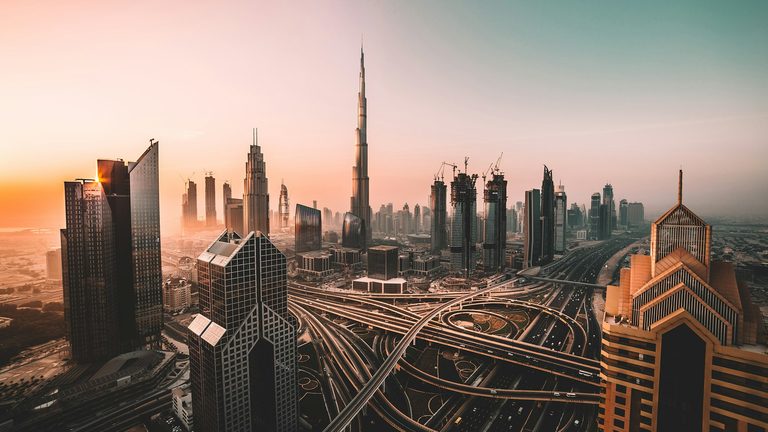
- As an extension: AlUla adds three nights to a stay in the United Arab Emirates or Egypt.
Entry, dress and etiquette
Saudi Arabia offers a tourist eVisa that many nationalities, including US citizens, can apply for online; rules change, so confirm current entry rules with your advisor before you book. On dress, Visit Saudi, the official tourism site, asks all visitors to dress modestly in public: loose clothing that covers the shoulders and legs, with men avoiding shorts above the knee. Women visitors are not required to wear an abaya or cover their hair, except at mosques and religious sites, where all visitors wear long trousers or skirts and women cover their hair. A light scarf in your bag solves most situations.
Pairing Saudi Arabia, and what it starts from
Saudi Arabia combines naturally with the region. Many clients add AlUla to a stay in Dubai and Abu Dhabi; our luxury Dubai and UAE travel guide and our page on Abu Dhabi show how. Others pair it with Egypt, where the prime season is the same; see our best time to visit Egypt and our Egypt guide.
Skift Research's State of Travel 2026 notes that travel's centre of gravity is moving east and south, and finds travel extremely or very important to 89% of travelers in Saudi Arabia. As an indicative guide, a luxury stay in Saudi Arabia starts from around US$1,000 per person per night, rising with private guiding, desert camps, island villas and private aviation. Forest Travel's planning fee is US$250 per itinerary. To plan AlUla and the Red Sea around your dates, speak with an advisor.
Questions, answered.
Yes, Saudi Arabia is worth visiting for luxury travel, especially between October and March. AlUla holds Hegra, the country's first UNESCO World Heritage site, among sandstone canyons; the Red Sea coast is opening as a destination of islands and reefs with very few visitors; and Diriyah preserves the first Saudi capital. Seven to ten days, privately guided, covers all three at an unhurried pace.
The best time to visit AlUla is from October to March, when days are warm and desert nights are cool. December to February is the most comfortable and most requested window, so Hegra tour slots and desert stays should be booked early. From June to August, temperatures are extreme and much of AlUla's program pauses, so summer is not recommended for a luxury trip.
Yes, Hegra is a UNESCO World Heritage site, inscribed in 2008 as Saudi Arabia's first. Also known as Al-Hijr or Mada'in Salih, it is in AlUla and is described by UNESCO as the largest conserved Nabataean site south of Petra, with more than a hundred monumental tombs carved into sandstone. Visits are by timed guided tour, booked through the official Experience AlUla platform.
Three or four nights is the right length for AlUla. That allows a guided visit to Hegra at the best light, the Old Town, Elephant Rock and the ancient site of Dadan, plus a balloon flight or a desert dinner. With Riyadh and Diriyah before and the Red Sea coast after, a full Saudi Arabia journey runs seven to ten days.
The Red Sea destination is a new resort area on Saudi Arabia's west coast, spread over around 28,000 square kilometers with more than 90 islands, coral reefs, dunes and volcanic landscape. It opens in phases, with the first resorts welcoming guests in 2023 and completion targeted for 2030. Guests fly into Red Sea International Airport and reach the islands by boat or seaplane.
Tourists in Saudi Arabia should dress modestly in public, with loose clothing that covers the shoulders and legs; men should avoid shorts above the knee. According to Visit Saudi, women visitors are not required to wear an abaya or cover their hair. At mosques and religious sites, all visitors wear long trousers or skirts and women cover their hair, so a light scarf is useful.
Yes, US citizens need a visa, and they are among the nationalities that can apply online for Saudi Arabia's tourist eVisa. Eligibility, validity and conditions change, so confirm current entry rules with your advisor before you book flights or Hegra tours. Your advisor will review the requirements for every traveler in your party, including passport validity, as part of planning the journey.
A luxury stay in Saudi Arabia starts from around US$1,000 per person per night, as an indicative guide. The figure rises with private guiding at Hegra, desert camps in AlUla, island villas on the Red Sea and private aviation between regions. Forest Travel's planning fee is US$250 per itinerary, and your advisor shares a from-price before any booking is made.
United Arab Emirates
See the collection →Tell a private advisor how you like to travel — no quotes, no obligation.
Speak With a Luxury Travel AdvisorA real person answers: an in-house luxury travel advisor, in English or Spanish. The first conversation is complimentary.