Rituals and Superstitions: The Hidden Traditions of World Cup Players
From the boot that must be laced first to the seat no one else may take — the private rituals of football's greatest. And with the 2026 World Cup now behind us across North America, how the moments that mattered were secured: the knockout rounds, and the final.
- At elite level, superstition is near-universal — players guard pre-match rituals (boot order, fixed seats, lucky numbers) as carefully as their fitness.
- The 2026 FIFA World Cup ran 11 June–19 July 2026 across 16 cities in the USA, Mexico and Canada — the first 48-team, 104-match tournament.
- The final was played on 19 July 2026 at MetLife Stadium in the New York/New Jersey area; the tournament opened at Mexico City's Estadio Azteca.
- World Cup luxury access — private suites, hospitality and the finest hotels in each host city — is never sold publicly; it's secured through relationships.
- Indicatively, a luxury World Cup experience started from around US$5,000 per guest for premium hospitality, rising sharply for the final and private suites.
- Once the group stage was underway, the knockout rounds and the final were where access was most coveted — Miami, New York/New Jersey and Los Angeles led for HNWI travelers.
The hidden rituals of football's greatest
At the elite level, superstition is almost universal. Ask any squad and the same quiet rituals repeat before every match: the right boot laced before the left, a fixed seat on the team bus that no one else may take, a lucky shirt number carried across an entire career, a precise order for walking onto the pitch. Some players insist on being the last out of the tunnel; others touch the grass, or the goalposts, before kick-off. The details are personal and closely guarded — but the instinct is shared.
These are not eccentricities so much as anchors. In a tournament where a single moment decides a nation's summer, the ritual is a way of holding the nerves still.
Why footballers are so superstitious
Psychologists describe it as the search for control in the uncontrollable. A World Cup knockout match turns on inches and milliseconds; the ritual gives a player something certain to hold onto when everything else is chance. Repetition narrows the focus, calms the body and signals to the mind that it is time to perform. The greatest players are often the most ritualistic — not in spite of their talent, but as part of how they protect it.
The 2026 World Cup: the tournament, the cities, the final
The 2026 FIFA World Cup was the largest in history — the first with 48 teams and 104 matches, played across 16 host cities in the United States, Mexico and Canada from 11 June to 19 July 2026. The tournament opened at Mexico City's Estadio Azteca and culminated in the final on 19 July at MetLife Stadium, in the New York/New Jersey area. For the first time the world's greatest sporting event was spread across three countries and a continent of great cities — Miami, New York, Los Angeles, Dallas, Mexico City, Toronto and more.
Experiencing a World Cup in luxury
The access that matters at a World Cup is never sold publicly. Private hospitality suites, premium and field-level seating, the finest luxury hotels in each host city, and seamless private transfers — and, for those moving between matches and cities, private aviation — are arranged through relationships, not ticket portals. We design the whole journey around the matches you care about: the table after the final whistle, the suite overlooking the halfway line, the city explored privately between fixtures.
As an indicative guide, a luxury World Cup experience typically starts from around US$5,000 per guest for premium hospitality, rising sharply for the knockout rounds, private suites and the final. We share a starting range candidly and never quote a final, all-in price until the experience is designed around you.
Where the best-prepared travelers are focusing now
During the tournament, attention turned to the knockout rounds and the 19 July final. Miami, the New York/New Jersey area and Los Angeles were the marquee host cities for our clients — each with the finest luxury hotels and the private access that turns a match into a journey. The best suites, hotels and seats for the final were secured months ahead, through relationships.
The tournament has finished, but the way in has not changed: access to the world's marquee sporting and cultural events is arranged the same way, months ahead and through relationships. See signature event journeys or how access to the marquee events is secured.
Questions, answered.
Many follow fixed pre-match rituals — lacing the right boot first, keeping a lucky shirt number for a whole career, sitting in the same seat on the team bus, being last out of the tunnel, or touching the pitch before kick-off. The specifics are personal, but the habit of ritual is nearly universal at the top.
Psychologists see it as seeking control in an uncontrollable moment. A knockout match turns on inches; a ritual gives a player something certain to hold, narrows focus and calms the nerves. The greatest players are often the most ritualistic — it's part of how they protect their performance.
From 11 June to 19 July 2026, across 16 host cities in the United States, Mexico and Canada — the first 48-team, 104-match World Cup. Host cities included Miami, New York/New Jersey, Los Angeles, Dallas, Mexico City and Toronto.
The final was played on 19 July 2026 at MetLife Stadium in the New York/New Jersey area. The tournament opened at Mexico City's Estadio Azteca on 11 June.
Through private hospitality and premium suites, the finest luxury hotels in each host city, and seamless private transfers — arranged through relationships, not public portals. We design the trip around the matches you care about, including the knockout rounds and the final.
As an indicative guide, premium hospitality typically starts from around US$5,000 per guest, rising sharply for the knockout rounds, private suites and the final. We share a starting range candidly and never quote a final, all-in price until the experience is designed around you.
Miami, the New York/New Jersey area and Los Angeles lead for luxury travelers — each with the finest luxury hotels, private access and the cultural life to fill the days between matches. We match the city and the fixtures to you.
No — once the group stage was on, the knockout rounds and the 19 July final were where access was most coveted and most limited. The sooner we began, the more we could still hold: suites, the finest hotels, and the final itself.
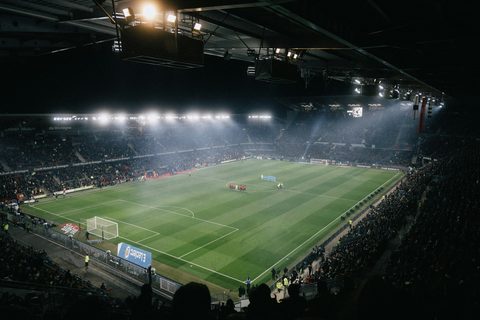
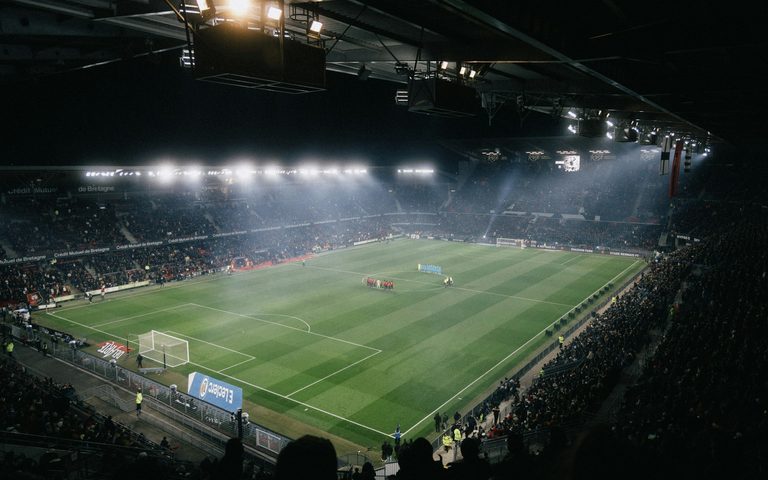
A luxury match day at the 2026 World Cup was built around the fixture itself: a private hospitality suite overlooking the halfway line, or premium and field-level seating, followed by the table after the final whistle. Between fixtures, the host city is explored privately, with seamless private transfers linking hotel, stadium and dinner. None of this access is sold publicly; it is arranged through relationships rather than ticket portals.
Moving between World Cup host cities in the United States, Mexico and Canada is handled privately: seamless private transfers on the ground and, for those following several matches across cities, private aviation. With the 2026 tournament spread over 16 host cities, from Mexico City's Estadio Azteca to MetLife Stadium in the New York/New Jersey area, the journey is designed around the specific matches you care about.
Although the 2026 World Cup has finished, access to the world's marquee sporting and cultural events is secured the same way it was for the knockout rounds and the 19 July final: months ahead and through relationships, not public ticket portals. The private suites, premium seating, finest luxury hotels and private transfers that defined the World Cup apply equally to other signature events.
Signature Events
See the collection →Tell a private advisor how you like to travel — no quotes, no obligation.
Speak With a Luxury Travel AdvisorA real person answers: an in-house luxury travel advisor, in English or Spanish. The first conversation is complimentary.