Naples, Privately: A Luxury Guide to Naples as a Base for Pompeii, Capri and the Amalfi Coast
Naples is the quieter, more characterful counterpart to Rome: a UNESCO-listed historic centre, Pompeii and Herculaneum at the foot of Vesuvius, and the islands and the Amalfi Coast within a boat ride. How to use it as a base, privately.
- The historic centre of Naples is a UNESCO World Heritage site, and Pompeii and Herculaneum were inscribed in 1997.
- Skift Research's State of Travel 2026 reports demand for Naples as an alternative to Rome up 25% year on year.
- Three nights in Naples covers the city, Pompeii and Herculaneum; add three or four on the Amalfi Coast or an island.
- The most rewarding months are late April to June and September to October.
- Private luxury trips to Italy start from US$10,000 per traveler; the planning fee is US$250 per itinerary.
The short answer
Yes, Naples is worth visiting instead of Rome, or alongside it, on a luxury trip to Italy. It offers a UNESCO-listed historic centre, one of the great collections of the ancient world, and Pompeii and Herculaneum within a short private drive. It is also the natural gateway to Capri, Ischia, Procida and the Amalfi Coast. Rome remains the capital of the Renaissance and the Vatican; Naples is denser, louder in its streets and quieter in its museums, with a character of its own. Three nights in the city, followed by three or four on the coast or an island, is the rhythm we recommend.
Why Naples, and why now
Travel is moving toward places that hold their own character without the crowds of the most famous names. Skift Research's State of Travel 2026, with data to December 2025, records demand shifting to quieter alternatives, with Naples up 25% year on year as an alternative to Rome. For our clients this is not about spending less. It is about seeing antiquity, Baroque art and the Bay of Naples with more room to breathe, and with a private guide who can open doors that a first visit rarely finds.
Naples also solves a practical question. Most travelers heading to the Amalfi Coast or Capri arrive through the city anyway, by private transfer from the airport or the station. Giving it two or three nights turns a transit point into one of the richest chapters of the trip.
The city, privately
The historic centre, founded by Greek settlers as Neapolis, is inscribed on the UNESCO World Heritage List. Its grid of narrow streets, churches and courtyards is best walked early in the morning with a private art historian, before the day's traffic fills it.
- The National Archaeological Museum (MANN). It holds the Farnese collection of classical sculpture, including the Farnese Hercules and the Farnese Bull, and the mosaics and frescoes recovered from Pompeii and Herculaneum, among them the Alexander Mosaic from the House of the Faun. Seeing it before Pompeii changes how you read the ruins.
- Cappella Sansevero. The chapel's centrepiece is the Veiled Christ, carved in 1753 by Giuseppe Sanmartino from a single block of marble, the shroud so fine it appears transparent. A timed, guided visit avoids the queue in the narrow street outside.
- The table. The art of the Neapolitan pizzaiuolo was inscribed on UNESCO's list of Intangible Cultural Heritage in 2017. Beyond pizza, the city's pastry shops, its fish markets and the mozzarella of the surrounding Campania countryside reward a private food walk with a local host.
Pompeii, Herculaneum and Vesuvius
Vesuvius buried Pompeii and Herculaneum in AD 79. The archaeological areas of Pompeii, Herculaneum and Torre Annunziata were inscribed together on the World Heritage List in 1997. Pompeii is the vast commercial town; Herculaneum is smaller and better preserved, with carbonised wood and upper storeys still standing. Visited with a private archaeologist at opening time, either site becomes far more than a walk among stones. Many of our clients do Herculaneum one morning and Pompeii another, rather than both in a single long day, and add the crater of Vesuvius when the weather is clear.
Capri, Ischia and Procida by private boat, and the Amalfi Coast
From Naples, the Bay opens in every direction. A private boat reaches Capri for a day of swimming in its coves, lunch above the sea and a return at sunset, without the ferry schedules. Ischia is known for its thermal gardens, and Procida, the smallest of the three, for its pastel harbour and fishing-village pace. For a longer stay at sea, a crewed yacht can link the islands with the Amalfi Coast; our guide to Capri and the coast by yacht and our notes on when to book a crewed yacht charter explain how.
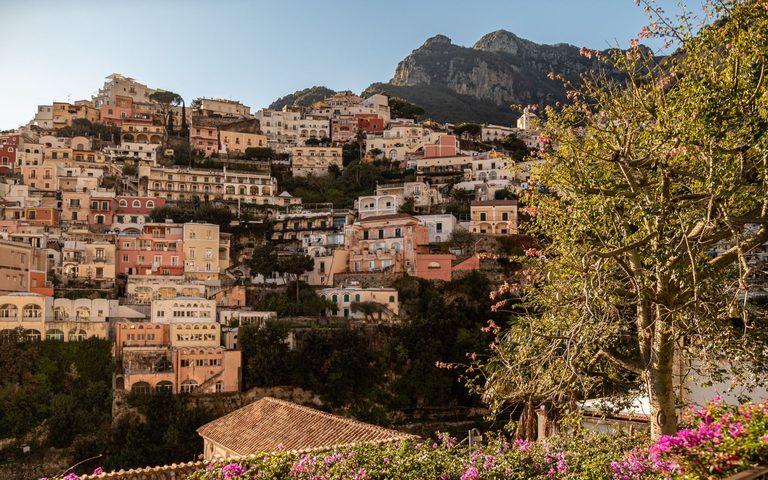
On land, the Amalfi Coast is reached by private car from Naples, and movement between Positano, Amalfi and Ravello is often easier by boat when the coastal road is congested. Our journey An Amalfi Summer shows how a week on the coast is paced.
When to go and how many nights
The most rewarding months are late April to June and September to October, when the sea is warm enough for the islands and the archaeological sites are comfortable to walk. July and August are hot and the islands are at their busiest. Naples itself is a year-round city, while many hotels on the Amalfi Coast and the islands close for the winter. Our month-by-month guide to the best time to visit Italy covers the rest of the country.
- Two nights: the historic centre, MANN and one archaeological site.
- Three nights: add Herculaneum or Pompeii on a separate morning and a private boat day to Capri.
- Six to eight nights: three in Naples, then three to five on the Amalfi Coast, Capri or Ischia.
Naples with Rome or the Amalfi Coast, and what it starts from
Naples and Rome are a little over an hour apart by high-speed train, so the two pair easily: Rome for the Vatican and the Forum, Naples for Pompeii, the museum and the Bay. The most natural sequence is Rome, then Naples, then the coast or an island, flying home from Naples or Rome. Our Italy guide shows how it extends to Florence, Tuscany or Puglia.
Private luxury trips to Italy start from US$10,000 per traveler, in double occupancy and before international flights, and a luxury summer in Italy runs from around US$1,500 per person per day. An Italy honeymoon starts from US$5,000 for two. Our breakdown of how much a luxury trip to Italy costs explains what moves the figure. Forest Travel's planning fee is US$250 per itinerary. To shape a journey around Naples, speak with an advisor.
Questions, answered.
Yes, Naples is worth visiting instead of Rome, or alongside it, if you want antiquity and Baroque art with a quieter pace. It offers a UNESCO-listed historic centre, the National Archaeological Museum, and Pompeii and Herculaneum within a short private drive, plus boat access to Capri and the Amalfi Coast. Rome remains essential for the Vatican and the Forum; the two are a little over an hour apart by high-speed train.
Three nights is the right length for Naples on a luxury trip. That allows a day for the historic centre and the National Archaeological Museum, a morning at Herculaneum or Pompeii with a private archaeologist, and a private boat day to Capri. Two nights covers the city and one archaeological site; with the Amalfi Coast or an island added, six to eight nights in the region works well.
Yes, Naples is a practical base for all three. Pompeii and Herculaneum are a short private drive away, Capri is reached by private boat across the Bay, and the Amalfi Coast is a private transfer by car. Most clients spend three nights in Naples for the city and the ruins, then move to the coast or an island for the rest of the stay rather than commuting back each day.
The most rewarding months are late April to June and September to October. The sea is warm enough for boat days to Capri and Ischia, and Pompeii and Herculaneum are comfortable to walk. July and August are hot and the islands are at their busiest. Naples stays open all year, but many hotels on the Amalfi Coast and the islands close for the winter.
If time allows, visit both, on separate mornings. Pompeii is the vast commercial town and shows the scale of Roman urban life; Herculaneum is smaller and better preserved, with carbonised wood and upper storeys still standing. With one morning only, Herculaneum is easier to absorb in a few hours. A private archaeologist at opening time makes either site far more legible.
Rome and Naples combine easily because the high-speed train between them takes a little over an hour. The usual sequence is three or four nights in Rome, then three in Naples, then the Amalfi Coast or an island, flying home from Naples or Rome. Your advisor arranges private transfers at each station so luggage and timing are handled for you.
Yes, the art of the Neapolitan pizzaiuolo was inscribed on UNESCO's Representative List of the Intangible Cultural Heritage of Humanity in 2017. The listing recognises the craft of the pizza maker, from preparing the dough to baking in a wood-fired oven. In Naples, a private food walk can pair a historic pizzeria with the city's pastry shops and markets.
Private luxury trips to Italy start from US$10,000 per traveler, in double occupancy and before international flights, and a luxury summer in Italy runs from around US$1,500 per person per day. The figure rises with a crewed yacht, private archaeologists and villa stays on the coast. Forest Travel's planning fee is US$250 per itinerary.
Italy
See the collection →Tell a private advisor how you like to travel — no quotes, no obligation.
Speak With a Luxury Travel AdvisorA real person answers: an in-house luxury travel advisor, in English or Spanish. The first conversation is complimentary.