A Chile & Patagonia Summer
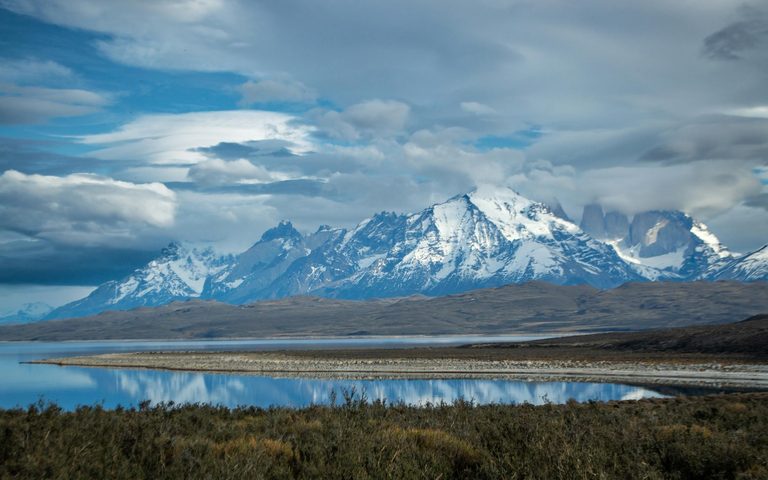
The southern hemisphere's high season from November to March — the Torres del Paine massif at its most accessible, the Grey Glacier actively calving, the condors riding the thermals above the valley, and the eighteen-hour summer light that means dinner outside until ten. A private, tailored journey of 7 Days · 6 Nights in Chile & Patagonia, Latin America, designed end to end by a Forest Travel advisor — with Virtuoso privileges at the finest luxury hotels, from US$9,800 per traveler.
- Ideal length: 7 Days · 6 Nights
- Best time: November to March, when the southern summer opens Patagonia's trails and long, luminous days lengthen every horizon.
- Private guiding, access and transfers throughout
- From US$9,800 per traveler — a starting point, tailored to you
- Designed one-to-one by a Forest Travel advisor
- Virtuoso privileges at the finest luxury hotels
The southern hemisphere's high season from November to March — the Torres del Paine massif at its most accessible, the Grey Glacier actively calving, the condors riding the thermals above the valley, and the eighteen-hour summer light that means dinner outside until ten. A private, tailored journey of 7 Days · 6 Nights in Chile & Patagonia, Latin America, designed end to end by a Forest Travel advisor — with Virtuoso privileges at the finest luxury hotels, from US$9,800 per traveler.
A continent of extremes, where Andean peaks, wine country and thundering waterfalls unfold with rare intimacy and unhurried grace.
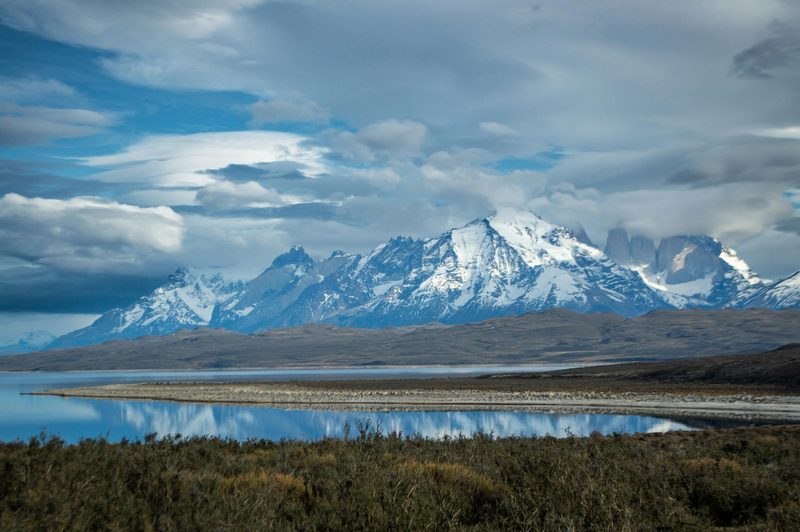
When to go
November to March, when the southern summer opens Patagonia's trails and long, luminous days lengthen every horizon. Your advisor times it to the light, the crowds and your own calendar.
The experiences
A sense of what this journey can hold — each one arranged privately and shaped to you:
- A privately arranged full-day traverse of the W Circuit's most dramatic segment — from Mirador Las Torres to the French Valley — timed for the long afternoon light and with a specialist naturalist guide who reads the condor thermals like weather.
- An exclusive ranger-accompanied approach to the Grey Glacier's active calving face by inflatable tender, close enough to hear the ice fracture, from November through February when the melt is at its peak.
- A private asado evening at an estancia in the Última Esperanza region, hosted by the fourth-generation family who still work the land, with pisco sourced from the Elqui Valley and lamb that has never left the property.
- A private puma-tracking session with a local wildlife biologist in the Torres del Paine buffer zone, where sightings during the November–February denning season are more consistent than at any other time of year.
A sense of the rhythm
Days here begin early — guanaco move at first light and the massif holds its clearest reflection before nine — but the eighteen-hour summer light means there is no pressure to rush. Afternoons open into long, unhurried stretches of hiking, lake crossings, or simply sitting with a glass of carménère while the granite towers change colour. Dinner outside at ten, still in natural light, is not a marketing line; it is simply what summer in Patagonia does.
How to do it well
The counsel our advisors give travelers planning this journey:
- Book internal flights between Santiago, Punta Arenas, and Balmaceda at least six months ahead — LAN and Sky fill solid by August for the December–February peak and rerouting in Patagonia is logistically costly.
- Request park entry permits through a licensed operator the moment your dates are confirmed; Torres del Paine operates a daily visitor cap and independent permits for the most sought-after sectors sell out weeks in advance.
- Pack for four seasons in a single afternoon: January highs can reach 18°C before a Patagonian wind cycle drops the apparent temperature by fifteen degrees within the hour — layering systems, not single heavy pieces, are what guides carry.
- If the Grey Glacier calving experience is a priority, position it mid-trip rather than at the end — weather windows in Patagonia are unpredictable and a buffer day gives your guide room to reschedule without sacrificing the activity.
What only your advisor can open
The difference between a good trip and an unrepeatable one is access — and access is a relationship, not a booking. Every guide, room and moment is chosen and sequenced for you.
Who it's for
Travelers who value privacy, time and doing it once — beautifully — and who would rather have one trusted advisor orchestrate every detail than assemble it themselves.
Estimated investment
From US$9,800 per traveler, based on double occupancy — scaled to your dates, party size and level of privacy. A starting point, not a final quote; confirmed once your advisor tailors the itinerary.
Designed entirely around you
Nothing here is a package. A Forest Travel advisor shapes the whole journey and stays one message away before and throughout your trip.
Your Virtuoso privileges
As a Virtuoso member, Forest Travel includes benefits reserved for Virtuoso guests at the finest luxury hotels, at no added cost: a room upgrade on arrival when available, daily breakfast for two, a property credit toward dining or spa, and early check-in with late check-out when the hotel allows.
Continue exploring Chile & Patagonia
Part of our Chile & Patagonia travel guide. Related private journeys:
Begin the conversation
Tell a Forest Travel advisor how you like to travel and they will design A Chile & Patagonia Summer around you — privately, every Virtuoso privilege included. Request your private consultation →
Questions, answered.
Puerto Natales gives you a genuine Patagonian town, excellent restaurants on Calle Bories, and the flexibility to choose each day's itinerary the morning of — it works well for travelers who want rhythm without rigidity. Staying inside the park boundary means every hour saved in transit is an hour on the trail or at the glacier, and sunrise from within the massif in January is difficult to overstate. We typically recommend a split: two nights near the park's interior for immersion, the remainder in Natales for comfort and variety. The decision turns on how much pure wilderness time you want versus how much you value a town at the end of the day.
Book internal flights between Santiago, Punta Arenas and Balmaceda at least six months ahead, because LAN and Sky fill solid by August for the December–February peak, and rerouting in Patagonia is logistically costly. Request park entry permits through a licensed operator as soon as your dates are confirmed. Torres del Paine operates a daily visitor cap, and independent permits for the most sought-after sectors sell out weeks in advance.
Pack for four seasons in a single afternoon. January highs can reach 18°C, then a Patagonian wind cycle can drop the apparent temperature by fifteen degrees within the hour. Guides carry layering systems rather than single heavy pieces, and that is the approach to follow. Layers let you stay comfortable on long hikes, lake crossings and dinners outside as the light lingers until ten.
Yes. This journey can include a private puma-tracking session with a local wildlife biologist in the Torres del Paine buffer zone. Sightings during the November–February denning season are more consistent than at any other time of year, so a summer trip gives you the best chance. Like every experience here, it is arranged privately and shaped around you.
A Chile & Patagonia Summer is designed as 7 Days · 6 Nights. Days begin early, when guanaco move at first light and the massif holds its clearest reflection before nine. The eighteen-hour summer light removes any need to rush, so afternoons open into long stretches of hiking, lake crossings or a glass of carménère while the granite towers change colour, with dinner outside at ten. Advisors typically suggest two nights near the park's interior and the rest in Puerto Natales. They also place the Grey Glacier outing mid-trip, so a buffer day absorbs Patagonia's unpredictable weather.
As a private, tailored journey it starts from roughly US$9,800 per traveler (double occupancy) and scales with your dates, party and level of privacy — a starting point, never a fixed package price. Your advisor confirms the figure once the itinerary is tailored.
November to March, the southern hemisphere's high season, when the summer opens Patagonia's trails and the Torres del Paine massif is at its most accessible. From November through February, the Grey Glacier's melt is at its peak and puma sightings are most consistent during the denning season. Eighteen hours of light allow dinner outside until ten, and sunrise from within the massif in January is difficult to overstate. December to February is the peak, so book internal flights at least six months ahead.
On A Chile & Patagonia Summer, the W Circuit day is a privately arranged full-day traverse of its most dramatic segment, from Mirador Las Torres to the French Valley. It is timed for the long afternoon light of the southern summer, and you walk with a specialist naturalist guide who reads the condor thermals like weather. The eighteen-hour daylight means there is no pressure to rush the trail.
In Torres del Paine, you can approach the Grey Glacier's active calving face by inflatable tender, close enough to hear the ice fracture. The outing is exclusive and ranger-accompanied, and it runs from November through February, when the melt is at its peak. Patagonia's weather windows are unpredictable, so advisors place it mid-trip rather than at the end, leaving a buffer day for your guide to reschedule without losing the experience.
The private asado is an evening at an estancia in Chile's Última Esperanza region, hosted by the fourth-generation family who still work the land. The lamb has never left the property, and the pisco is sourced from the Elqui Valley. With summer light lasting eighteen hours in Patagonia, dinner can stretch outside until ten, still in natural light.
Neither is better; they are two different Patagonias. Chile's Torres del Paine is the icon, with the granite towers, the Grey Glacier, turquoise lakes and the finest all-inclusive wilderness lodges, built for hiking. Argentina's side centres on El Calafate, for the Perito Moreno glacier, and El Chaltén, for Mount Fitz Roy, with estancia stays. Many travellers combine both across the border, which takes more days and a crossing your advisor coordinates.
Five to eight days does justice to Chilean Patagonia; this summer journey runs seven days and six nights. Add more if you want to combine Torres del Paine with the Argentine side, Santiago, the Atacama or the Lake District. Flights into Punta Arenas are remote and the weather is changeable, so routings are planned with buffers, and a few unhurried days in one place serve better than constant moving.
Latin America
See the collection →Tell a private advisor how you like to travel — no quotes, no obligation.
Speak With a Luxury Travel AdvisorA real person answers: an in-house luxury travel advisor, in English or Spanish. The first conversation is complimentary.