01
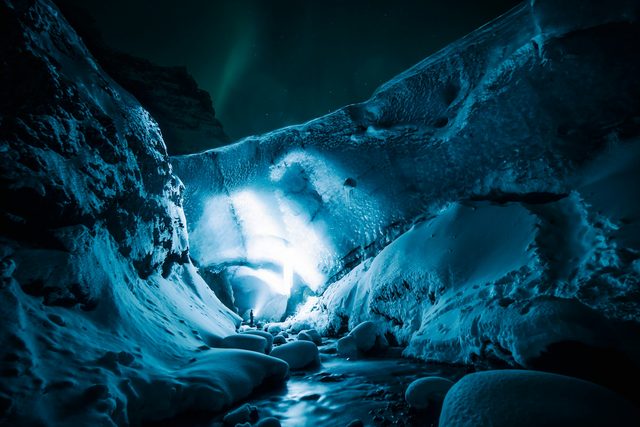
Inside a Blue Ice Cave
A private descent into a glacier's crystalline blue heart, led by an expert.
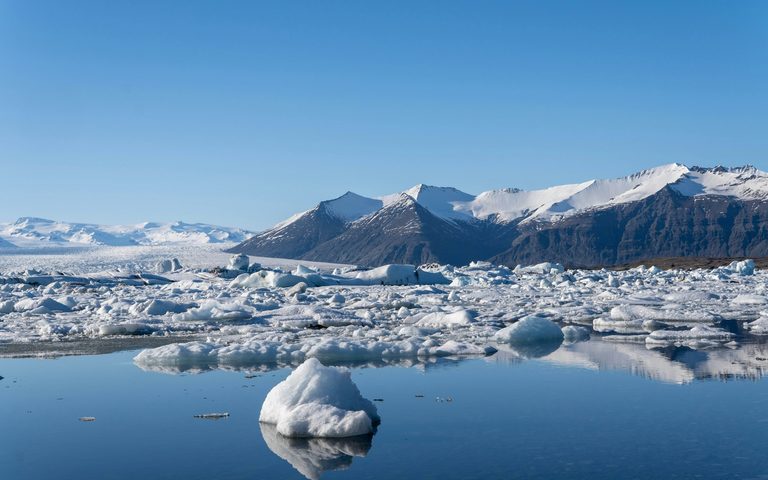
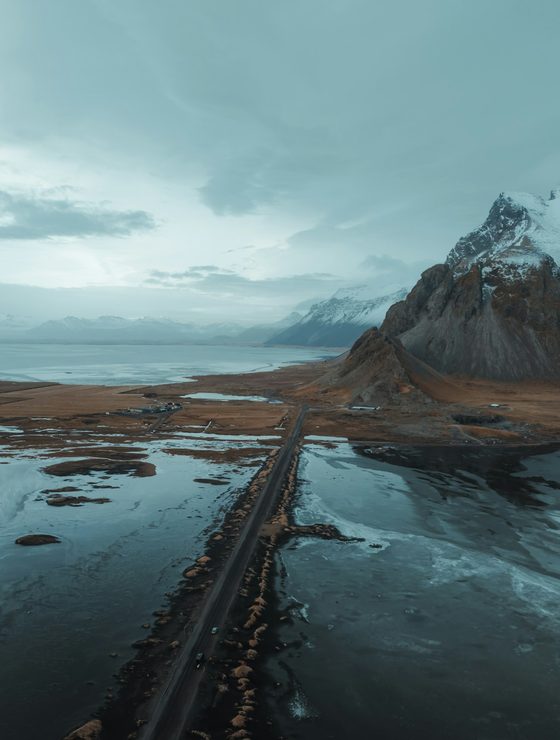
Black-sand shores, thundering falls, and a lagoon of drifting icebergs.
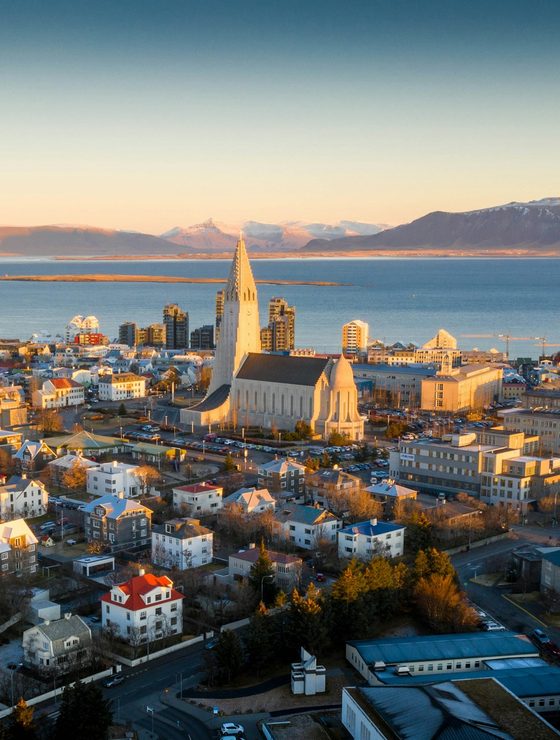
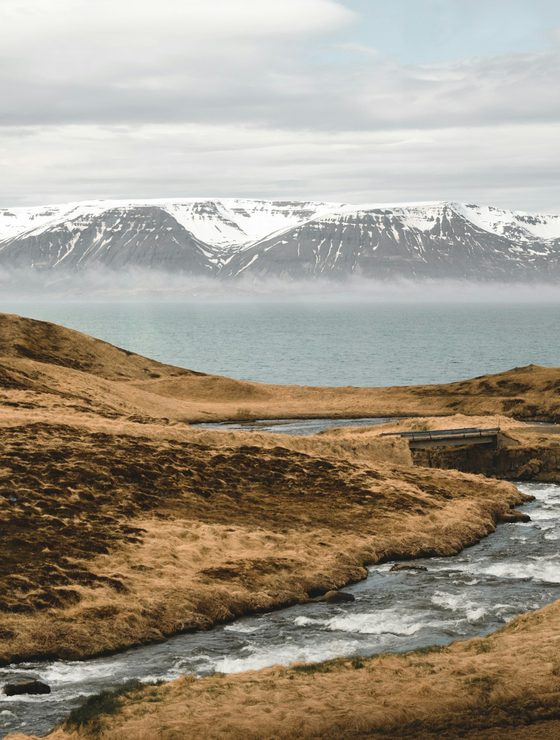
Iceland's south coast is its most cinematic stretch — waterfalls you can walk behind, glacier tongues meeting black beaches, and Jökulsárlón, where icebergs drift to the sea. We add what the road cannot: a private ice-cave descent, a glacier walk with a glaciologist, and a quiet evening at a coastal retreat.
A private descent into a glacier's crystalline blue heart, led by an expert.
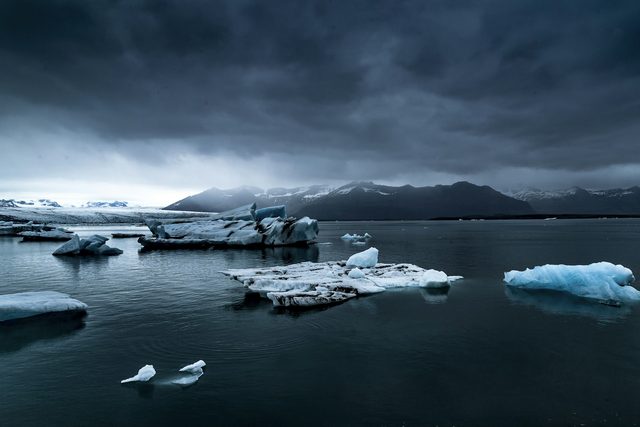
The iceberg lagoon to yourselves as the light goes amber and the seals surface.
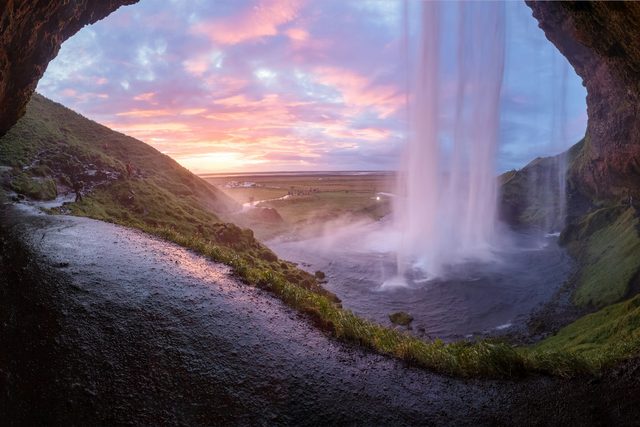
Stand behind the falling water, the South Coast laid out beyond.
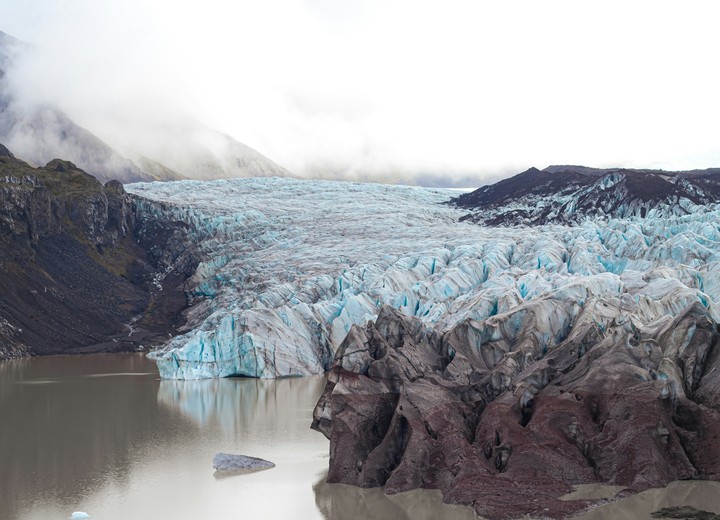
Glacier walks, ice caves and the lagoon, guided privately end to end.
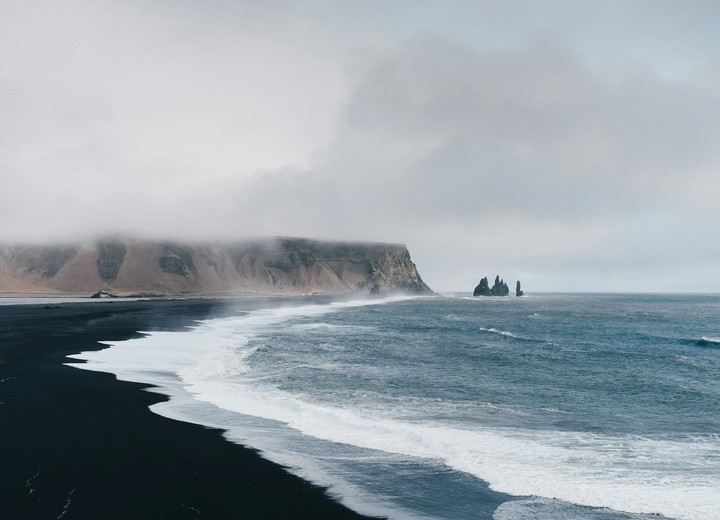
Reynisfjara, Vík and the waterfalls, at the pace of the light.
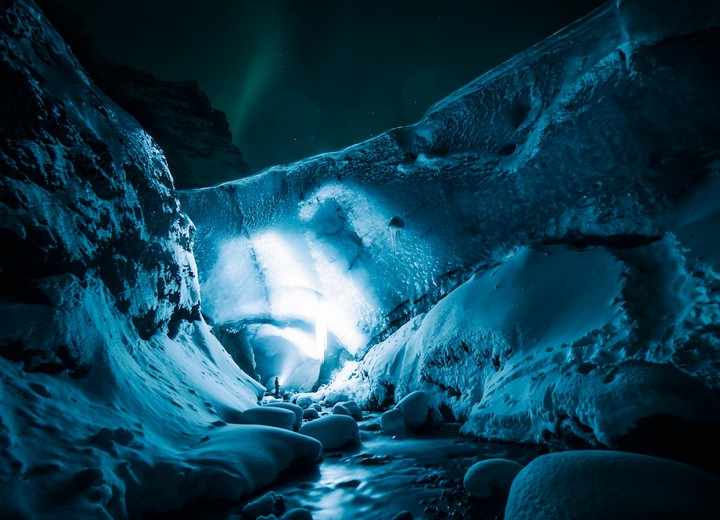
Northern lights from a glacier-edge lodge, far from any town.
Each a starting point — our advisors weave them into a single, seamless journey.
No. Natural ice caves on Iceland's south coast are a winter activity, roughly October to April. Inside Vatnajökull National Park, natural ice cave tours are banned in summer because the park's risk assessment found the formations unsafe from May through October, when meltwater raises the odds of roof collapse and flooding. Summer travellers are taken instead into the engineered tunnels at Katla or Langjökull, with a plain explanation that it is not the same thing.
Not well. Jökulsárlón is about 370 km from Reykjavík, roughly five hours each way with no stops, so it is not a day trip. Done properly, the south coast takes three or four nights moving east: Seljalandsfoss and Skógafoss, the black sand at Reynisfjara, Vík, then the glacier tongues and the lagoon. Sleeping at Hvolsvöllur, Vík and near Höfn turns six hours of driving a day into two.
Yes, Reynisfjara demands caution: the sea throws sneaker waves far up a beach that looks calm from the car park, and people have died there. On Iceland's south coast, wind rather than rain ruins a day, with gusts routinely closing stretches of Route 1 and tearing car doors off their hinges. Every day is planned in a reversible order, so a guide can run it east-to-west when the forecast turns.
East of Vík, where there is essentially no ground light and the glaciers give a foreground worth photographing. The aurora needs clear sky more than latitude, and south coast weather comes off the Atlantic in bands, so the useful question at dinner is which side of the front you can reach by midnight. The Aurora over the Glaciers journey spends three days at a glacier-edge lodge, far from any town.
Give the south coast three nights and put the rest into Reykjavík and the Golden Circle or, in high summer, the Highlands. The coast is a single long line of similar grandeur, waterfall, black beach, glacier, lagoon, and by day four some guests want a city or an interior instead. It also suits poorly anyone unhappy walking on ice, since glacier walks and ice caves are central to it.
The best time to visit Iceland's south coast depends on what you want to see. Natural ice caves are a winter activity, roughly October to April; inside Vatnajökull National Park they are closed from May through October because meltwater makes them unsafe. Summer travellers visit the engineered tunnels at Katla or Langjökull instead, and high summer is also when the Highlands become an option. For the aurora, what matters most is clear sky, so stay east of Vík.
Plan three or four nights on Iceland's south coast, moving east. Seljalandsfoss and Skógafoss come first, then the black sand at Reynisfjara and Vík, and finally the glacier tongues and Jökulsárlón. Jökulsárlón is about 370 km from Reykjavík, roughly five hours each way, so it is not a day trip. Sleeping at Hvolsvöllur, Vík and near Höfn cuts six hours of driving a day to two. The journeys run three days (Black-Sand Coast, Aurora over the Glaciers) or four (The Glacier Journey).
Yes. Forest Travel builds south coast journeys around what the road alone cannot offer. That includes a private descent into a blue ice cave led by an expert, a glacier walk with a glaciologist, and Jökulsárlón at dusk as the seals surface. The Glacier Journey is guided privately from start to finish. Every day is planned in a reversible order, so your guide can run it east-to-west when the forecast turns.
A private journey on Iceland's south coast starts from around US$2,050 per person per night. Done properly it is three or four nights moving east to Jökulsárlón, so three nights start from around US$6,150 per person. A private ice-cave descent, from November to March, and a glacier walk with a glaciologist move the figure; Iceland's lodging tax of ISK 800 per room per night sits on top, and the planning fee is US$250 per itinerary.
Every journey here is a starting point a private advisor reshapes entirely around you — your pace, your people, the The South Coast & Glaciers only you would recognise.
A real person answers: an in-house luxury travel advisor, in English or Spanish. The first conversation is complimentary.